
Last updated November 15, 2026
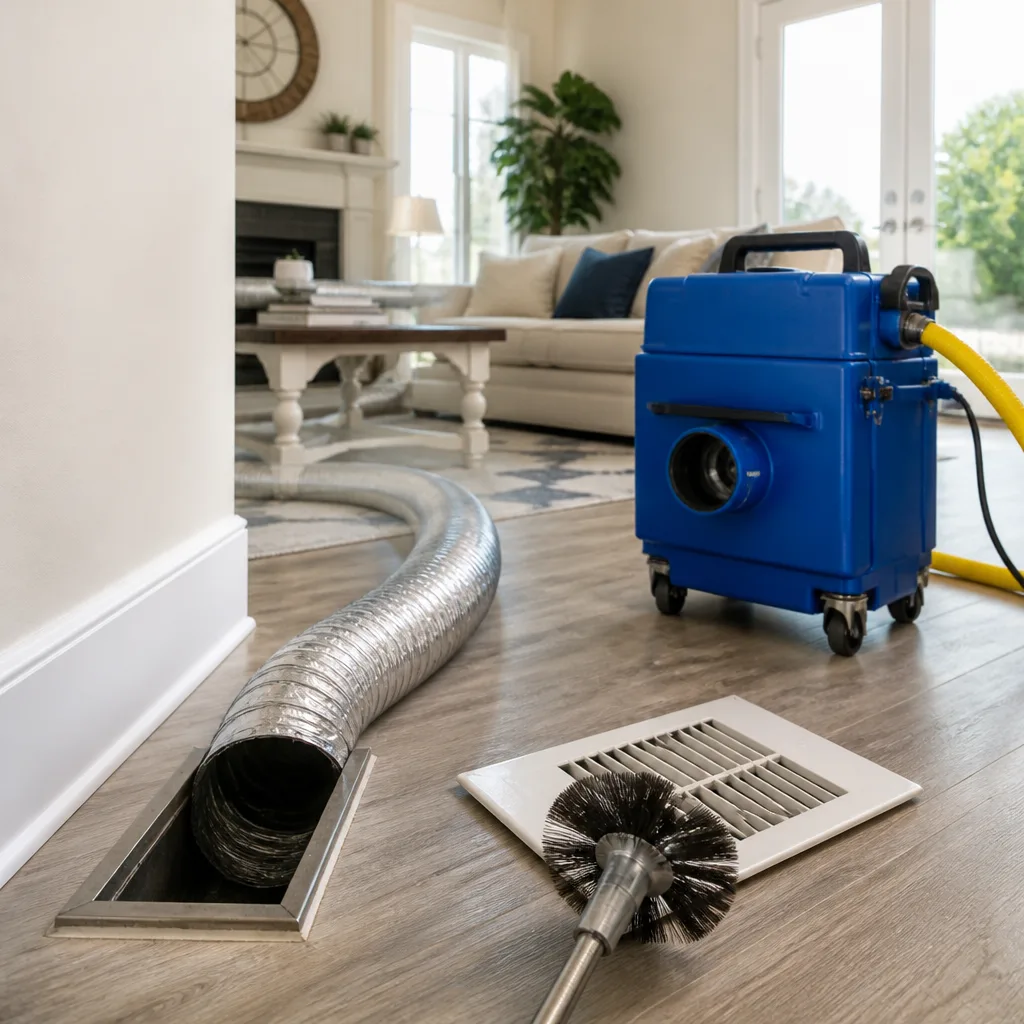 Whole-home duct cleaning
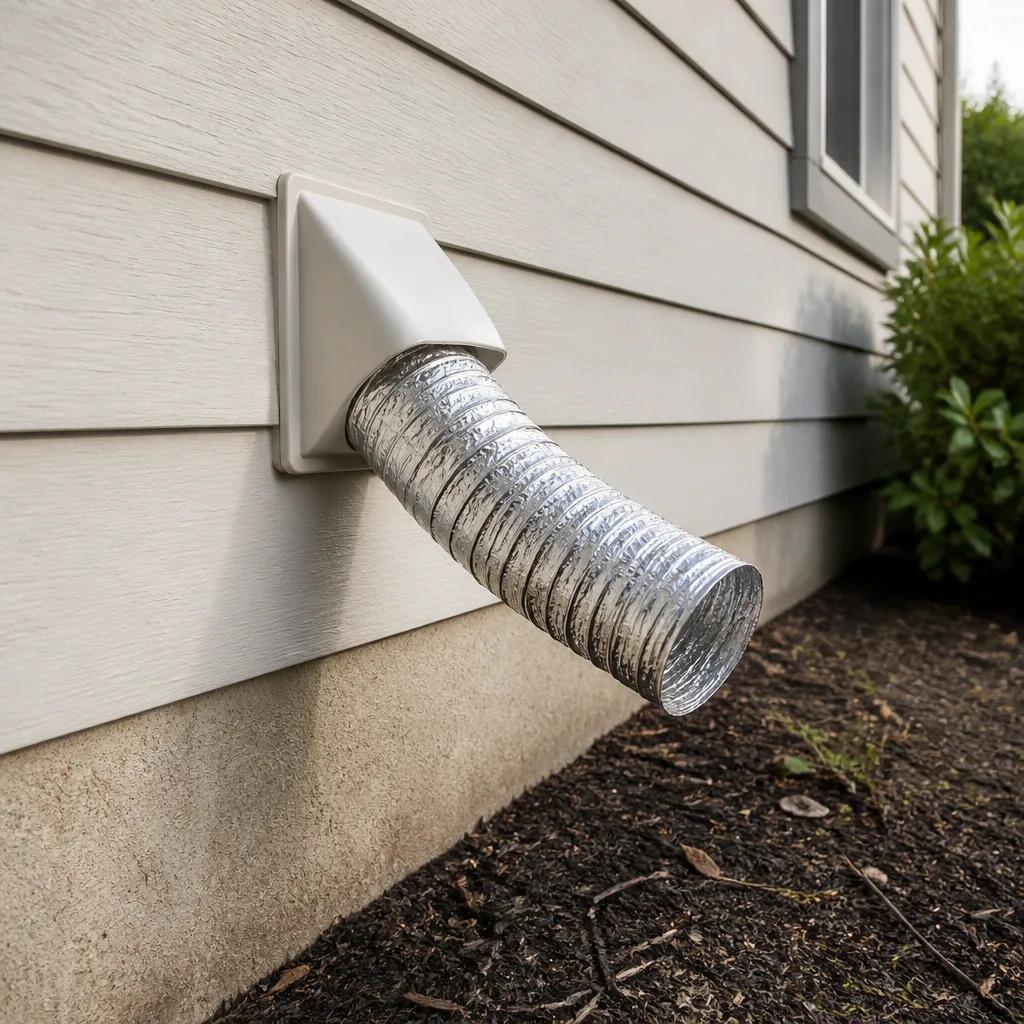 Dryer vent cleaning
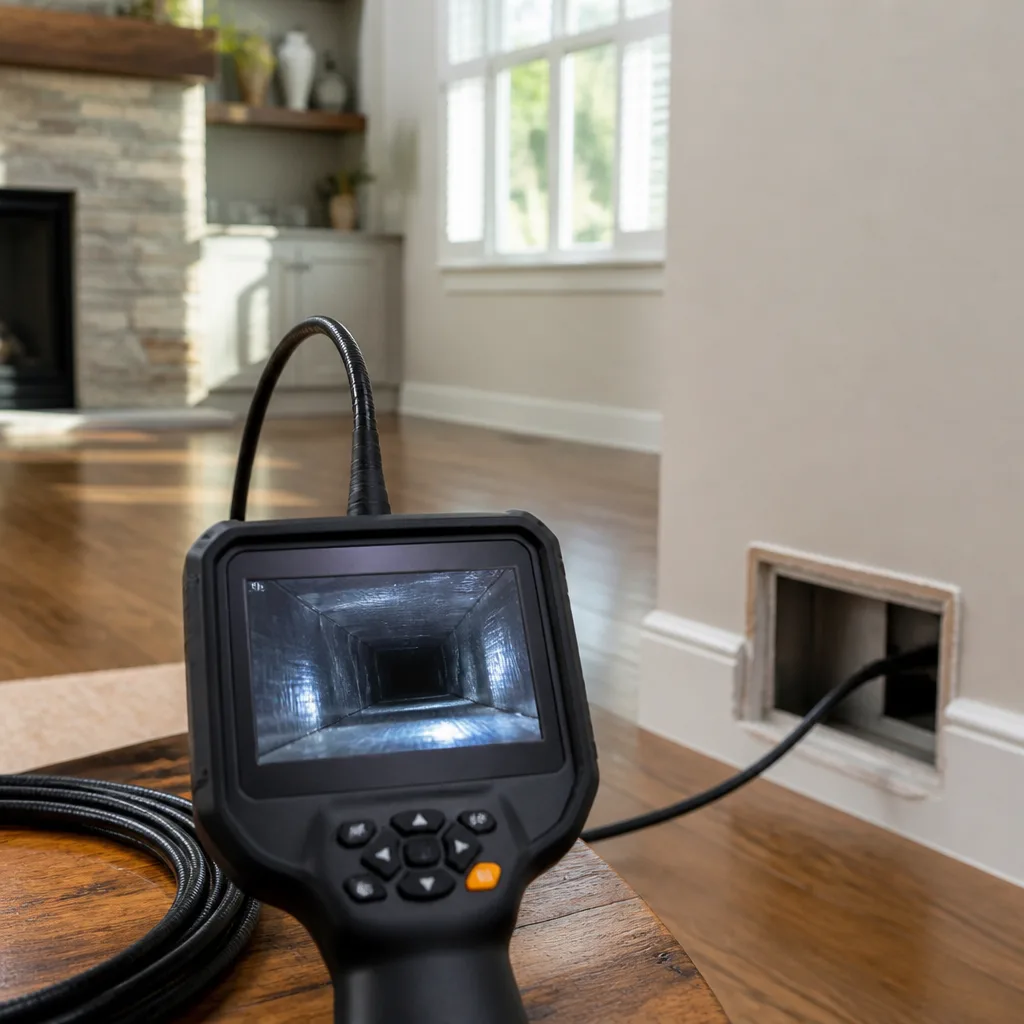 Camera inspection
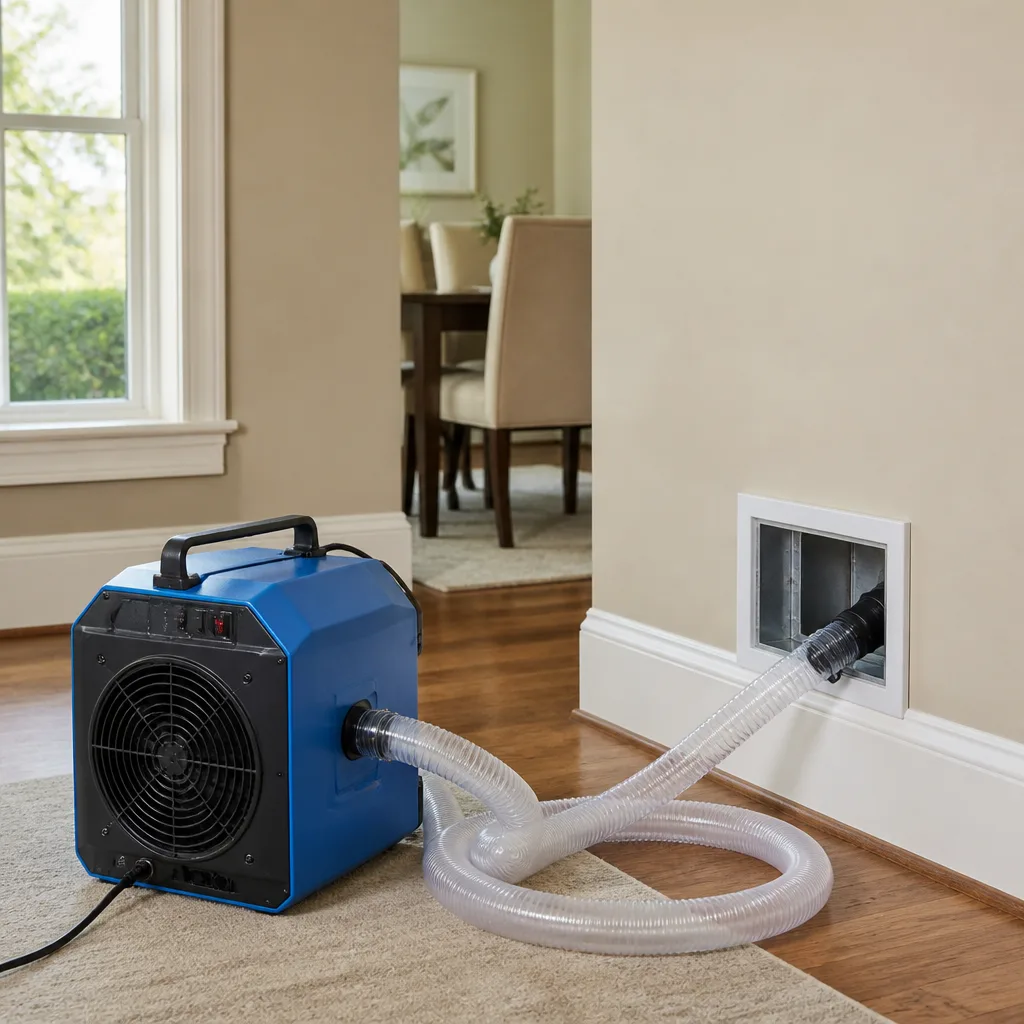 Sanitizing & deodorizing
Whole-system duct and dryer vent check with before-and-after photos - you see exactly what came out of your vents
That "$99 whole-house special" is a bait ad - the real number appears once they are in your hallway, or the "clean" is a shop-vac at the register. We photograph the inside of your ducts before and after instead.
Seasonal Air Duct Cleaning Care for Brandon: Year-Round Homeowner’s Guide
Most homeowners in Brandon schedule duct cleaning by temperature. The first cool morning of fall, the first hot afternoon of spring, and the phone comes out. That schedule misses the thing that actually stresses ductwork here. Brandon’s year is defined less by temperature than by the shift between dry and wet, and the wet months run roughly June through September, when the area takes in around 55 inches of rain a year, most of it concentrated in that window. During those months, attic humidity climbs, condensate systems run harder, and duct liner absorbs moisture it doesn’t absorb in February. This guide maps the four maintenance windows that fit Brandon’s real climate, what happens inside your ducts in each one, and which tasks are yours versus ours. You’ll finish knowing when to act and why that timing matters more than how often.
Styles & brands we work with
- Whole-home duct cleaning
- Dryer vent cleaning
- Camera inspection
- Sanitizing & deodorizing
Quick Answer
Duct cleaning in Brandon works best on a climate-driven schedule, not a calendar one: a pre-summer check in April before the rain arrives, a post-rainy-season cleaning in October after the wet months, a heavy-use inspection in January after the holidays, and an allergen-season assessment in March. The single most effective cleaning window is usually January through March, when dry air makes dust and debris easier to extract completely. Summer matters most for prevention, not cleaning.
Table of Contents
- Why Brandon’s Seasons Stress Ducts Differently
- The Four Maintenance Windows for Brandon Homes
- What Happens Inside Flex Duct During Wet Season
- Post-Storm Protocols: What to Check After a Tropical Event
- Dry Season Duct Behavior and the January-March Advantage
- Homeowner Tasks vs. Contractor Tasks, Season by Season
- What Professional Seasonal Cleaning Actually Involves
- Common Mistakes to Avoid
- When to Call a Professional
- Frequently Asked Questions
- The Bottom Line
Why Brandon’s Seasons Stress Ducts Differently
In a lot of the country, duct stress is a winter story: dry heated air, static, dust. Brandon isn’t that. Here the stress is moisture timing. Your conditioned air is cool and relatively dry. The attic above it is hot and humid for four months straight. Flex duct runs pass right through that attic, and the vapor pressure difference between the inside of the duct and the attic around it is what does the work. Moisture moves toward the drier side. Where the liner has a seam, a pinhole, or a fitting that wasn’t sealed tightly, that’s where it collects.
The practical result is that seasonal care here is about anticipating transitions, not reacting to them. There are really two transitions that matter:
- Dry to wet (roughly May into June): humidity climbs, condensation risk at liner seams rises, and any existing breach in the duct system gets worse because there’s more moisture looking for a way in.
- Wet to dry (roughly October): the humid season ends, but whatever moisture absorbed into the liner or collected at low points doesn’t evaporate overnight. This is the window where you want the system evaluated and cleaned.
Homeowners in Brandon neighborhoods like Bloomingdale, Providence, and Riverview-adjacent subdivisions tend to think in terms of “spring cleaning,” which lands in the wrong window. Spring cleaning here is April, and April is a startup check, not a deep extraction. The deep extraction wants to happen just after the wet season ends. That’s a small change in timing with a large change in outcome. Our Duct Cleaning Brandon technicians see the difference between systems that get cleaned in the right window and systems that get cleaned whenever the coupon arrives. The right-window systems hold their cleanliness longer.
One more thing worth saying plainly: this is not about temperature fluctuations. Brandon’s winters are mild, and the heating side of the system gets far less work than the cooling side. That changes the pattern of where dust accumulates. The return side and the supply runs closest to the air handler carry most of the load here, and that’s where a seasonal check should focus.
The Four Maintenance Windows for Brandon Homes
Four windows, one for each transition in the year. Here’s the schedule we recommend to Brandon homeowners and property managers, and the reasoning behind each.
- April: Pre-summer startup. Before the wet season begins, you want the system inspected for existing breaches, loose fittings, and any dampness that shouldn’t be there. This is a check, not necessarily a cleaning. The goal is to close gaps before the humid months find them. April is also when you want your filter situation sorted out for the cooling season.
- October: Post-rainy-season cleaning. Once the wet months end, this is the highest-value cleaning window of the year. Any debris that came in, any moisture that collected, any liner that absorbed humidity over the summer gets addressed before it becomes a source of odors or contamination. This is the one cleaning most Brandon homes should not skip.
- January: Post-holiday heavy-use check. The holidays mean more people in the house, more cooking, more closed windows, more filter loading. A January check confirms the system weathered the heavy-use stretch and that the filter and return are holding up.
- March: Spring allergen-season assessment. Pollen season in this part of Florida is real, and a system that’s pulling outdoor air through a compromised filter or duct breach will carry that pollen into the living space. March is when you want to verify filtration integrity, particularly if anyone in the house has allergies.
These windows aren’t rigid. A property manager turning over a unit in July still needs the work done in July. But if you have the flexibility, schedule the deep cleaning for October and the inspection tasks for April. In our experience, that’s the pattern that produces the fewest surprises. If you’re working through a first deep clean, start with our guide to air duct cleaning and then come back to the seasonal timing.
What Happens Inside Flex Duct During Wet Season
During June through September, the vapor pressure differential between conditioned air inside the duct and unconditioned attic air outside it is at its yearly peak. Moisture moves from the humid attic side toward the drier duct interior wherever the duct envelope is imperfect. Flex duct is a layered product: an inner liner, a layer of insulation, and an outer jacket. Moisture that gets past the outer jacket and into the insulation layer degrades the insulation’s ability to do its job, and moisture that reaches the inner liner can support biological growth on the liner surface.
The places to watch are:
- Liner seams: where the inner liner is joined or repaired, any gap is a moisture path.
- Fittings and collars: the joints between flex runs and rigid boots or the air handler plenum.
- Sagging runs: a flex duct that sags creates a low point where condensate can pool instead of draining or evaporating.
- Return-side runs through unconditioned space: return air is often warmer and more humid than supply air, so the vapor pressure gradient is different there and the risk profile is different.
You can’t see most of this from the register. A camera or a physical inspection of the attic runs is how it gets caught. This is also why we deploy Abatement Technologies negative-air and containment equipment during wet-season work. Dislodged debris and any disturbed material gets captured rather than redistributed into the living space. That matters more during the humid months when the material being moved may have moisture in it.
Signs of a wet-season duct problem
- Musty or earthy smell that shows up on the first cool morning after a humid stretch.
- Visible condensation on grilles or on the air handler cabinet.
- Condensate drain running constantly with no corresponding humidity relief.
- Increased dust at registers despite new filters.
Any of these suggesting a wet-season problem is a reason to get the system inspected before the dry season arrives, not after.
Post-Storm Protocols: What to Check After a Tropical Event
Tropical events in this region can move ductwork without breaking anything you’d notice from the thermostat. The two things we check first after a storm are pressure and infiltration.
Pressure loss from displaced flex runs. Flex duct is flexible. A run that’s been knocked loose, kinked, or disconnected from a boot will still allow air through, but at the wrong pressure. The room served by that run gets less conditioned air, and the system as a whole runs longer to compensate. If one or two rooms in your house suddenly feel off after a storm, a displaced run is one of the first things to rule out. A technician checking static pressure and airflow at the registers can confirm it quickly.
Debris infiltration through exterior vents. Storm-driven debris, leaves, and water can find their way in through exterior vent terminations and any compromised outdoor air intake. This is not a case for opening panels and looking around. It’s a case for a professional inspection with proper containment. The critical safety point: unless you’re trained and equipped, don’t detach flex runs or go into the air handler cabinet to “check.” You can create the exact problem you’re trying to fix, and you can put yourself in contact with electrical components or refrigerant lines.
After any tropical event that affected your area, the post-storm checklist looks like this:
- Check filters and replace if they’re visibly loaded or damp.
- Note any rooms with noticeably reduced airflow or unusual odors.
- Look for visible water intrusion at the air handler and at register grilles.
- Schedule an inspection if any of the above is positive, or if the storm was severe enough that you’re uncertain.
- Hold off on running the system continuously if you suspect water intrusion into the ducts; a damp system running for days is worse than a system that’s been checked first.
We’re familiar with Honeywell and Aprilaire air-quality equipment, so if your post-storm check involves a filtration or humidity-control component, technicians can work around it without risking damage to the equipment.
Dry Season Duct Behavior and the January-March Advantage
Here’s the counterintuitive part of seasonal duct care in Brandon: the dry months are the best months to actually clean. When humidity drops from January through March, the behavior of particulate inside the duct changes. Dust and debris settle rather than clinging to liner surfaces, and the extraction process is more complete because the material moves freely instead of sticking to damp surfaces.
This is why we tell Brandon homeowners to schedule the annual deep cleaning in the January-March window when the schedule allows it, and to use October as the recovery cleaning after a hard wet season. The two serve different purposes:
- October cleaning is about resetting the system after the humid months: removing anything that came in, addressing moisture-affected material, and starting the dry season from a clean baseline.
- January-March cleaning is about maximum extraction efficiency: the dry air makes the work more effective, and it’s also when allergen-season assessment fits naturally.
If you’re only going to schedule one cleaning a year, schedule it in the dry window and use a visual inspection in October to confirm the system came through the wet season without a problem. If you have allergies in the household or you’ve just done a renovation, the dry window is even more important because the volume of material to extract is higher and you want the most efficient conditions to extract it in. Our Brandon service page covers what a full-system cleaning involves when we get to that point.
One thing to be clear about: dry season does not mean dust stops. It means dust behaves differently. Reduced humidity makes it easier to move and capture, but it also means dust that’s already in the system can get stirred up more easily by air movement. That’s another reason to clean in the dry window rather than just letting the system run through it.
Homeowner Tasks vs. Contractor Tasks, Season by Season
There’s a real line between what you should do yourself and what you shouldn’t, and it’s not drawn to make you call. It’s drawn because improper DIY access to ductwork can damage the liner and can void equipment warranties. Here’s the division we recommend in Brandon, season by season.
Homeowner tasks
- Filter changes (year-round): know your filter schedule and stick to it. During the wet months, check filters more often because humidity and particulate load are higher.
- Register and grille cleaning (April and October): remove grilles where removable, wash, and reinstall. This is safe and it helps.
- Visual checks (after any storm, and in October): look at what you can see. Odors, condensation, damp spots, obvious air-flow problems. Report these to a technician rather than trying to fix them.
- Condensate drain observation (summer): confirm the drain line is moving water and isn’t visibly clogged or backed up. Don’t disassemble the drain line.
- Humidity awareness (June-September): if your indoor humidity is consistently high, that’s information for a technician, not a DIY project.
Contractor tasks
- Any access to flex duct runs or the air handler cabinet. Detaching runs, opening panels, and inspecting internal duct surfaces requires proper tools, containment, and knowledge of what’s inside the cabinet besides ducts.
- Full-system cleaning in the October and January-March windows. Professional-grade equipment matters here. Consumer and shop-vac equipment doesn’t agitate the liner the way a rotary brush does, and it doesn’t capture the way a HEPA-filtered vacuum does.
- Duct repair. A breach in the duct envelope is a repair job. Cleaning a duct that has a breach just means re-contaminating it. Our air duct cleaning service includes identifying and addressing these, and duct repair is available as its own service when the problem is structural.
- Dryer vent inspection and cleaning. Lint buildup in a dryer vent is a recognized fire hazard, and it’s a job for a specialist. This isn’t a seasonal task in the same way, but check it at the same time as your April seasonal check. Our dryer vent cleaning service is part of the same call.
If you’re not sure whether something is a homeowner task or a contractor task, that’s a good sign it’s a contractor task. Call and ask.
What Professional Seasonal Cleaning Actually Involves
The difference between a professional seasonal cleaning and a generic one comes down to three things: agitation, capture, and containment. If a service can’t describe all three, they’re not doing the job you’re paying for.
Agitation. Dust in ductwork doesn’t come out on its own. It has to be mechanically disturbed off the liner surface. We use Rotobrush and Nikro professional duct cleaning systems, which are purpose-built for this. The Rotobrush rotary brush system agitates and extracts simultaneously; the Nikro HEPA-filtered vacuum ensures particulates are captured at the source rather than vented back into living spaces. These are the same systems commercial IAQ contractors use. A shop vac is not the same tool and doesn’t do the same job.
Capture. Everything agitated has to go somewhere. HEPA filtration at the vacuum is what keeps the material from coming back out through the system or into the room. This is where consumer equipment fails, and it’s where the air quality of your home during the cleaning depends on the equipment choice.
Containment. Negative air pressure, using Abatement Technologies equipment, is what keeps the work area and the rest of the house from getting cross-contaminated. This is industry best practice, and it’s especially important during wet-season work when the material being moved may have higher moisture content.
A few other things that come up during a seasonal visit:
- Honeywell and Aprilaire systems in the home get checked for condition and compatibility with the cleaning process. We clean around them and can advise on their condition, but we don’t service them as a separate trade.
- Guardsman registers and grilles are commonly found in Brandon homes; we work with them and note condition where relevant.
- If we find a duct breach during a cleaning, we identify it and discuss repair as a next step. Cleaning over a breach is a waste of the cleaning.
Our technicians have up to 14 years of experience, and the seasonal differences above are the kind of thing that experience is for. It’s not that we know a secret. It’s that we’ve seen enough systems in enough seasons to know when the work will hold and when it won’t.
Common Mistakes to Avoid
- Cleaning only in spring. Spring cleaning is the default instinct, but April is a startup check window here. The deep, high-value cleaning belongs in October and January-March when conditions favor extraction and the wet season has passed.
- Ignoring the October recovery. A system that went through a wet season untouched and then went straight into another one is accumulating moisture and debris with no reset. The October cleaning is the reset. Skipping it means you’re carrying the wet season forward.
- Cleaning a system with a known duct breach. If the duct envelope is already compromised, cleaning it just re-contaminates a freshly cleaned system. Repair first, then clean. That’s why duct repair is a service we offer separately and often recommend before a cleaning.
- Assuming mild winters mean the heating side doesn’t need attention. Brandon winters are mild, but the heating season still pushes dust through the system, and the return side still accumulates. A seasonal check should look at both sides of the system.
- DIY access to flex duct runs. Detaching runs, opening the air handler cabinet, or reaching into ductwork to look around risks damaging the liner, creating a breach, and coming into contact with equipment you shouldn’t be handling. This is the task to leave to a trained technician.
- Skipping dryer vent cleaning in the seasonal routine. It’s easy to think of dryer vents as separate from your air quality routine. Lint buildup is a fire hazard, and it’s worth checking at the same time as your spring and fall duct checks.
- Using a shop vac or consumer kit for a “quick clean.” These don’t agitate or capture at the level professional systems do. The result is dust redistributed rather than removed, and a liner that may get damaged in the process.
When to Call a Professional
Call a professional if any of the following is true: you’ve just bought a home and don’t know the service history of the ducts; you’ve recently completed a renovation or construction project; you’ve had a storm event and noticed reduced airflow or new odors; you’re seeing musty smells that come and go with the weather; anyone in the house has allergies and you suspect the system; you’re past the October window and haven’t done a post-wet-season cleaning; or you have a known duct breach and want it repaired before cleaning. Duct Cleaning Brandon offers free estimates in Brandon. Call (844) 834-1263. We answer 24/7. Fast dispatch from 7am to 7pm, Sunday through Friday.
Frequently Asked Questions
Once a year is the right cadence for most Brandon homes, and the timing matters more than the frequency. Schedule the once-a-year cleaning in the October post-wet-season window or the January-March dry window, and use the other window for an inspection. Homes with pets, allergies, recent renovation, or heavy occupancy may need more frequent attention. Call (844) 834-1263 for an exact assessment; estimates are free.
Yes, for cleaning. April is the right month for a startup check – confirming the system is sealed up before the wet season. October is the right month for the deep cleaning that resets the system after the humid months. The reason is simple: you want to clean after the season that adds moisture and debris, not before it. Call (844) 834-1263 to schedule either window; estimates are free.
Check your filters, look for reduced airflow in any rooms, and note any new odors or visible water at the air handler or registers. If you find any of these, schedule an inspection. Don’t detach flex runs or open the air handler cabinet yourself. Displaced runs and debris infiltration need a proper inspection with containment equipment. Call (844) 834-1263 to book one; estimates are free.
You can handle the homeowner tasks: filter changes, register cleaning, and visual checks. Professional cleaning is a different job because it requires agitation with a rotary brush system and HEPA-filtered capture, and DIY access to flex runs risks liner damage and equipment warranty issues. Call (844) 834-1263 to discuss what your system needs; estimates are free.
We use Rotobrush and Nikro systems for agitation and capture, and Abatement Technologies negative-air equipment for containment. It matters because consumer and shop-vac equipment doesn’t move dust off the liner the way a rotary brush does, and it doesn’t capture particulate the way a HEPA vacuum does. The result is a cleaner system and a cleaner job. Call (844) 834-1263 with questions; estimates are free.
Yes. Duct repair is a standalone service. We identify breaches during cleaning and can repair them so you don’t re-contaminate a freshly cleaned system. Repair is often the right first step before a cleaning when the duct envelope is compromised. Call (844) 834-1263 to discuss your situation; estimates are free.
The Bottom Line
Seasonal duct care in Brandon is about transition timing. The wet months from June through September create condensation and moisture stress that a spring cleaning schedule never addresses. The right pattern is a startup check in April, a post-wet-season reset in October, a heavy-use check in January, and an allergen assessment in March – with the deep extraction happening in the dry months when it’s most effective. Keep the homeowner tasks to filters, registers, and visual checks. Leave agitation, capture, containment, and repair to a technician. Duct Cleaning Brandon covers all three services – cleaning, dryer vent, and duct repair – so one call handles the routine and the repair together. If you’re unsure which window you’re in or what your system needs, call (844) 834-1263 for a free estimate.
Written by the team at Duct Cleaning Brandon.
See the difference
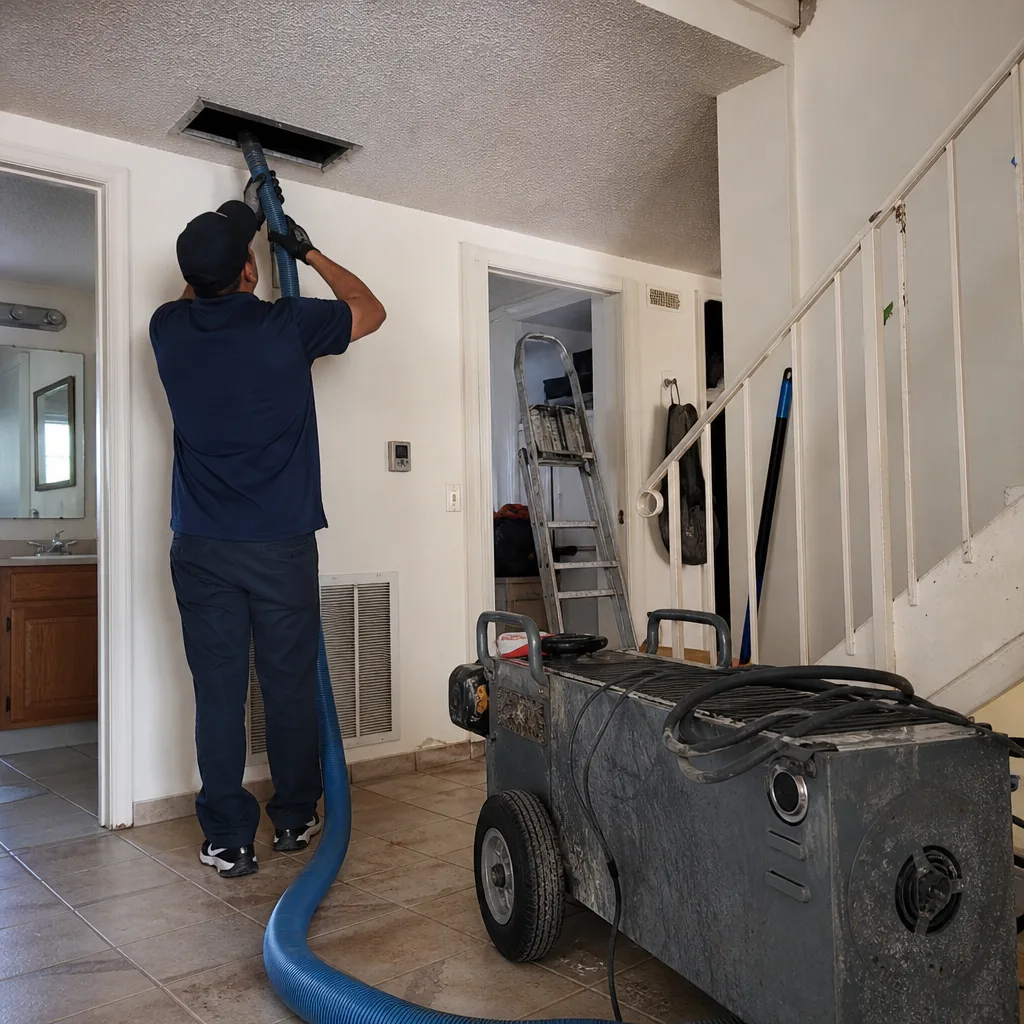 Before
 After
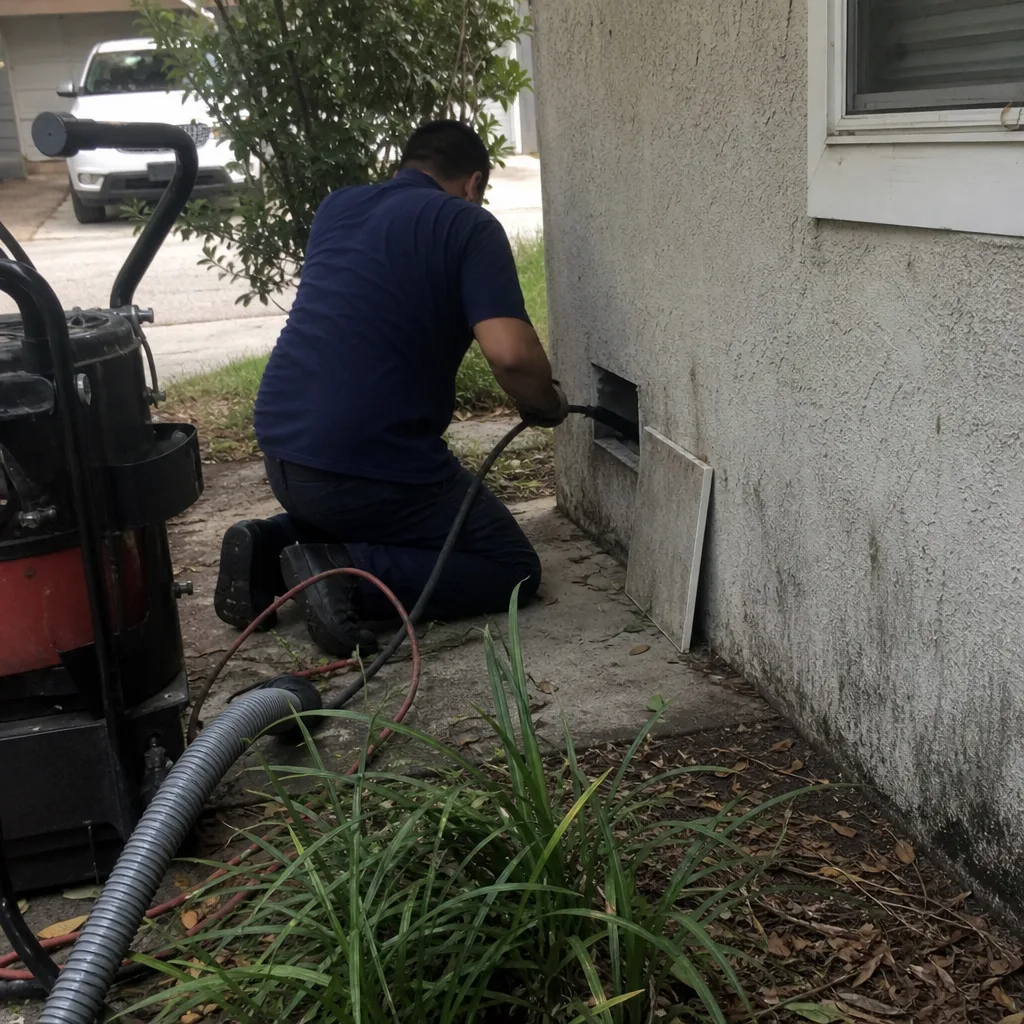 Before
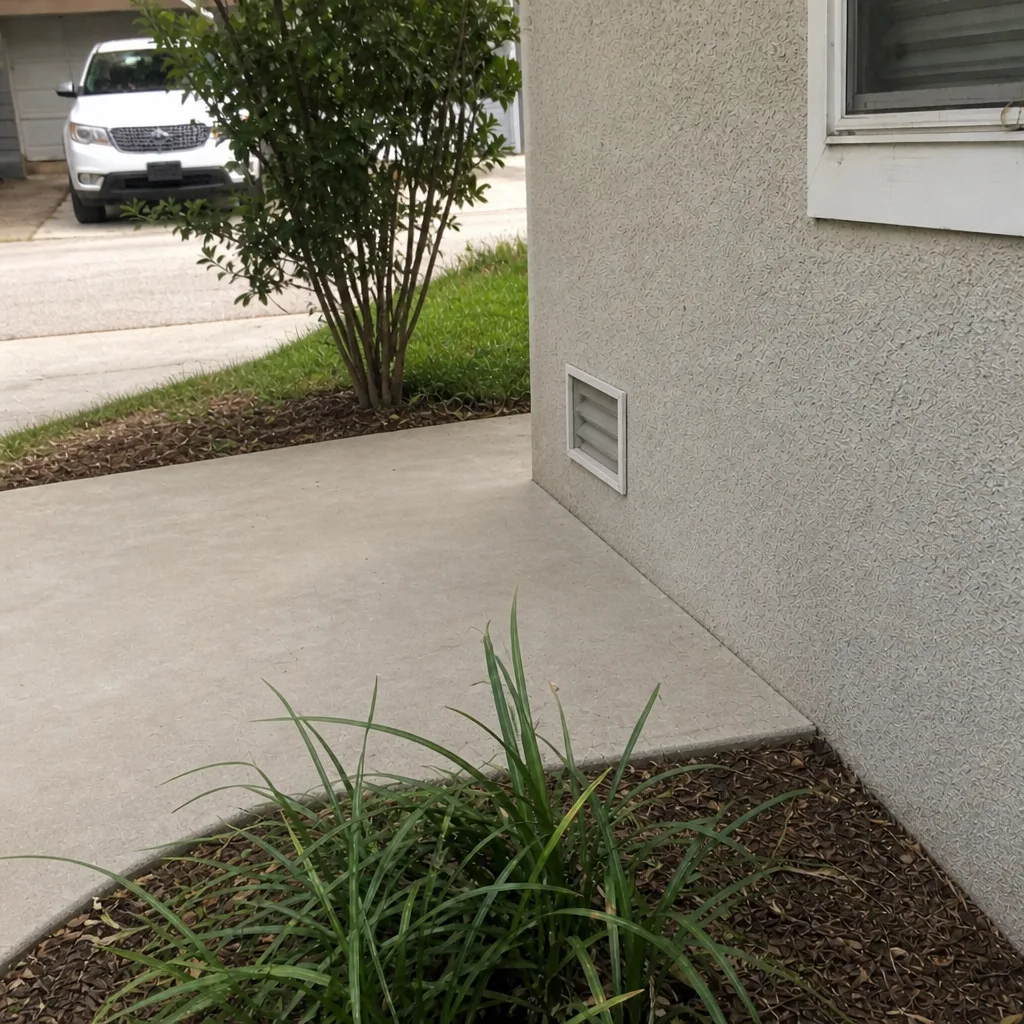 After
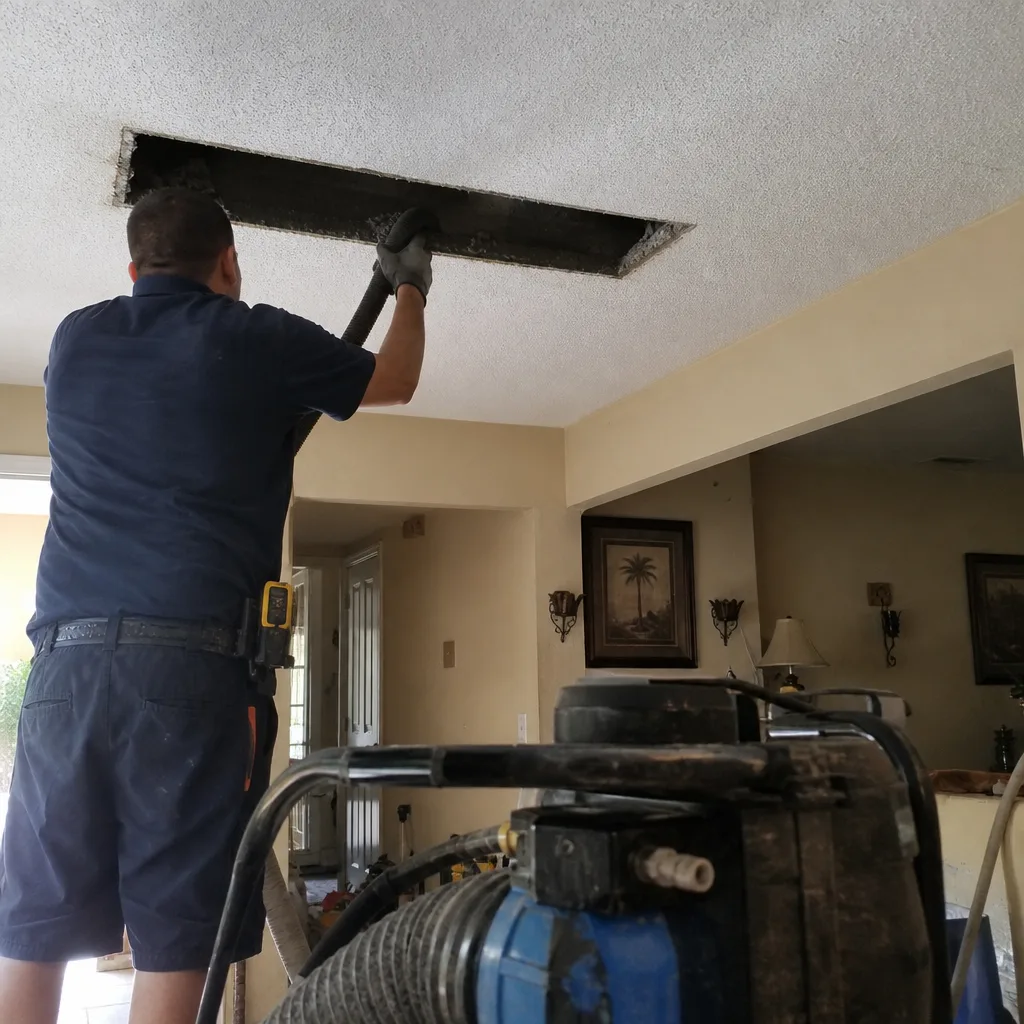 Before
 After