
Last updated November 15, 2026
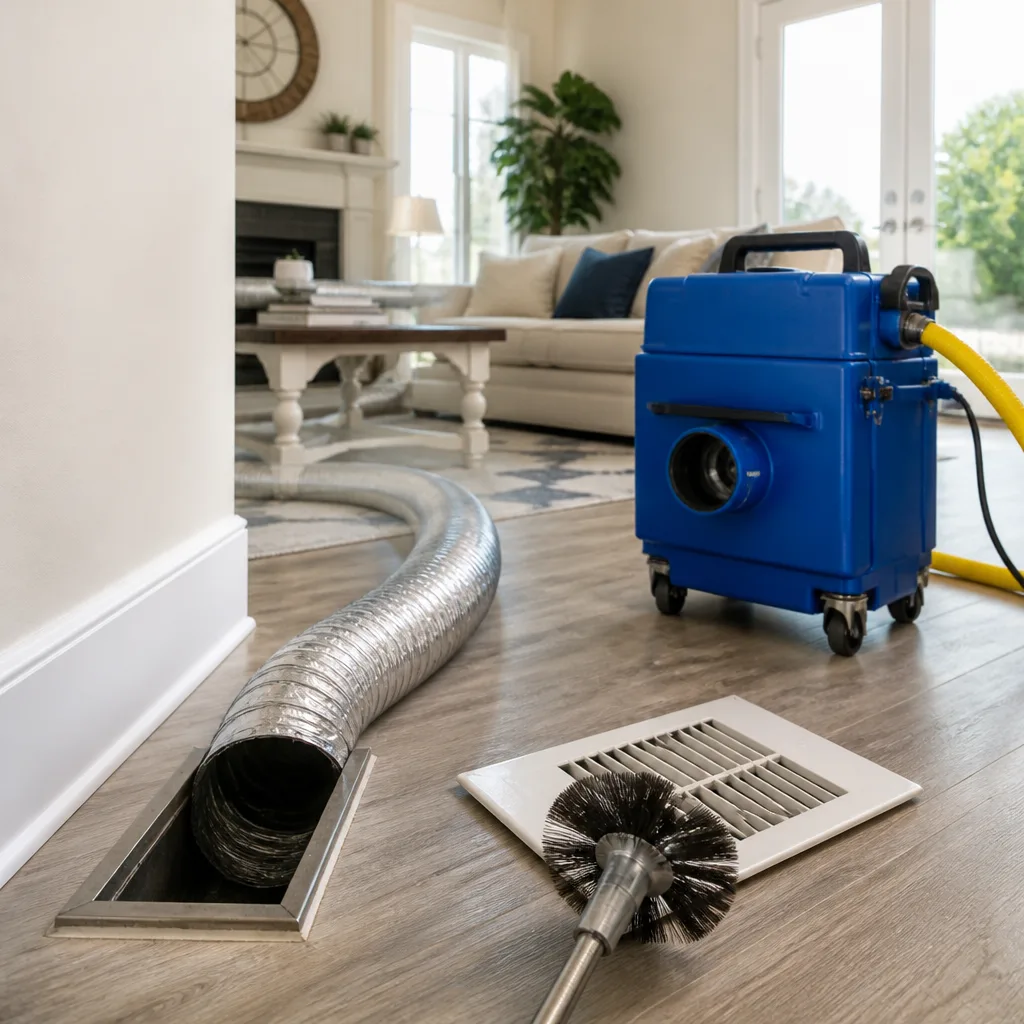 Whole-home duct cleaning
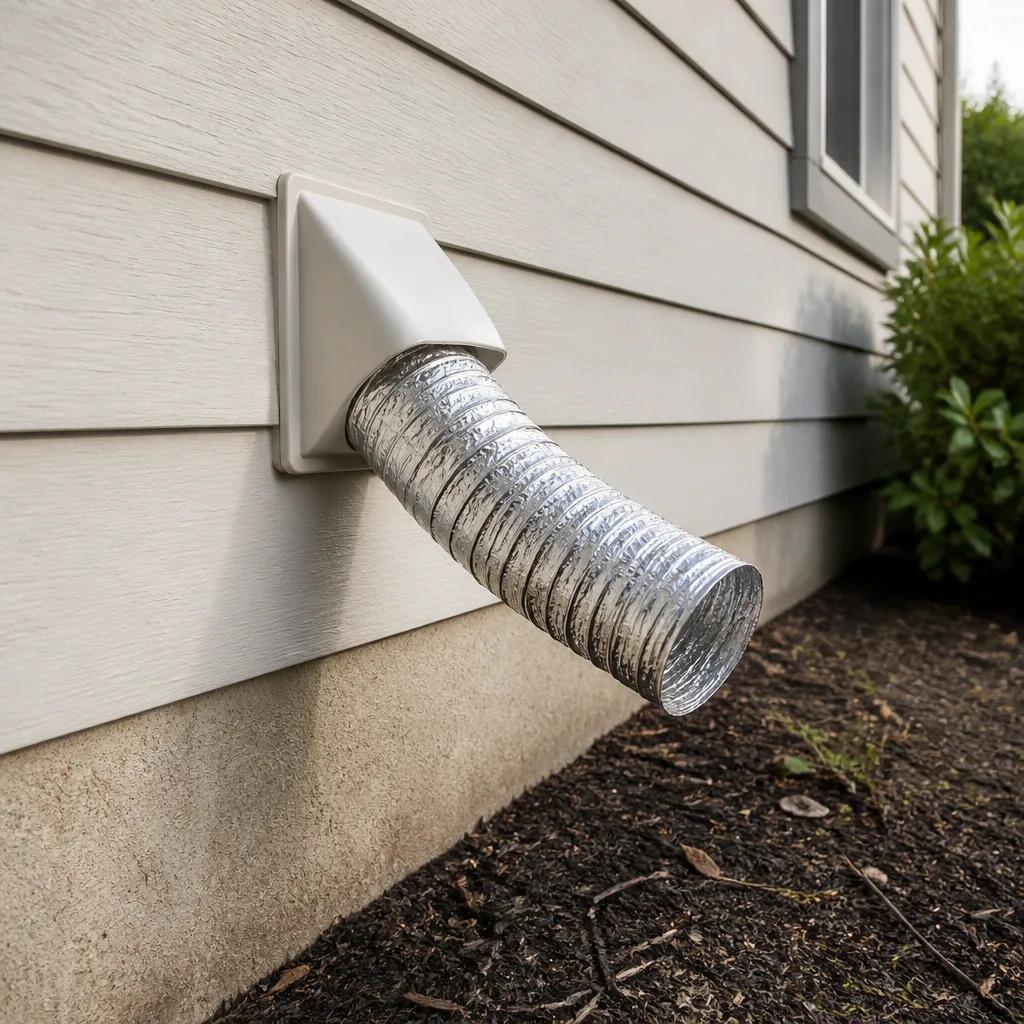 Dryer vent cleaning
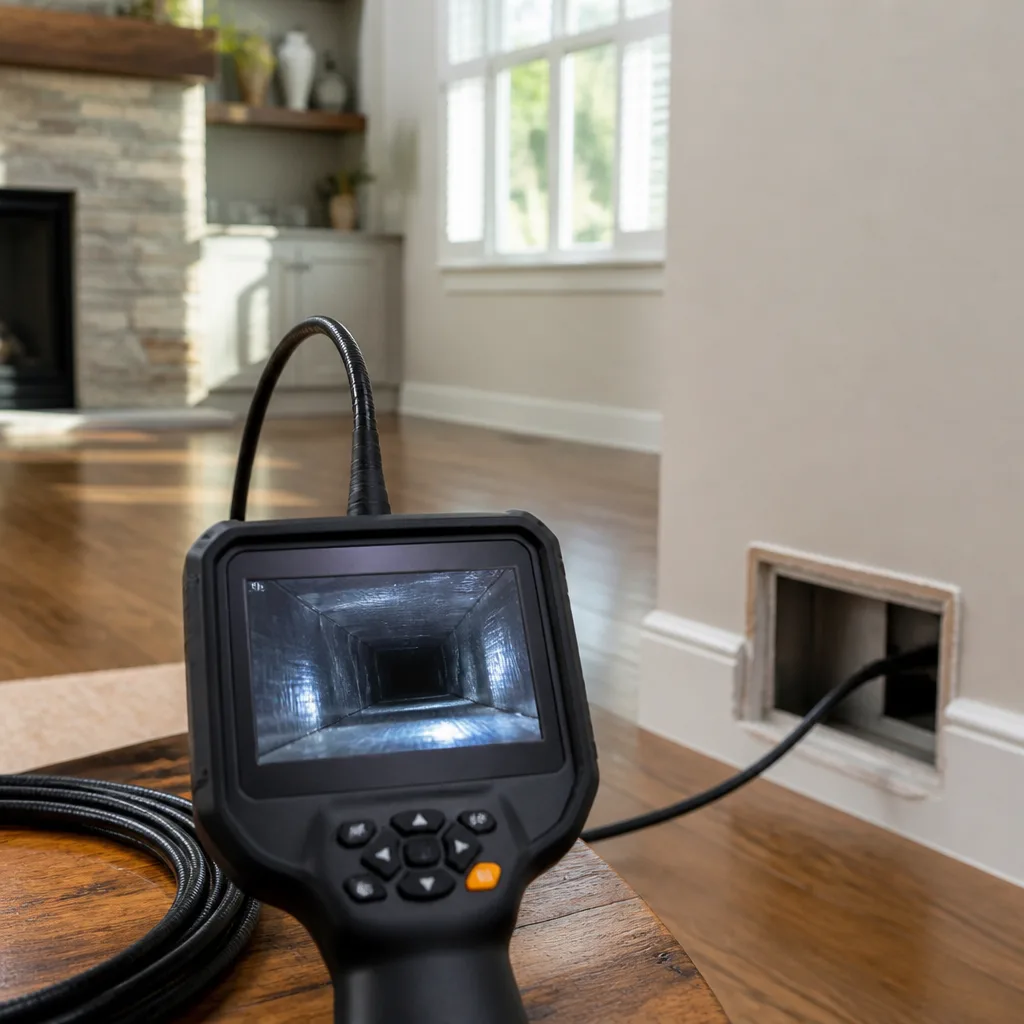 Camera inspection
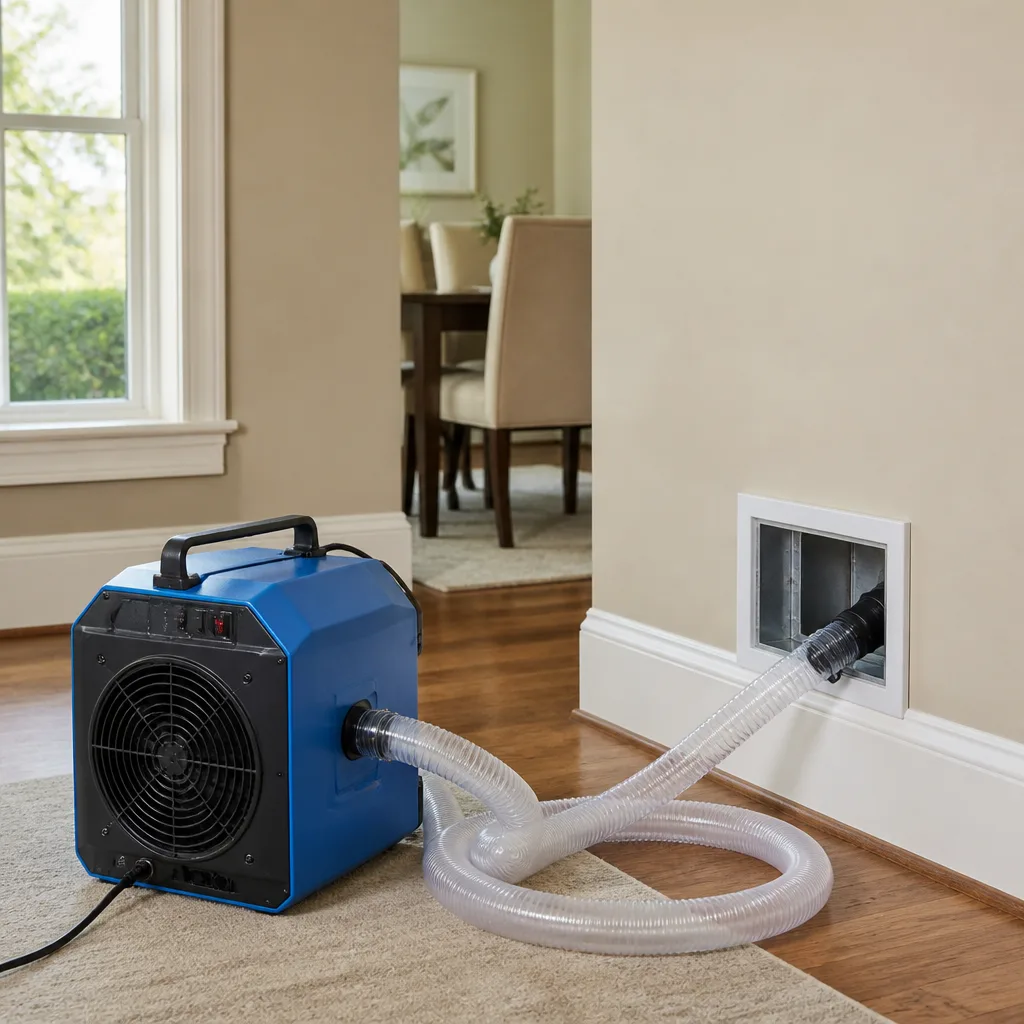 Sanitizing & deodorizing
Whole-system duct and dryer vent check with before-and-after photos - you see exactly what came out of your vents
That "$99 whole-house special" is a bait ad - the real number appears once they are in your hallway, or the "clean" is a shop-vac at the register. We photograph the inside of your ducts before and after instead.
Air Duct Cleaning Maintenance Checklist for Brandon Homeowners
If you’re using a standard “change the filter every 90 days” schedule while running your air conditioning ten months out of the year in Brandon, you’re already on a maintenance deficit before anyone opens a single register. The calendar isn’t the right clock for a home here. Runtime is. A system that logs north of 2,800 cooling hours a year moves far more air, collects far more dust, and pulls far more humidity through its ductwork than the same system in a northern climate that might see 1,200 hours. That difference changes everything about how often your ducts need attention. This guide walks you through a maintenance checklist built around how Brandon homes actually live with their HVAC – what to check, when, and how to know a cleaning job was done right.
Quick Answer
A maintenance checklist for ducts in Brandon homes should be built on HVAC run-time, not calendar months. If your system runs most of the year, you’ll want a filter check monthly, a register inspection and airflow sanity check twice a year, and a full source-to-register duct cleaning every three to five years – sooner for homes near construction, pets, or heavy allergen load. Pre-cleaning inspection, negative-air containment during the job, and post-cleaning airflow verification are what separate a real cleaning from a cosmetic wipe-down.
Styles & brands we work with
- Whole-home duct cleaning
- Dryer vent cleaning
- Camera inspection
- Sanitizing & deodorizing
Table of Contents
- Run-Time vs. Calendar: Which Maintenance Schedule Fits Your Brandon Home?
- The Pre-Cleaning Checklist Every Brandon Homeowner Can Do
- What a Real Full-System Cleaning Looks Like (Source to Register)
- How to Verify a Cleaning Job Was Actually Done
- Seasonal Checkpoints Specific to Brandon
- The Records You Should Keep (and Why)
- When Duct Repair Comes Before Re-Cleaning
- Where Do-It-Yourself Ends and a Professional Begins
Run-Time vs. Calendar: Which Maintenance Schedule Fits Your Brandon Home?
Most duct maintenance advice you’ll read online was written for a four-season climate where the furnace and the AC each run for maybe four or five months. Brandon doesn’t work that way. Here, cooling season stretches across most of the year, and the air handler runs nearly continuously from spring into fall. That’s why a calendar-based reminder like “clean ducts every three years” is only half the answer. The other half is how many hours the equipment actually spent moving air.
You can estimate your home’s annual runtime by adding up two things: how many months per year your AC is actively running, and roughly how many hours a day it runs during each season. Multiply those out and you’ll land in one of two zones:
- Under 1,500 hours per year – closer to the northern-climate pattern. Standard three-to-five-year intervals probably fit.
- Over 2,500 hours per year – the Brandon norm for a system running most of the year with modest daily off-time. Plan on cleaning toward the shorter end of that interval.
Factor in household specifics and the picture sharpens. A house with two shedding pets, or one near an active construction site or recent renovation, moves toward the aggressive side regardless of runtime. A retired couple living in a tightly sealed newer home with a good filter setup can stretch further. What matters is that your interval reflects Brandon conditions, not a template written for Cleveland. If you’re not sure your current schedule matches your actual runtime, ask when we come out for an air duct cleaning estimate and we’ll help you map it.
The Pre-Cleaning Checklist Every Brandon Homeowner Can Do
Before any professional sets foot in your home, there’s real value in running your own inspection. Not because you should clean the ducts yourself, but because a five-minute walkthrough tells you whether you have a cleaning need or a repair need – and gives you specific questions to ask. Here’s what we ask homeowners in Brandon to check before they book.
- Access panel condition. Find where the air handler connects to the supply trunk and look at the panel. It should seal snugly. A panel that’s loose, taped over, or clearly been removed and re-set by somebody non-trades is a warning sign there may be gaps pulling unfiltered air into the system.
- Filter bypass gaps. Pull your filter and check the slot it sits in. If you can see daylight or feel air bypassing the filter’s edges, dust is sneaking around the filter instead of through it. That’s a common reason ducts load up faster than a homeowner expects.
- Visible register buildup. Shine a light into a couple of supply registers. A light film is normal. A visible mat of dust or lint, or dark staining on the grille, means the duct behind it is carrying more than it should.
- Condensate drain status. Look at the drain pan under the air handler and the drain line. Standing water, algae growth, or a clogged line is a moisture problem – and moisture in a duct system is a much bigger conversation than dust. Address it with an HVAC technician before cleaning.
- Return air grille condition. Return grilles take the load. A return that’s visibly gray, fuzzy, or pulling in dust from a nearby room is telling you where your system’s dust intake is worst.
- Airflow at each supply register. Hold your hand at each supply register and compare. A register blowing noticeably weaker than its neighbors usually means a branch duct has come loose, collapsed, or is blocked. That’s a Duct Cleaning Brandon repair candidate, not just a cleaning candidate.
Note what you find. Photograph anything unusual. When you call, those notes convert a generic cleaning into a targeted job.
What a Real Full-System Cleaning Looks Like (Source to Register)
Understanding the process is what protects you from a low-price quote that turns into a five-minute vacuum pass. A proper source-to-register cleaning has distinct phases, and you should be able to see evidence of each one.
- Inspection first. A technician should examine registers, main trunk, branch runs, and the air handler connection point before touching anything.
- Containment setup. Professional jobs use negative air pressure – equipment like Abatement Technologies units – to create a slight vacuum in the duct system so dislodged debris is captured at the source rather than blown into living space. If a company shows up with a shop vac and no containment, you’re getting a surface pass, not a cleaning.
- Agitation with rotary brush systems. Rotobrush rotary brush equipment feeds a spinning brush head through the duct while extraction runs simultaneously. The brush loosens the film; the vacuum pulls it out. Agitation and extraction happen together because one without the other doesn’t remove the layer that clings to duct walls.
- HEPA extraction. A Nikro HEPA-filtered vacuum captures fine particulates at the source. This is where the difference shows – a non-HEPA extraction setup leaves the finest dust in the air column.
- Register and grille cleaning. Supply and return grilles should be removed, cleaned, and re-set. Grilles are typically where visible buildup hides.
- Repair assessment. While inside the system, a technician should be checking for disconnected joints, torn flex duct, and open seams. Cleaning a system with a breach just sends dirt back out into the duct.
We use Rotobrush and Nikro because they’re the equipment certified indoor-air-quality contractors actually run – not consumer gear repurposed for a commercial job. That specificity is what an honest quote should offer you. If a company can’t name their equipment and explain the containment method, ask why.
How to Verify a Cleaning Job Was Actually Done
Verification is where the industry loses trust, so make it part of your checklist. A cleaning you can’t confirm is a cleaning you’ll worry about. Here are the steps we ask homeowners to expect after a job, and the ones you should ask any contractor to walk you through:
- Before-and-after photos of your own ducts. Not stock photos. Your ducts. A company confident in its process should be able to show you interior shots of a main trunk or branch run before and after.
- Airflow comparison. Hand-test airflow at a handful of supply registers before and after, or ask the technician to run a simple airflow check. Restored or improved flow indicates a cleaned branch.
- Visual register confirmation. Look inside the registers yourself. Interior surfaces should be free of clinging film and loose debris.
- Filter condition. A new or freshly changed filter should stay cleaner for longer than it did before cleaning. If it loads up in a week, something’s bypassing or leaking.
- Containment verification during the job. Any plastic sheeting or negative-air equipment should be in position and pulling air through the system, not blowing it back into the room.
Ask the technician to point out what was found during inspection and whether repair was needed. If everything is fine, they should say so. If something needs attention, they should show you, not just tell you.
Seasonal Checkpoints Specific to Brandon
Brandon’s climate drives a different seasonal rhythm than what most duct maintenance guides assume. There’s no deep winter to close the system down; the HVAC workhorse runs nearly year-round, and the priority checkpoints cluster around the shoulder seasons and the summer storm window.
Pre-summer startup inspection
As cooling season rolls in, this is your best window to look at filter bypass, register buildup, and airflow balance. Get the air handler serviced by an HVAC tech, and schedule a duct inspection if it’s been three years or more since the last one. A system starting the summer on a dirty duct network spends the next eight months distributing that accumulated load.
Post-storm debris check
Summer thunderstorms bring wind-driven debris around outdoor units and sometimes into return air paths if a window or door was left open. After a significant storm, walk the return air grilles and check for visible debris or a sudden dust surge at the registers. If airflow drops noticeably, inspect before assuming the system needs a cleaning – a blockage might be the cause.
Post-rainy-season moisture assessment
Brandon’s wet season runs through the summer months and the humidity lingers. After it winds down, look at the condensate drain, drain pan, and any visible moisture inside the air handler cabinet. Moisture is the one thing in a duct system that changes a routine cleaning into an urgent call. If you see water where it shouldn’t be, get an HVAC technician out before you book a duct cleaning.
You don’t need a rigid monthly reminder system for ducts. You need a seasonal rhythm: check filters monthly, run a register and airflow walkthrough at the start and end of cooling season, and get the ducts professionally inspected on the interval that matches your home’s runtime. For homes in Brandon, that rhythm matters because the system never really gets a break.
The Records You Should Keep (and Why)
A duct maintenance file sounds fussy until you’re selling a home or filing an insurance claim. Then it’s what separates “the ducts are probably fine” from a written record that says when they were cleaned, by whom, and with what equipment.
Keep the following for every service:
- Date of service. Simple, but you’ll want the timeline if you’re verifying an interval later.
- Equipment used. Note the brands – for example, “Rotobrush rotary brush system, Nikro HEPA extraction, Abatement Technologies negative-air containment.” Specific equipment names tell an inspector or future buyer what kind of job was actually performed.
- Scope of work. Which ducts were cleaned – main trunk, all branch runs, registers, air handler connection. If some portion was skipped, note why.
- Repairs performed. Any duct repairs, joint re-seals, or duct replacements done at the same time. This matters for warranty and for future inspections.
- Before-and-after photos. The single most useful items in the file. For resale, they document system condition. For insurance, they document a known and addressed issue.
- Airflow notes. Any register where airflow was measured as weak, and what was done.
Keep the file with your HVAC service records. When you sell the home, that file answers a question buyers always have. When you file a claim, it shows you’ve been maintaining the system.
When Duct Repair Comes Before Re-Cleaning
This is the part most cleaning-only companies skip. Cleaning a duct system that has a breach – a disconnected branch, a torn flex run, a separated joint – is a losing effort. The dirt gets pulled out, and within weeks the leak pulls in unfiltered attic or crawlspace air and the duct is dirty again. Repair and cleaning have to be sequenced, and for a Brandon home with a known airflow problem, repair comes first.
What should you look for?
- Weak airflow at one register. Usually a branch duct that’s come loose or crushed.
- Visible staining around register edges. Seal failure or a supply line that’s lost its connection.
- Whistling or air noise at the air handler. Often a torn or gapped duct at the connection point.
- Dust patterns near ceilings or interior walls. A sign of a leaking duct distributing dust into a room.
Duct repair is its own service, and it should be treated that way. Our position on this is simple: we don’t just clean what’s dirty, we fix what’s broken. If a full-system cleaning turns up a breach, the repair should happen before or during the cleaning, and the work should be documented.
Where Do-It-Yourself Ends and a Professional Begins
Some parts of this checklist are genuinely do-it-yourself. Filter changes, register inspection, condensate drain checks, filter bypass checks – all reasonable for a homeowner. Documenting the service history is also on you.
Cleaning the duct system is not in the DIY column. Consumer shop vacuums don’t have the static pressure or HEPA-grade filtration to pull a duct clean; they end up aerating the contaminants. And anything that puts you inside the air handler cabinet, the electrical compartment, or working around the blower is a safety concern – those circuits carry enough current to cause serious injury, and proper capacitor discharge procedure isn’t a homeowner technique. Rotary brush equipment has to be fed through duct runs without tearing seams or flex duct, which is a skill in itself. Airflow verification needs a manometer or a flow hood. The best use of homeowner effort is the checklist on the front end and the verification on the back end.
See the difference
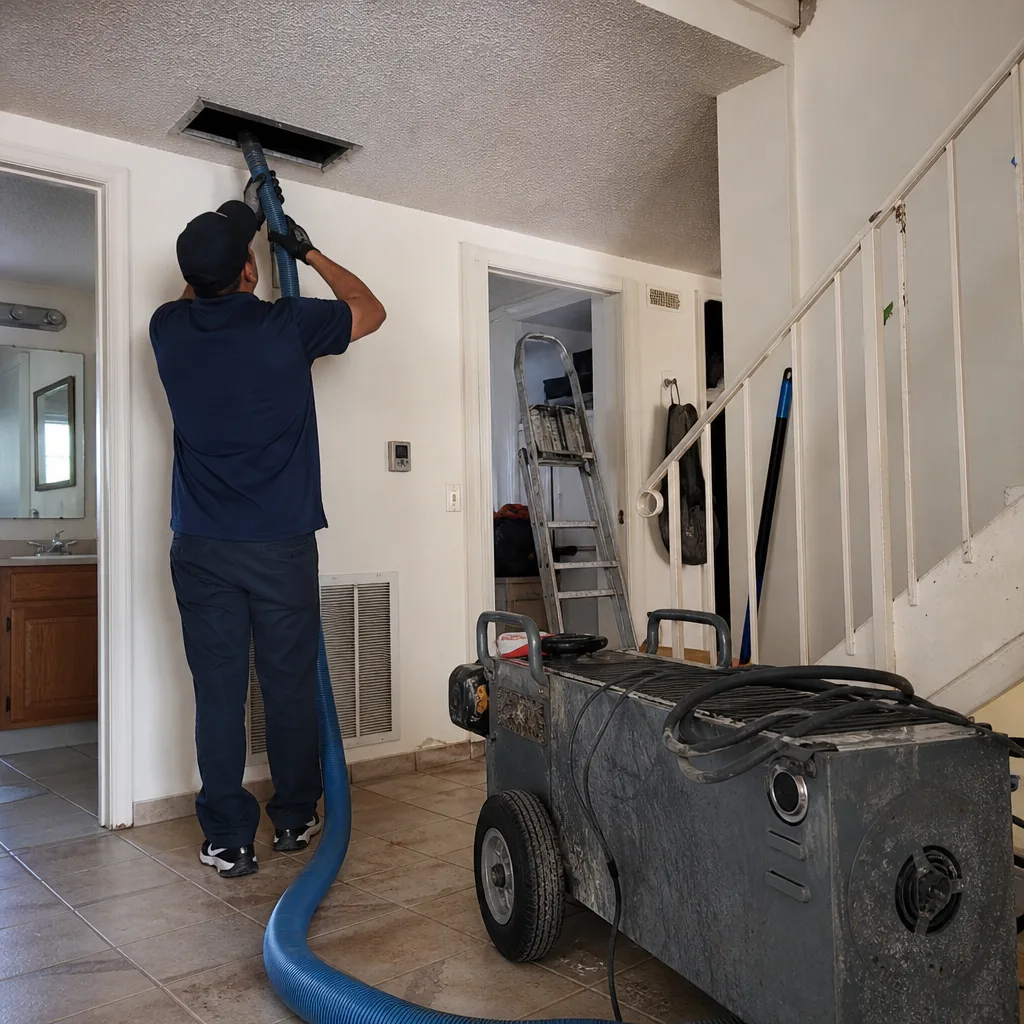 Before
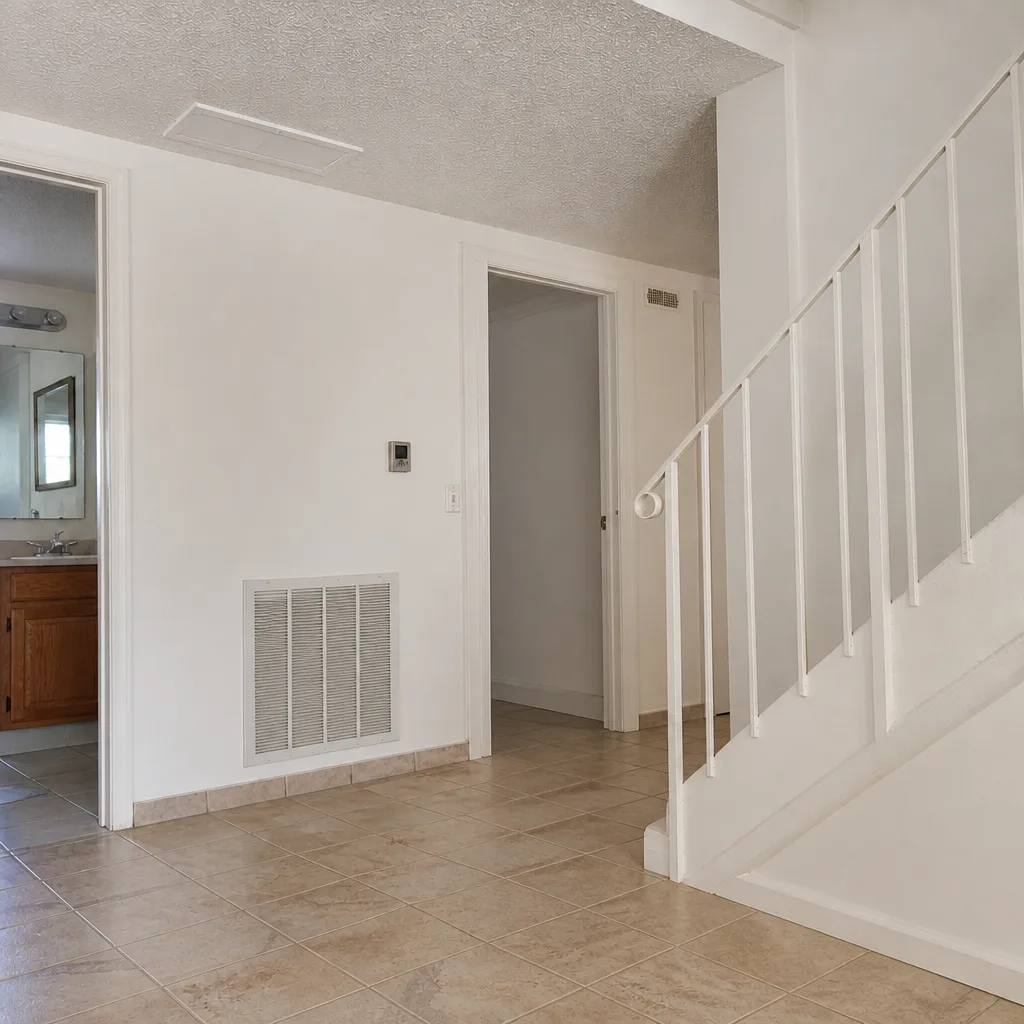 After
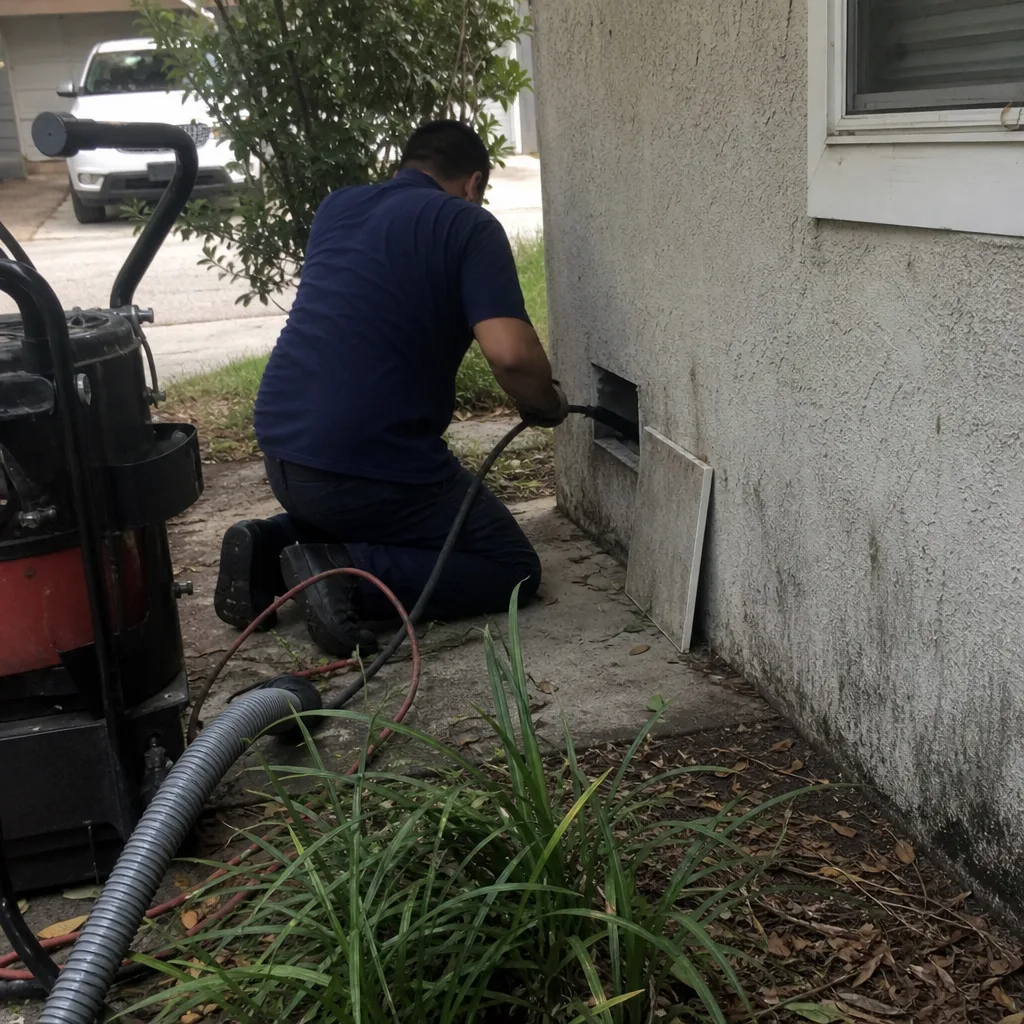 Before
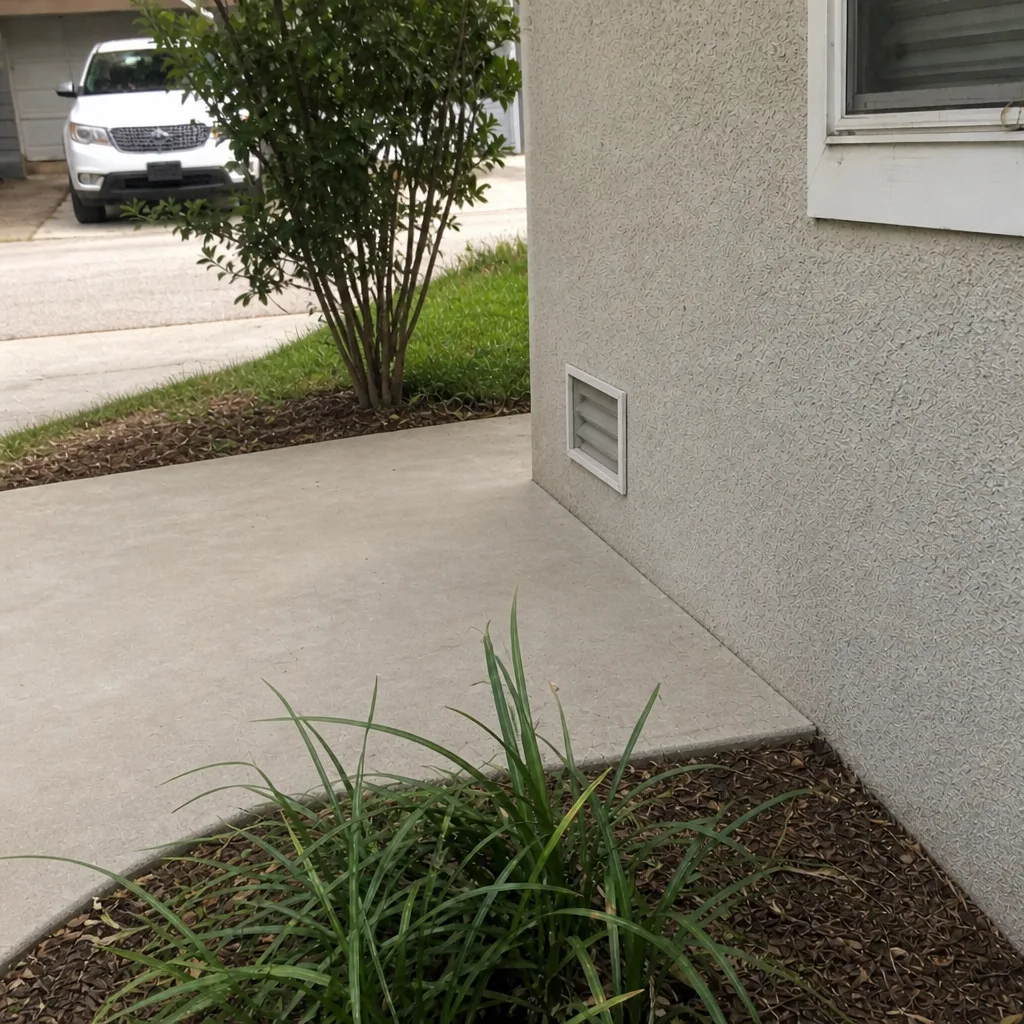 After
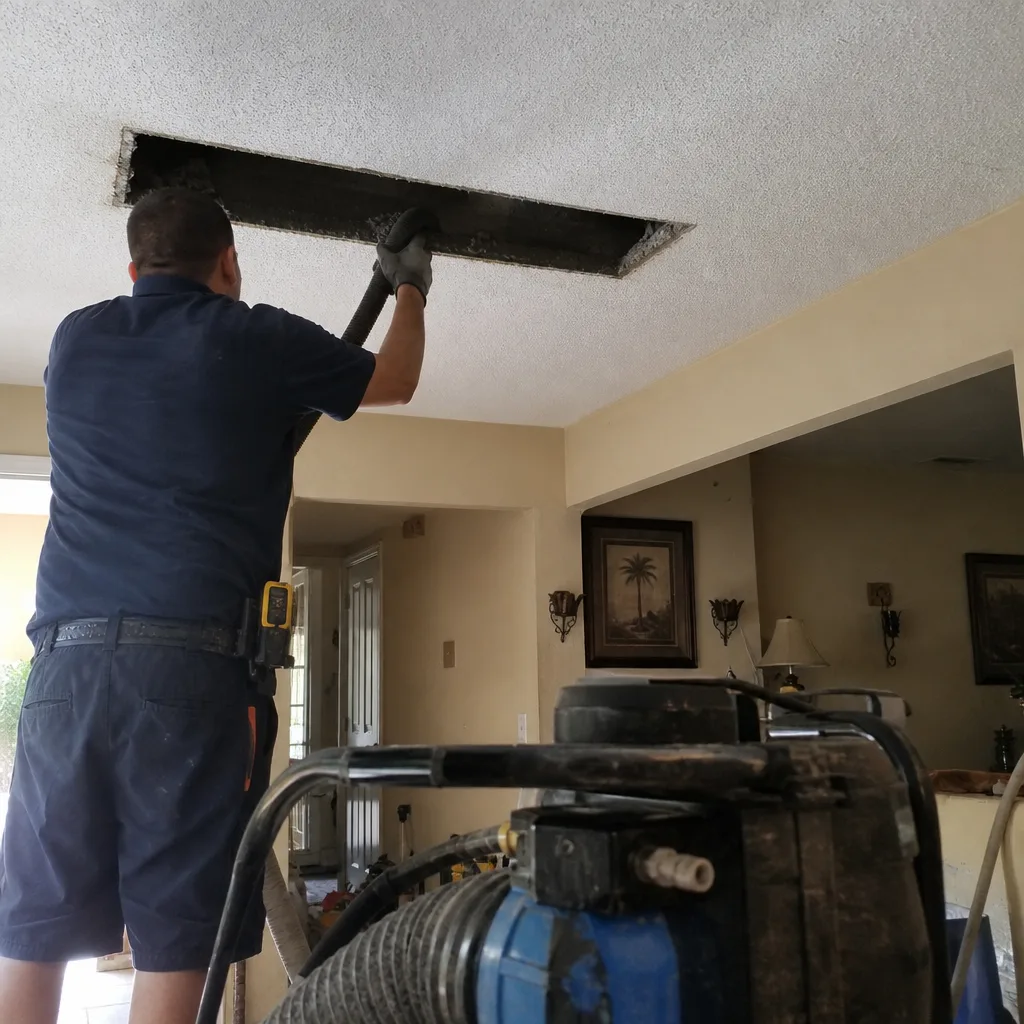 Before
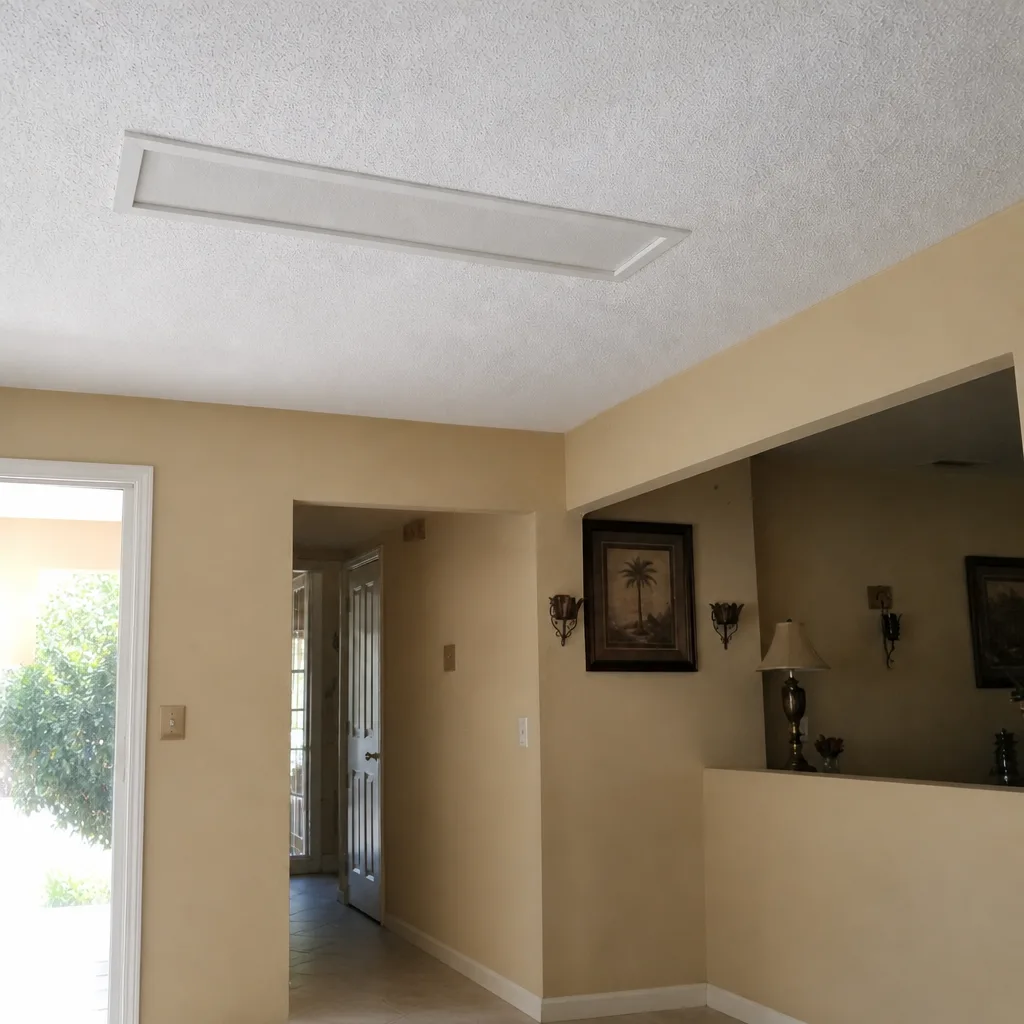 After
Common Mistakes to Avoid
- Running a 90-day filter schedule in a climate that runs ten months. If the air handler is moving air most of the year, the filter interval needs to shorten correspondingly. Check monthly and change when visibly loaded, not on the calendar.
- Booking a cleaning without a repair inspection first. A cleaning-only visit on a system with a known airflow problem leaves the underlying issue in place and wastes the cleaning.
- Skipping containment verification. A cleaning job without negative air pressure redistributes debris through the home. Ask to see the containment setup.
- Ignoring a moisture sign. A small condensation issue inside a Brandon home’s air handler is common; a moisture problem in the ducts is not a cleaning issue, it’s an HVAC call. Address it before you schedule cleaning.
- Not documenting the job. Losing the record costs you when it’s time to sell, or file an insurance claim on a system issue.
- Watching the wet-season humidity climb without checking ducts. Brandon’s summer moisture is what turns dusty ducts into a bigger problem. Note what the post-rainy-season inspection turns up.
- Believing a low coupon quote means a real cleaning. A quote that beats the market by three-quarters almost always reflects a shorter scope and cheaper equipment, not a bargain.
When to Call a Professional
Most of this checklist lives in your hands. A few situations need a trained technician with the right equipment. If you notice a visible layer of dust or lint on return grilles that returns after you wipe them, or a persistent musty smell in the air coming out of the registers, that’s a cleaning need. If one register blows noticeably weaker than the rest, that’s likely a duct repair. If you’re seeing water in the air handler cabinet, a clogged condensate line, or algae growth, call an HVAC technician first for the moisture issue. If you’ve recently finished a renovation and the drywall dust has entered the return path, a full-system cleaning makes more sense than waiting for the interval to arrive. And if you’ve moved into a home in Brandon and don’t know the last cleaning date, an inspection is worth the phone call.
Alongside duct cleaning, the other maintenance item most homeowners overlook is the dryer vent. Lint buildup is a recognized fire hazard, and it’s a separate service that most duct cleaners don’t offer. We do, under the same visit if you want it. See our dryer vent cleaning page to understand what a proper vent cleaning involves.
Duct Cleaning Brandon offers free estimates in Brandon – call (844) 834-1263. We answer 24/7. Fast dispatch from 7am to 7pm, Sunday through Friday.
Frequently Asked Questions
Every three to five years for most homes, and closer to every three for homes where the HVAC runs most of the year and the household has pets or recent construction. If your system runs 2,500 or more hours annually, plan on the shorter interval. High-allergen or post-renovation homes may need it sooner. Call (844) 834-1263 for an exact quote – estimates are free.
Pricing depends on system size, number of vents, and any repair work needed; we set one flat price per system before work starts, so it never becomes a per-vent surprise. Instead of teaser pricing, we walk through the full scope and lock the number in writing. Call (844) 834-1263 for an exact quote – estimates are free.
Because they often involve less equipment and shorter scope, not a better deal. A proper cleaning uses rotary brush agitation with simultaneous HEPA extraction and negative-air containment; a low-quote job typically runs a shop vac at the registers and skips the main trunk. Ask any contractor to name their equipment and containment method before you book. Call (844) 834-1263 and we’ll explain exactly what’s included in ours.
Ask for before-and-after photos of your own duct interior, not stock images. You should also see airflow return at registers and interior surfaces clear of film after the job. If a company can’t provide those, that’s your answer. Call (844) 834-1263 to schedule a free estimate.
Only if it’s done without proper containment. Agitating debris without negative air pressure pulls dust into living space. That’s why we use Abatement Technologies containment equipment during the job – so what’s disturbed is captured, not redistributed. Ask any contractor how they handle containment before booking.
Do I need duct repair before cleaning, or can they be done together?
If a breach is discovered during the cleaning inspection, repair comes first or at the same visit – cleaning a le