
Last updated November 15, 2026
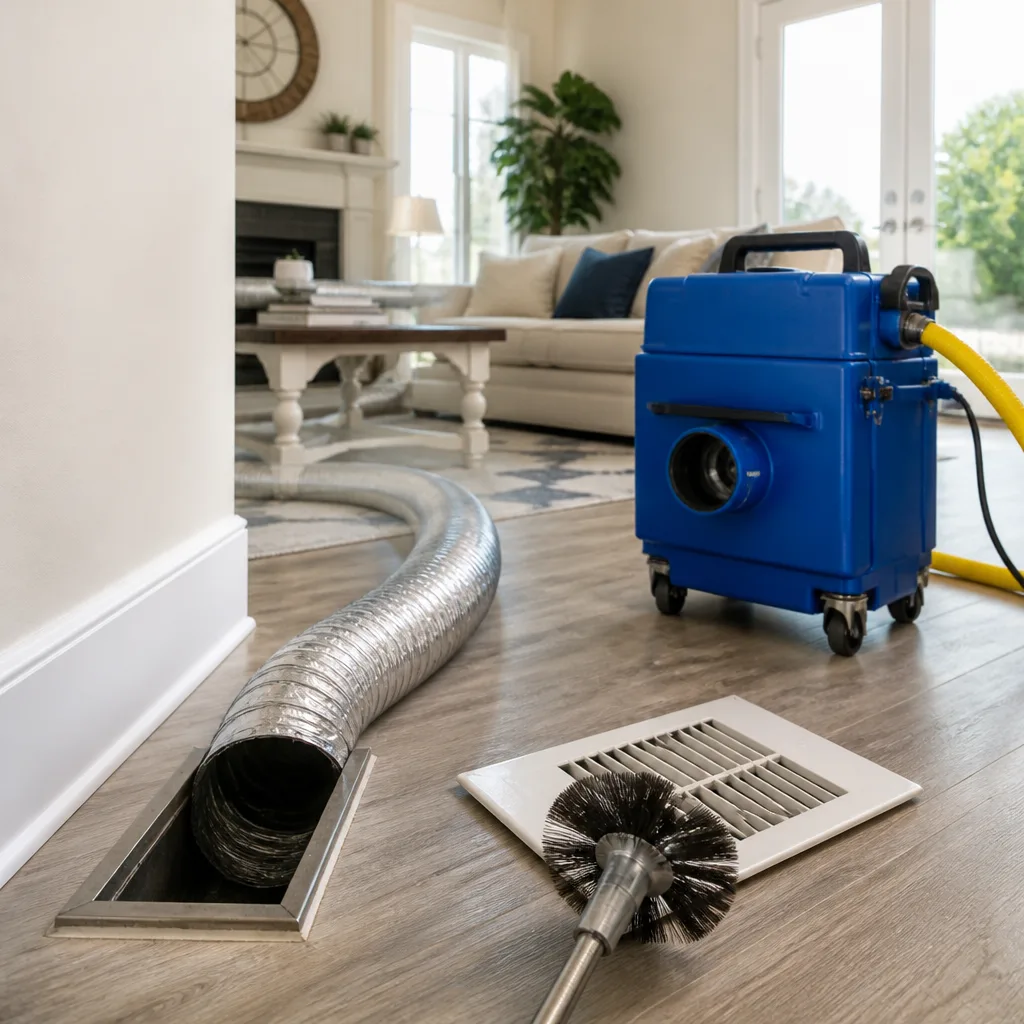 Whole-home duct cleaning
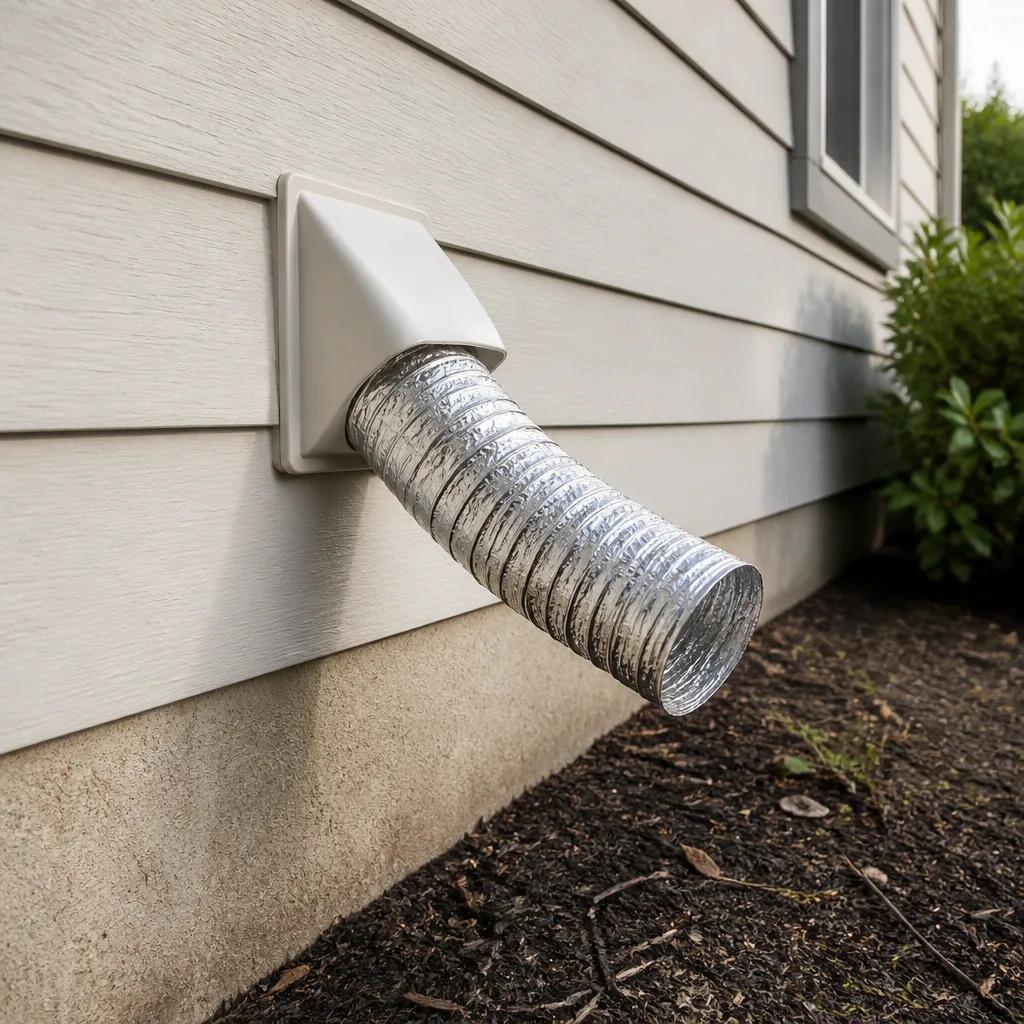 Dryer vent cleaning
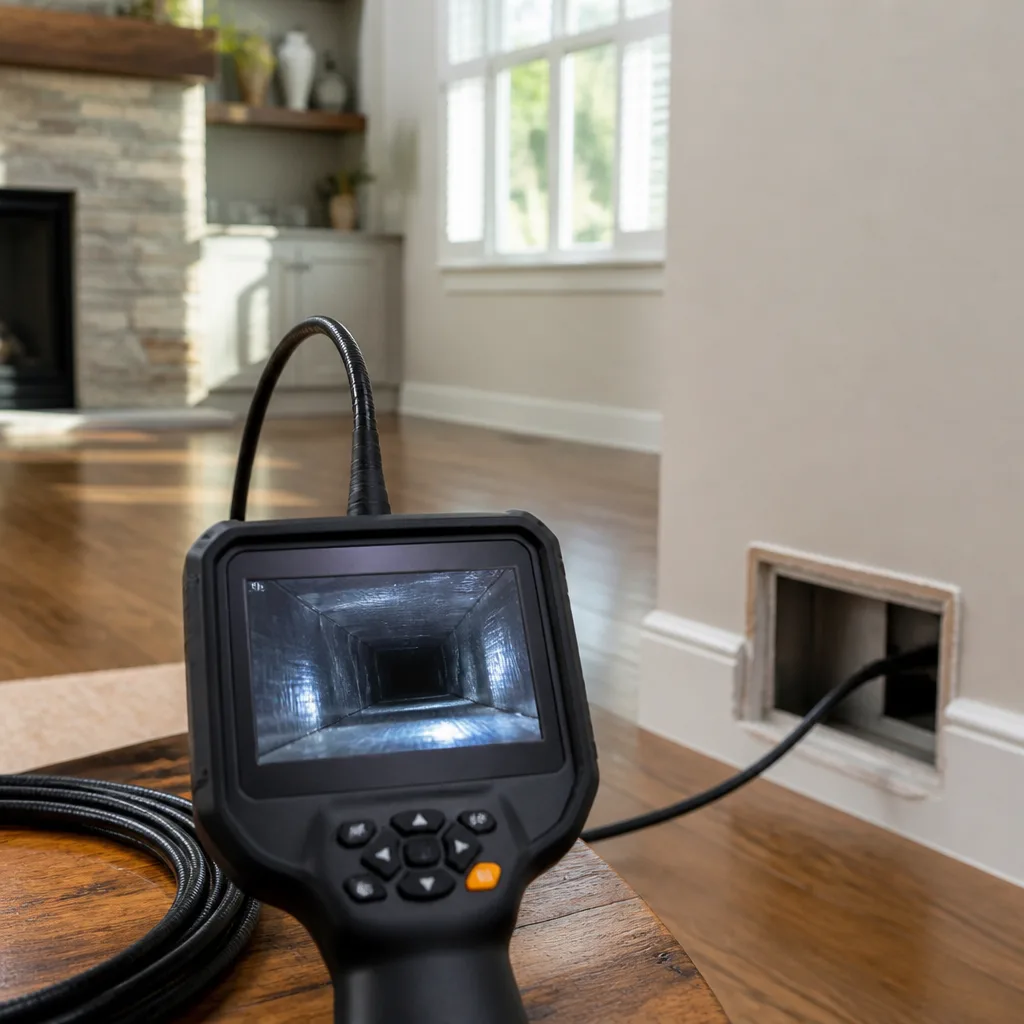 Camera inspection
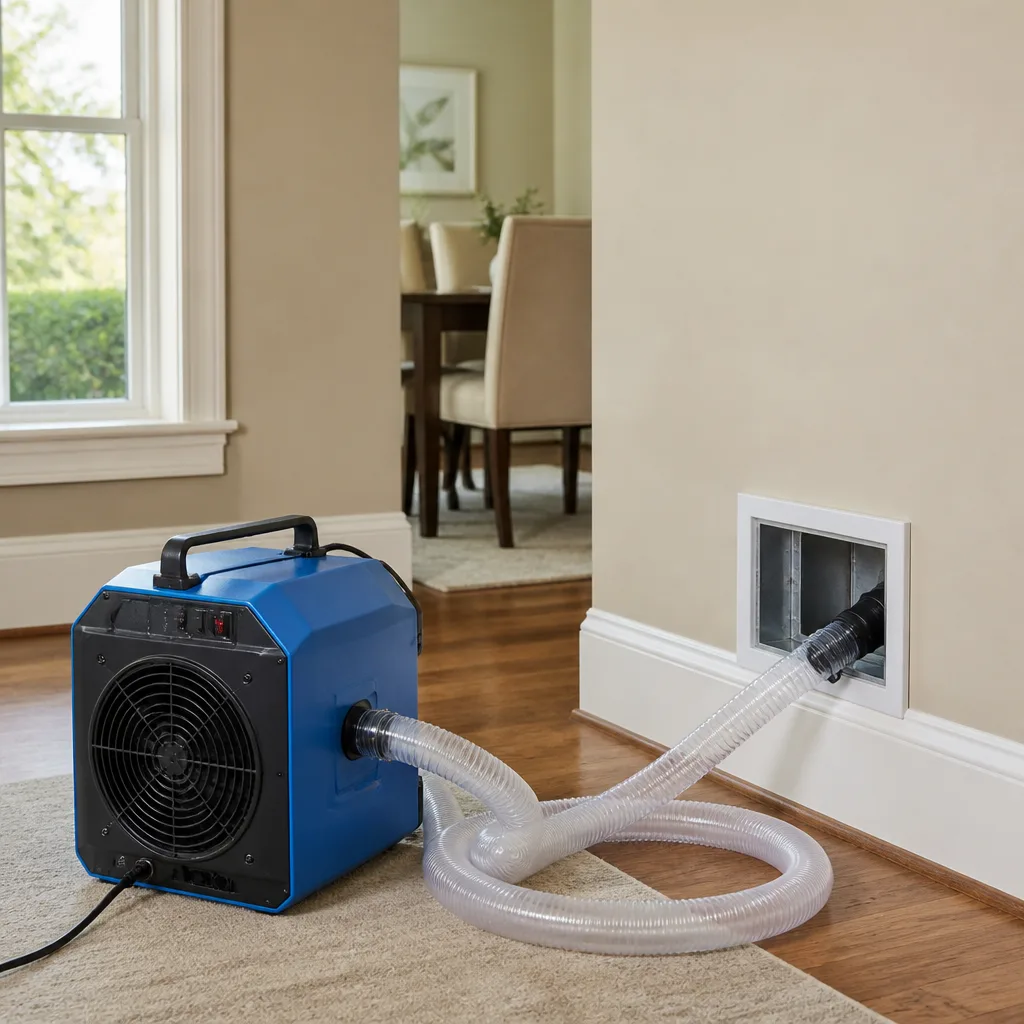 Sanitizing & deodorizing
Whole-system duct and dryer vent check with before-and-after photos - you see exactly what came out of your vents
That "$99 whole-house special" is a bait ad - the real number appears once they are in your hallway, or the "clean" is a shop-vac at the register. We photograph the inside of your ducts before and after instead.
Air Duct Cleaning Maintenance Schedule: What to Do and When
The advice you’ll find on most duct cleaning websites says every three to five years, and that number gets repeated so often that homeowners treat it as a rule they can set a calendar reminder for. It isn’t. That default was shaped for temperate climates where the air handler runs a few months a year and then sits idle. Here in Brandon, your system pulls air through the same ductwork nearly every day of the year, through sticky summers and sandy spring afternoons, and that changes the maintenance curve completely. What follows is a real schedule built around how a Brandon home actually runs: month-by-month tasks, the signals that tell you when to shorten the interval, and how to keep a log the next technician can learn from.
Quick Answer
In Brandon, most homes need professional air duct cleaning every two to four years, not the national three-to-five default, because the AC runs close to year-round and drives far more air through the system. Homes with dogs, smokers, recent renovation dust, or older flex duct should lean toward the shorter end, roughly every two years. Between professional cleanings, watch your filter loading rate and schedule an inspection whenever filters start loading noticeably faster than before.
Styles & brands we work with
- Whole-home duct cleaning
- Dryer vent cleaning
- Camera inspection
- Sanitizing & deodorizing
Table of Contents
- Why the Standard Three-to-Five-Year Rule Doesn’t Fit Brandon
- The Brandon Month-by-Month Duct Maintenance Checklist
- Using Filter Loading Rate as Your Between-Cleaning Gauge
- Household Variables That Shorten the Interval
- Why Dryer Vent Cleaning Belongs on the Same Schedule
- What a Duct Maintenance Log Should Contain
- What You Can Do Yourself and What Needs a Professional
- Common Mistakes to Avoid
Why the Standard Three-to-Five-Year Rule Doesn’t Fit Brandon
The EPA’s guidance is often summarized as “clean as needed,” which is honest but not very useful when you’re trying to plan. That guidance was written for a temperate climate where a furnace and air conditioner each get a season and the ductwork sits mostly quiet in between. Brandon isn’t that. Here, the air handler runs through spring, summer, and much of fall without a real break, and many homes keep it cycling through the mild winter too. Every hour of runtime moves another volume of air past every joint, register, and return grille.
Three local factors push the maintenance curve away from the national average:
- Runtime. A system that runs ten months instead of four accumulates dust roughly two and a half times faster per calendar year. That alone pulls a five-year interval down toward two or three.
- Humidity. Long, humid summers keep the evaporator coil wet for much of the year. A damp coil and damp duct interior give dust something to cling to, so debris settles and sticks rather than drifting loosely.
- Sandy soils. Brandon’s sandy ground means fine grit rides in on shoes, pets, and open windows. That grit is heavier than household lint and drops out of the airstream sooner, collecting in low runs and return plenums.
None of this means every Brandon home needs annual cleaning. It means the honest starting point is two to four years, adjusted up or down by what’s actually happening in your house. That’s why the schedule below is built around observation, not a fixed countdown. Our technicians have up to 14 years of experience reading exactly these signals, and the pattern is consistent: homes on a runtime-aware schedule stay cleaner between visits than homes that simply wait for a number.
The Brandon Month-by-Month Duct Maintenance Checklist
Treat this as a rhythm rather than a rigid calendar. The point is to catch problems at the transition points in Brandon’s year, before a small issue has a whole season to grow.
- Late winter / early spring – pre-summer startup inspection. Before the heavy cooling season begins, walk the system. Check that every supply register has airflow, look for dust streaks around grilles, and confirm the return grille isn’t blocked. This is the best time to book a professional cleaning if your interval has come due, so the system enters the long cooling run clean.
- March through May – pollen and grit watch. Spring brings fine pollen and sandy dust. Change filters on the shorter end of your normal interval and note how loaded they are. If a filter that used to last three months is now clogged at six weeks, that’s your signal to shorten the cleaning interval.
- June through September – peak cooling season. This is when the system works hardest and when you’ll notice performance problems first: weak airflow at far registers, a musty smell when the AC kicks on, or visible dust puffing from a vent. Keep filters fresh and avoid blocking returns with furniture.
- Post-storm checks. After a heavy summer storm or any roof work, look for water staining near ceiling registers or loose duct connections. Wind-driven rain and debris can find gaps. If you’ve had roof repairs, check that dust and insulation fragments haven’t dropped into a run.
- October / November – fall filter transition. As the cooling load eases, this is the natural point to do a deeper filter change, vacuum grilles and register covers, and note any change in dust patterns since spring. Compare current filter loading against your spring notes.
- December through February – low-load review. With the system quieter, inspect accessible duct runs for sagging flex duct, disconnected joints, or tape that’s peeling. This is also a good window to schedule any Brandon duct repair work while the house isn’t fighting the heat.
Write each step down as you do it. A schedule you can’t compare year over year is just guesswork with extra steps, which is why the log section further down matters as much as the checklist itself.
Using Filter Loading Rate as Your Between-Cleaning Gauge
You can’t see inside your ductwork from the hallway, but your filter gives you a usable proxy. Filter loading rate is simply how fast a filter goes from clean to visibly loaded. When that rate speeds up, it usually means more particulate is circulating, which means the ducts are holding more debris than they were.
Here’s how to track it without any special tools:
- Write the install date on the filter edge with a marker every time you change it.
- Hold each removed filter up to a light and estimate how much of the surface is blocked – roughly a quarter, half, or most of it.
- Note the date and the estimate in a simple notebook or phone note.
- Compare this change against the last one. A filter that once lasted three months and now loads in five or six weeks is telling you the system is working harder to move the same air.
Two cautions. First, a sudden jump in loading rate right after a renovation or a stretch of open windows is expected and temporary; don’t schedule a cleaning over a single event. A sustained trend across two or three changes is the real signal. Second, the filter itself matters. Homes running Duct Cleaning Brandon service calls often have a mismatched filter that’s either too restrictive for the blower or too coarse to catch fine grit. If your system uses a dryer vent cleaning-adjacent lint problem near the laundry, that’s separate, but a filter that never seems to load at all is worth having checked – it may be bypassing air around its frame entirely.
When we assess a system, the filter history is one of the first things we ask about, because it tells us more about the duct interior than a glance at the grille ever will. A professional assessment pairs that history with an actual look inside the runs using a rotary brush system that agitates and extracts debris at the same time.
Household Variables That Shorten the Interval
The two-to-four-year starting range assumes a fairly average household. Add any of the following and the interval compresses. These are realistic timelines based on how each variable actually loads a system, not worst-case scare numbers.
- Dogs (or multiple pets): Pet dander and hair are heavy and settle quickly. A home with one or two shedding dogs typically moves to the two-year end, and heavy-shedding breeds can justify an annual inspection with cleaning as needed.
- Smokers in the home: Smoke residue coats duct surfaces and holds other dust to them. Homes with indoor smoking should plan on cleaning every two years and treat a musty or stale smell as an early call, not a late one.
- Recent renovation: Drywall dust, insulation fibers, and sawdust are far finer and more abrasive than ordinary household dust. Any renovation that involved cutting into walls or ceilings warrants a cleaning once the work is done and dust has settled, regardless of where you were in your normal cycle.
- Older flex duct: Flex duct with sagging runs, loose connections, or damaged inner lining traps debris and leaks air. Once flex duct starts degrading, the effective interval drops toward every two years, and repair often matters more than cleaning.
- New construction: A first-year home carries construction debris through the system. A first deep clean after move-in is standard, then a normal cycle afterward.
- Allergy or respiratory sensitivity in the household: When someone in the home is sensitive to airborne particulate, the practical interval shortens to every two years, paired with a filter rated appropriately for the system.
Stack two or more of these and you’re realistically on an annual inspection with cleaning every one to two years. That’s not an upsell – it’s arithmetic. More particulate in, more accumulates in the same runtime.
Why Dryer Vent Cleaning Belongs on the Same Schedule
Most homeowners treat dryer vent cleaning as a separate chore that gets done “someday,” usually after the dryer starts taking two cycles to dry a load. That’s a mistake, because the dryer vent is the one part of your air system where buildup is a recognized fire hazard rather than a comfort issue. Lint is highly flammable, and a restricted vent traps heat along with it.
The practical fix is to synchronize it. When you book a professional duct cleaning, add the dryer vent to the same visit. The reasons are straightforward:
- Same equipment, same day. The rotary brush and HEPA vacuum systems already on site handle a dryer vent run without a second appointment or a second setup.
- One consistent record. Both services land in the same maintenance log, so you can see the whole air system’s history in one place instead of piecing it together.
- It actually gets done. A dryer vent that’s tied to your duct cycle stops being the task you keep postponing.
How often? At minimum, once a year for most households, and more often for large families doing many loads a week or homes with long, winding vent runs. If your dryer feels hot to the touch on top, clothes come out unusually damp, or the exterior vent flap doesn’t open fully, those are signs to clean it now rather than wait for the next cycle. A specialist who understands the full air system handles this far better than a general handyman, because the same containment discipline that keeps duct debris out of your living space applies here.
What a Duct Maintenance Log Should Contain
The single biggest reason duct problems get missed is that each technician starts blind. If nobody records what the system looked like last time, every visit is a first visit, and nobody can tell whether conditions are stable or getting worse. A simple log fixes that.
Here’s what to record:
- Date and service performed. Cleaning, inspection, repair, or dryer vent – note which, and who did it.
- Method and equipment used. Note whether a rotary brush system and HEPA vacuum were used, and whether negative air pressure was set up during the work. This tells the next technician what standard the system was held to.
- Filter type and change dates. Record the filter’s rating and how long each one lasted. This is your loading-rate history.
- Observations inside the ducts. Debris type (lint, grit, drywall dust, pet hair), condition of joints and flex runs, any areas of moisture or staining.
- Repairs made or needed. A disconnected joint, a torn flex liner, a loose register boot – note what was fixed and what to watch.
- Before-and-after photos. Photos of your own ducts, taken on the day, are the clearest proof the work happened and the best baseline for the next comparison.
Keep it somewhere you’ll actually find it – a folder, a note on your phone, anything consistent. When a technician arrives and can see the last three years of history, they can recommend based on change over time instead of a guess. That’s the difference between maintenance and reaction.
What You Can Do Yourself and What Needs a Professional
Plenty of the schedule above is genuinely yours to handle, and doing it well stretches the time between professional visits. Other parts aren’t safe or effective to do yourself, and it’s worth being clear about the line.
Safe for you to do:
- Change and track filters, and record loading rate.
- Vacuum and wipe accessible grilles and register covers.
- Keep returns and supplies clear of furniture and rugs.
- Visual checks for dust streaks, water staining, or sagging flex duct in open areas like the garage or attic access.
- Note airflow changes and unusual smells when the system starts.
Leave to a professional:
- Cleaning inside the duct runs themselves. A shop vacuum can’t reach or agitate the full length of a run, and it can stir debris into the living space rather than capturing it.
- Any repair of duct connections, boots, or flex liners. This is where a cleaning-only service leaves you re-contaminating a freshly cleaned system because the breach is still there.
- Work around air-quality equipment such as Honeywell or Aprilaire filtration and humidity controls. These need to be worked around correctly, not disturbed.
- Dryer vent cleaning beyond the first few feet at the dryer connection, particularly on long or winding runs.
One important caveat: if you ever see signs of electrical damage near the air handler, or smell gas near a furnace, stop and call a qualified professional. Ductwork and HVAC equipment involve both electrical and combustion components, and those are not homeowner territory. Our role is duct cleaning, duct repair, and dryer vent cleaning – we’ll tell you plainly when a problem belongs to an HVAC or electrical specialist instead.
Common Mistakes to Avoid
- Treating five years as a universal rule. It’s a temperate-climate default, and in Brandon’s year-round runtime it lets debris build for far too long. Start at two to four years and adjust from observation.
- Judging by the grille instead of the inside. A grille can look clean while the return plenum behind it is loaded with grit. Filter history and an actual inspection tell the real story.
- Skipping repair when cleaning is booked. Cleaning a system with a disconnected or torn duct just re-contaminates it. If the breach stays, the clean doesn’t hold.
- Letting the dryer vent slide. It’s the highest-risk part of the air system for fire, and it gets forgotten precisely because it’s out of sight. Put it on the same cycle as your duct cleaning.
- Record-keeping that never happens. Without notes and photos, you can’t detect change over time, and neither can the next technician. A few minutes of logging saves guesswork later.
- Ignoring post-storm and post-renovation windows. Roof work and interior renovations are the two events most likely to introduce debris into the ducts. Check and clean after them rather than waiting for the next cycle.
- Choosing a service on price alone without asking about method. A quick vacuum pass with a shop vac and a proper full-system clean with negative air containment aren’t the same job, even when the headline price looks similar.
See the difference
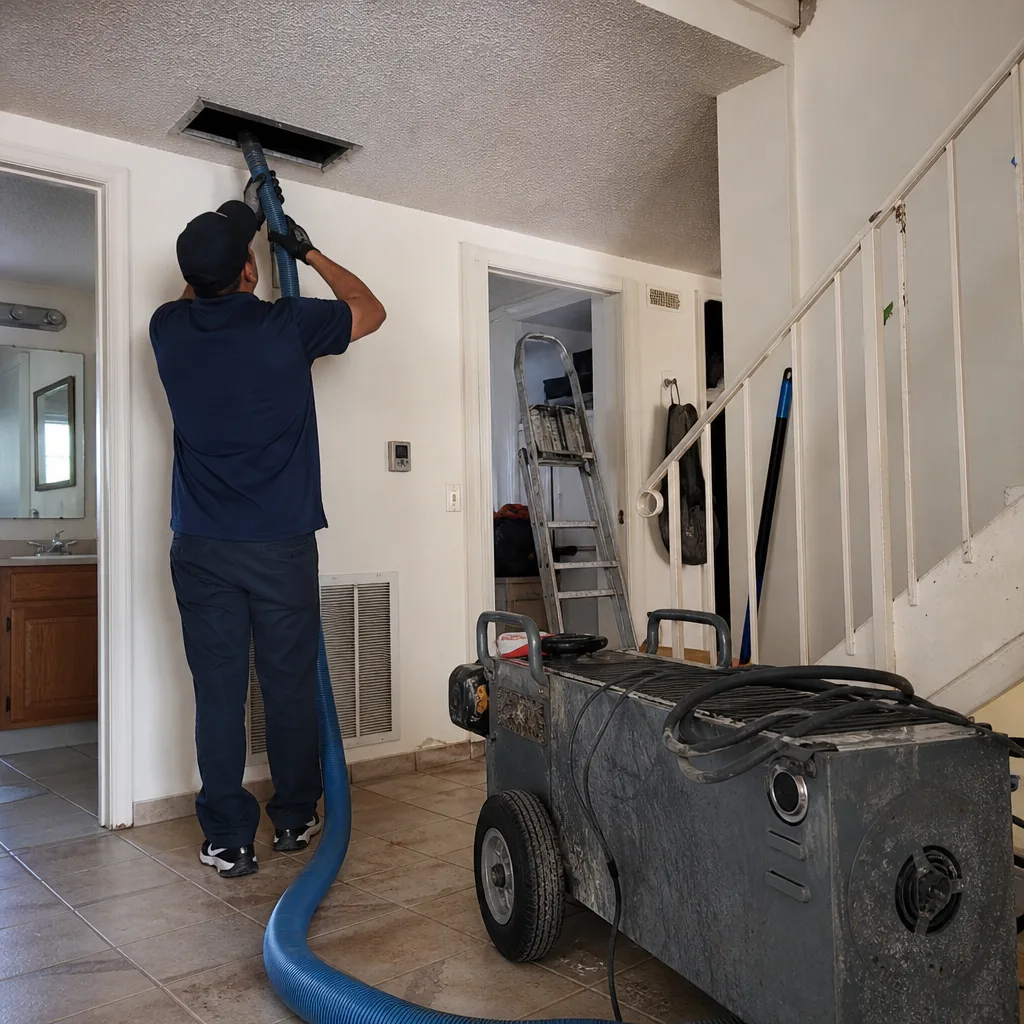 Before
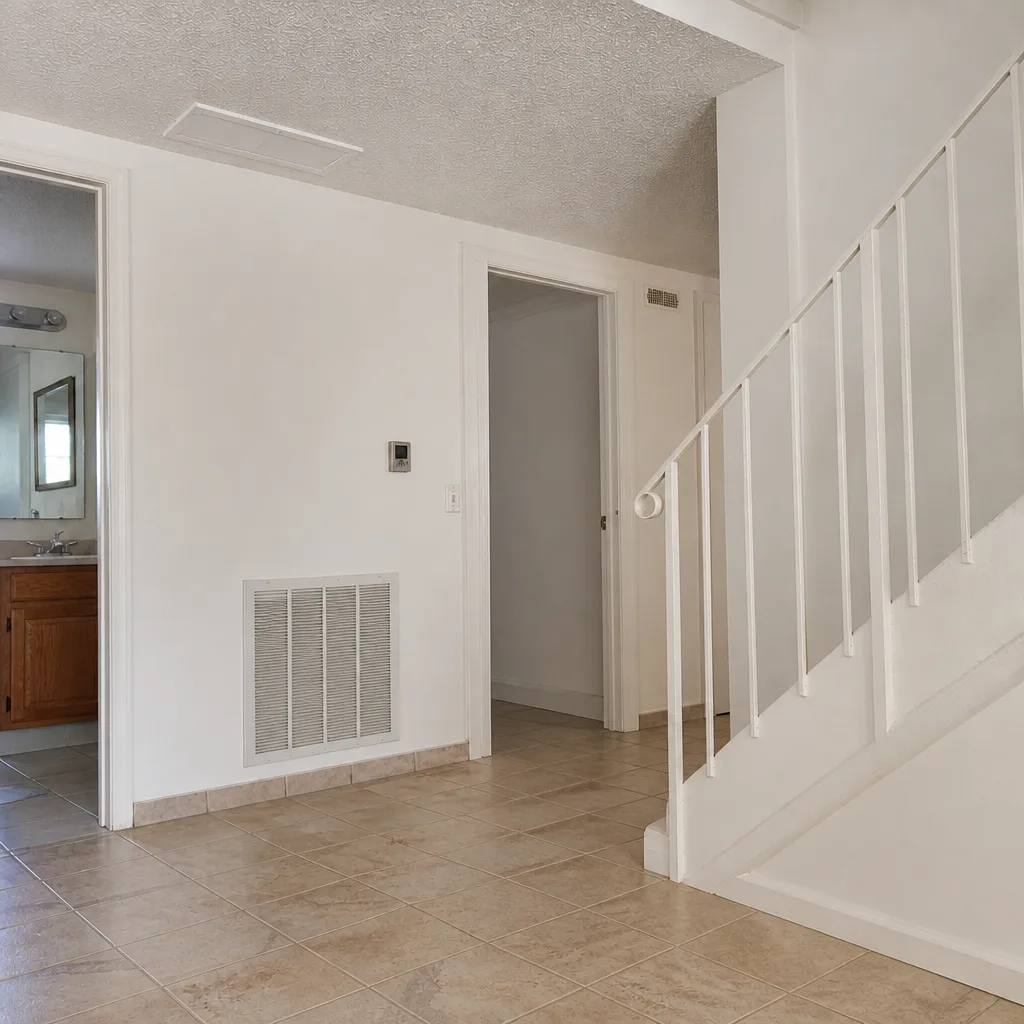 After
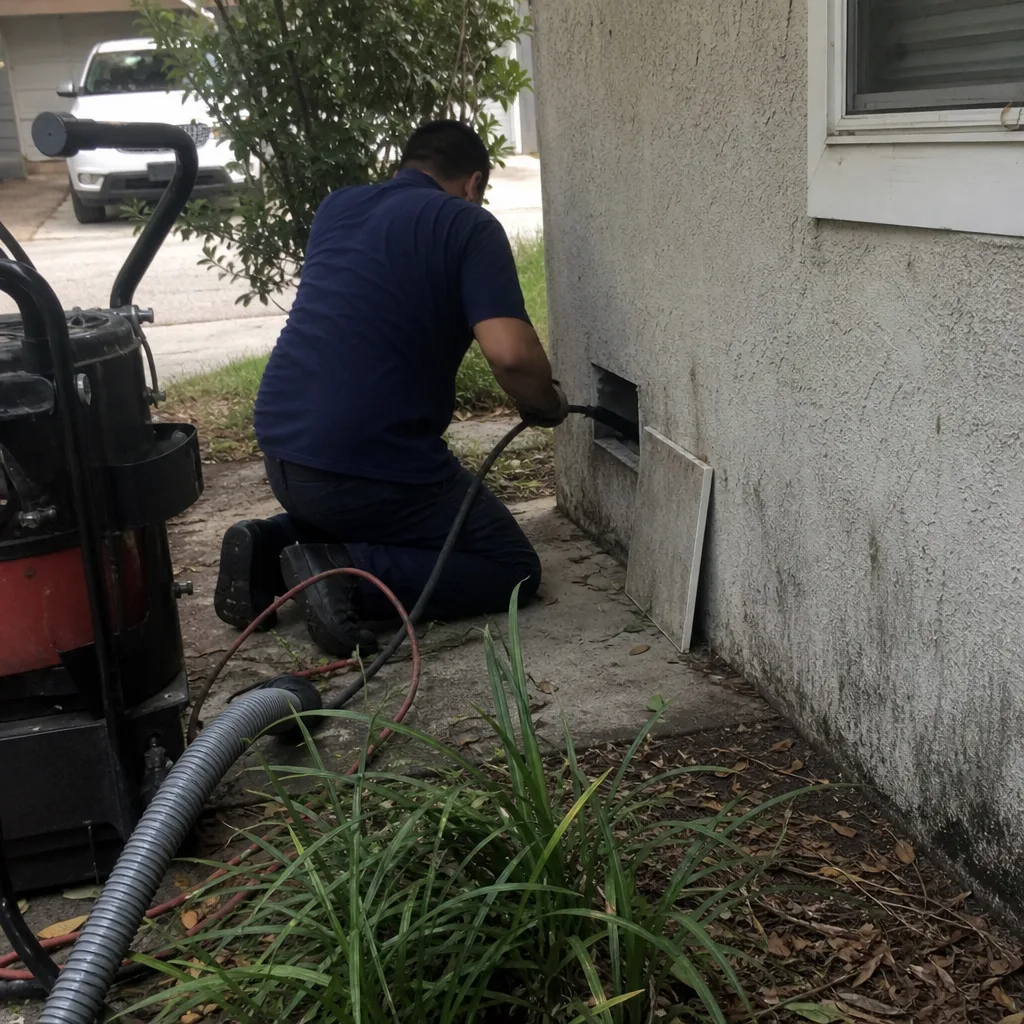 Before
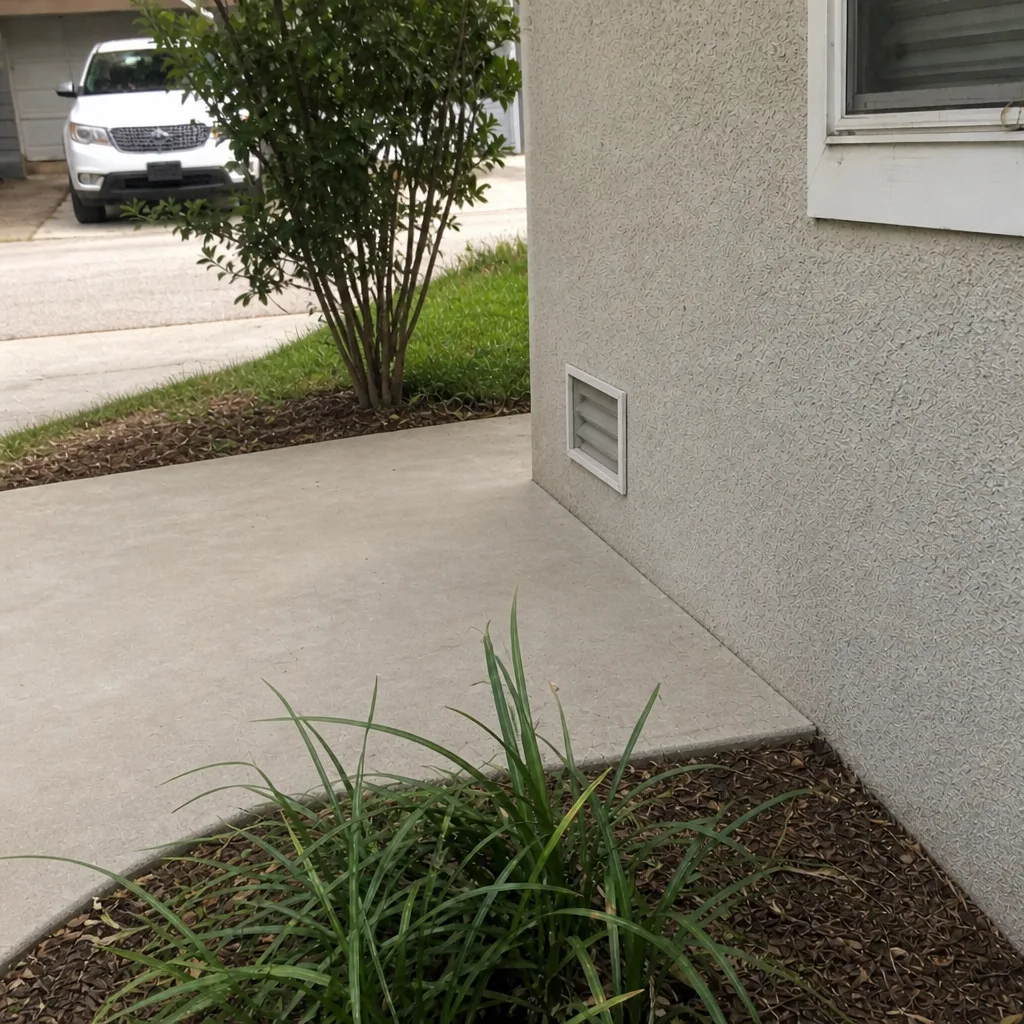 After
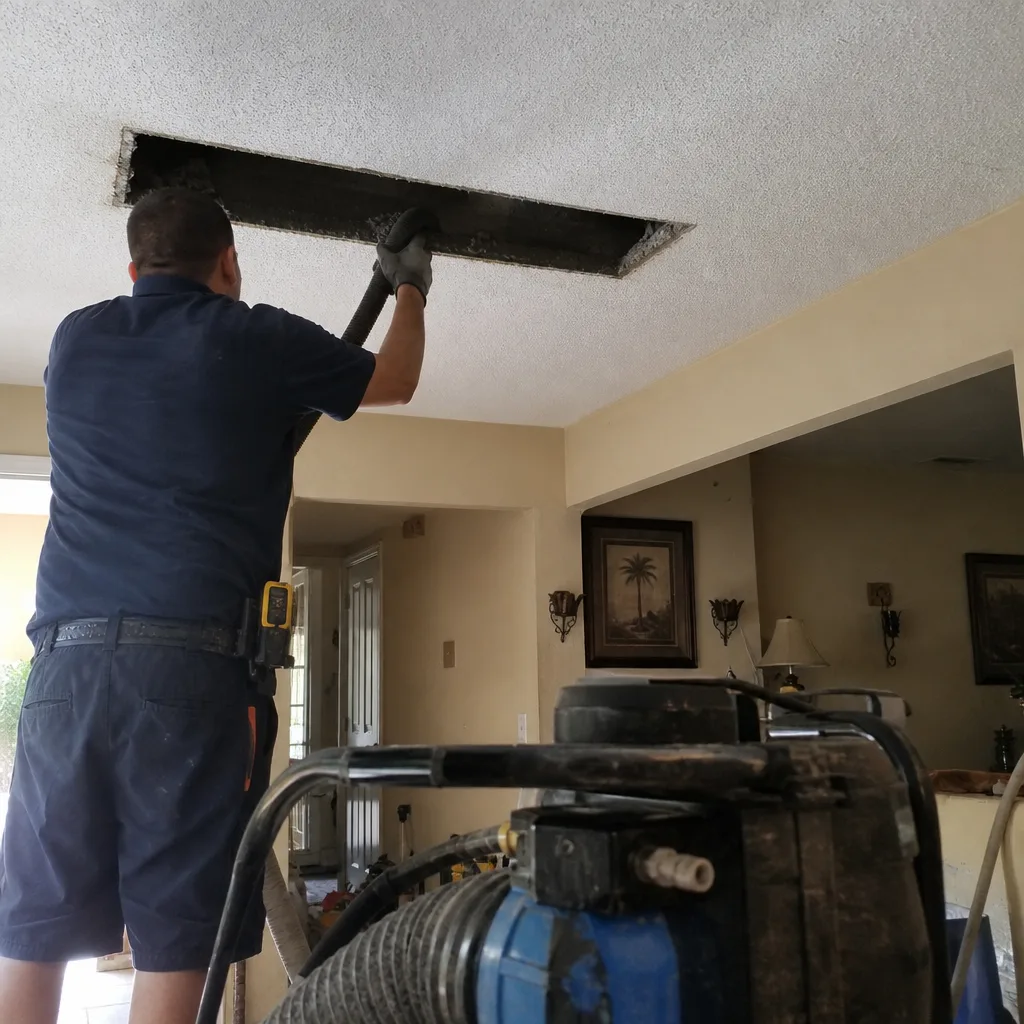 Before
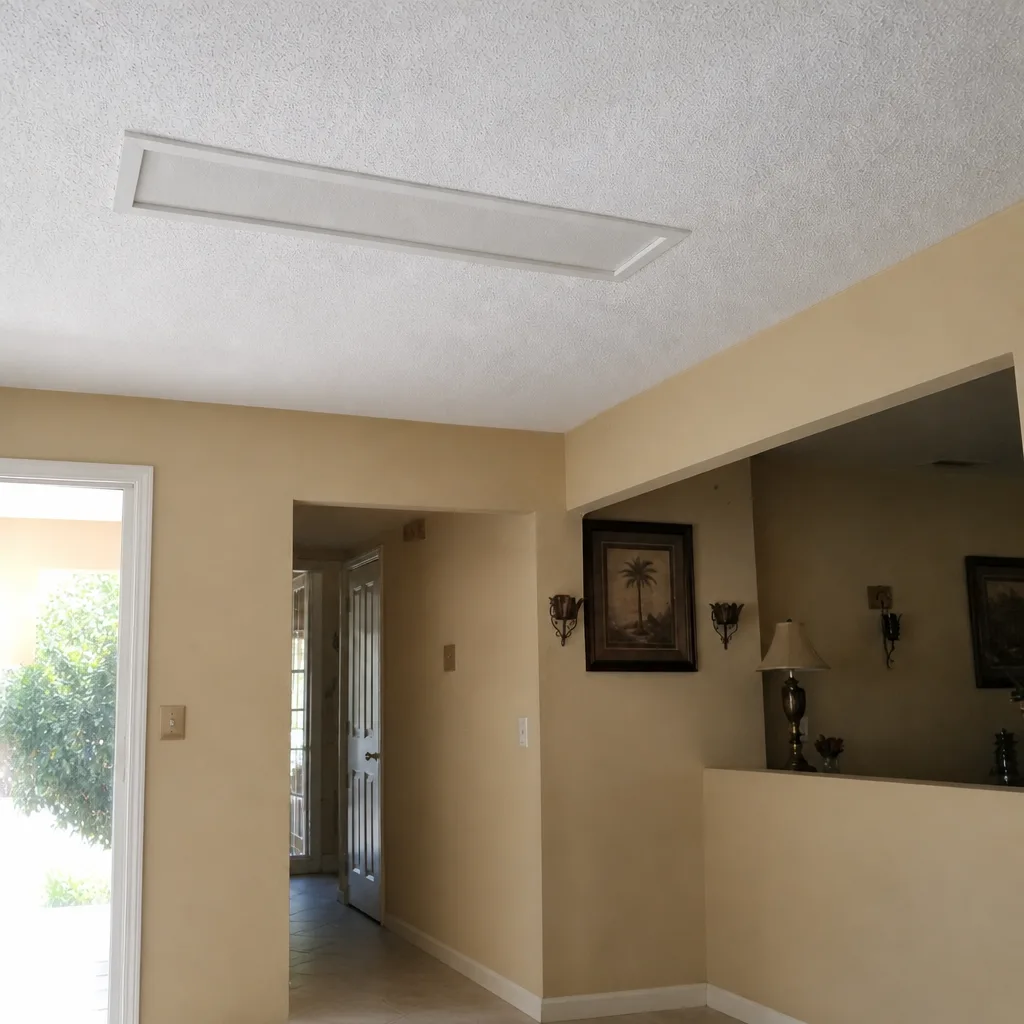 After
When to Call a Professional
Some situations need a call rather than a note in the log. Book a professional when filters start loading noticeably faster than they used to, when airflow at far registers drops, or when a musty smell appears each time the system starts. Post-renovation and post-storm are both triggers regardless of where you are in your cycle. And if your dryer vent hasn’t been cleaned in over a year, or the dryer runs hot, treat it as a priority safety call rather than a comfort item. If you’re in doubt about your interval, an inspection is the honest way to find out. Duct Cleaning Brandon offers free estimates in Brandon – call (844) 834-1263. We answer 24/7, with fast dispatch from 7am to 7pm, Sunday through Friday, closed Saturday.
Frequently Asked Questions
Every two to four years for most Brandon homes, which is shorter than the national three-to-five default because the AC runs close to year-round here. Homes with dogs, smokers, recent renovation, or older flex duct should lean toward every two years, and stack two or more of those and an annual inspection makes sense.
Humidity matters because it keeps the coil and duct interior damp for much of the year, and dust sticks to damp surfaces rather than drifting loosely. That’s part of why Brandon’s curve runs shorter than a dry climate’s. The bigger driver, though, is runtime – more hours of air moving means more debris accumulating per year.
Track your filter loading rate. If a filter that used to last three months now clogs in five or six weeks across two or three changes, that’s a sustained signal to schedule an inspection. A single jump after a renovation or open-window stretch is usually temporary.
Yes, and it’s the simplest way to make sure it happens. Once a year at minimum, and more often for large households or long vent runs. It’s a recognized fire hazard, not just a dryer-efficiency issue, so pairing it with your duct cycle keeps it on schedule.
New construction carries drywall dust and debris through the system, so a first deep clean after move-in is standard practice. After that, a normal two-to-four-year cycle applies, adjusted for any of the household variables above.
A rotary brush system that agitates and extracts debris simultaneously, and a HEPA-filtered vacuum, plus negative air containment to capture dislodged debris rather than spreading it through the house. We use Rotobrush and Nikro systems with Abatement Technologies containment equipment, and we work around Honeywell and Aprilaire air-quality equipment without disturbing it. Ask any service what method they use before you book – if they can’t explain containment, that’s your answer.
The Bottom Line
The national three-to-five-year rule is a starting point written for a different climate. In Brandon, close to year-round cooling runtime, humid summers, and sandy soils all push the practical interval toward two to four years, shorter for homes with pets, smokers, renovation dust, or aging flex duct. Build the year around the transition points – pre-summer inspection, spring and fall filter reviews, post-storm and post-renovation checks – and track filter loading rate to tell you when conditions are changing. Pair dryer vent cleaning with every duct cycle, and keep a log with photos so each visit builds on the last instead of starting from zero. A schedule you maintain beats a rule you forget.
Duct Cleaning Brandon provides air duct cleaning, dryer vent cleaning, and air duct repair, and we bring contractor-grade equipment – not a shop vac – to every job. Call (844) 834-1263 for a free estimate. We answer 24/7. Fast dispatch from 7am to 7pm, Sunday through Friday, closed Saturday.
Written by the team at Duct Cleaning Brandon.