
Last updated November 15, 2026
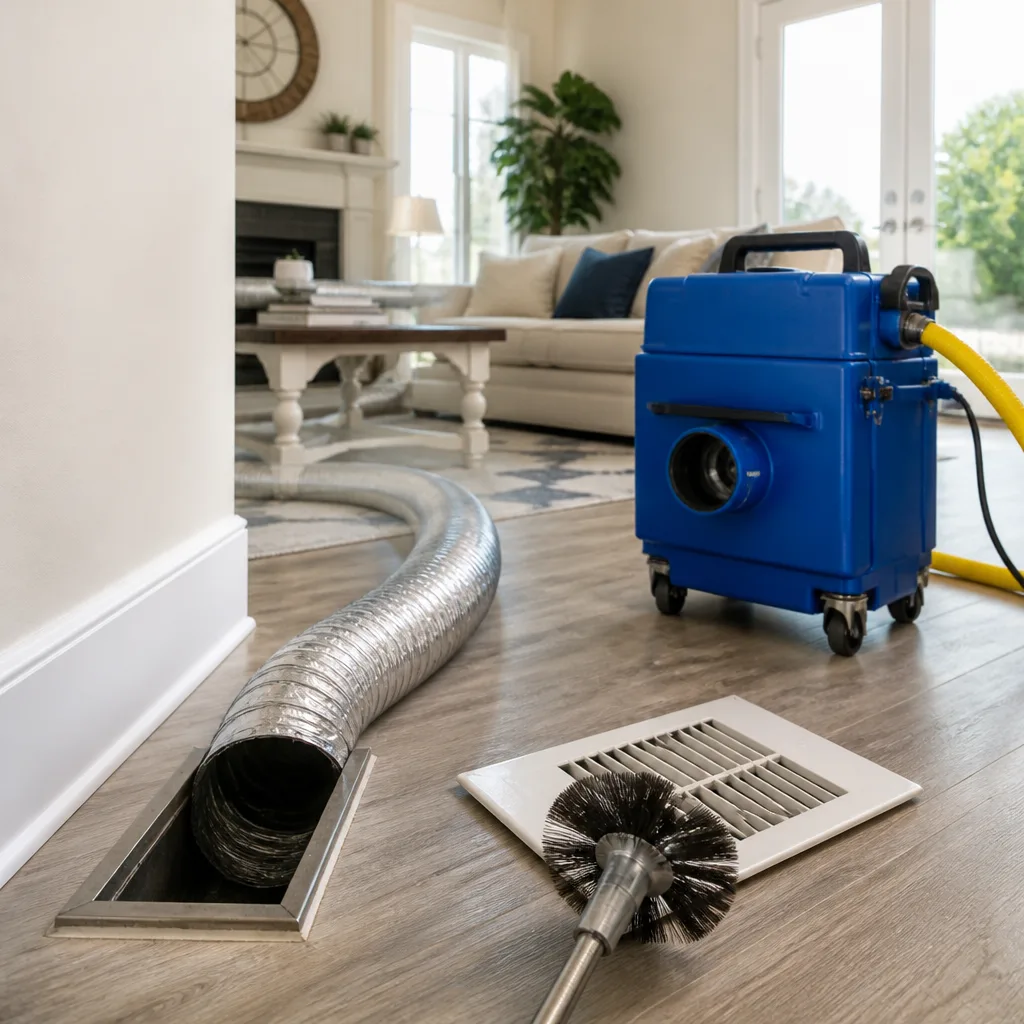 Whole-home duct cleaning
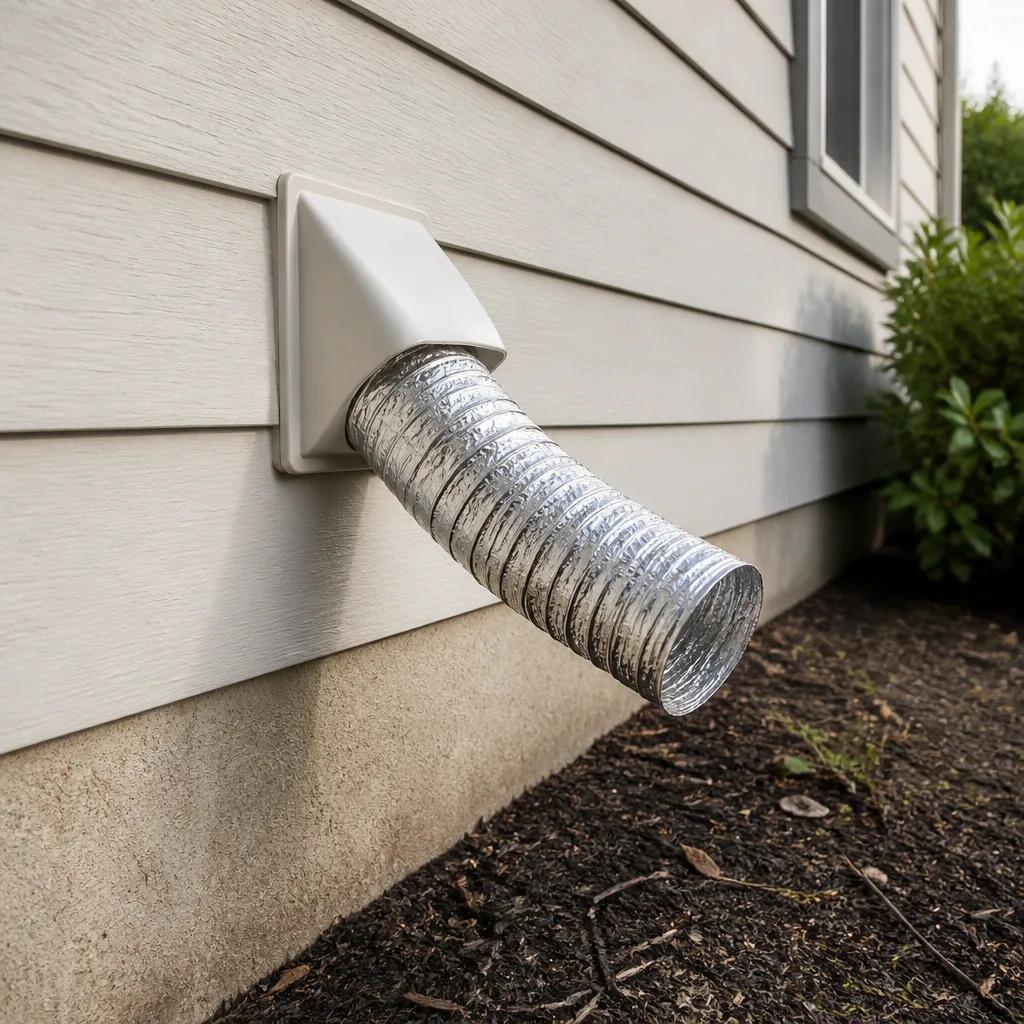 Dryer vent cleaning
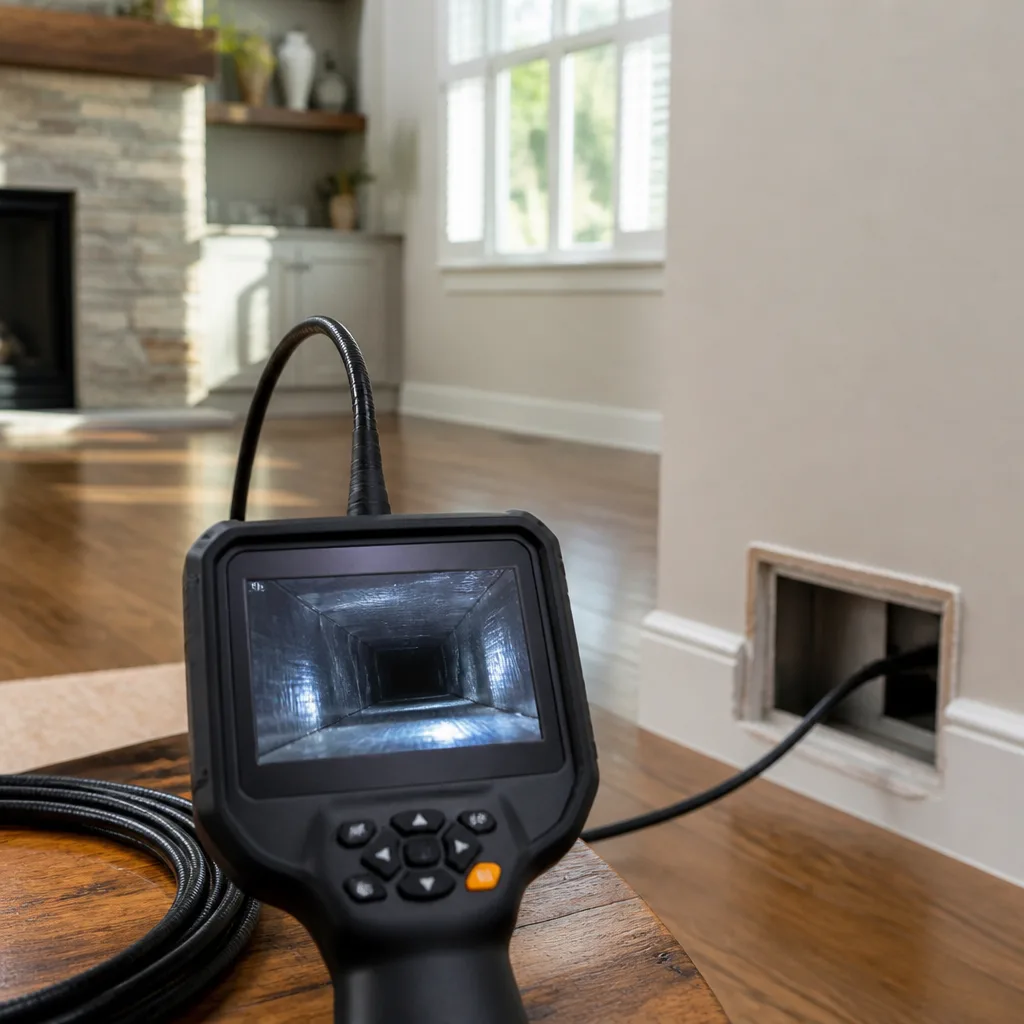 Camera inspection
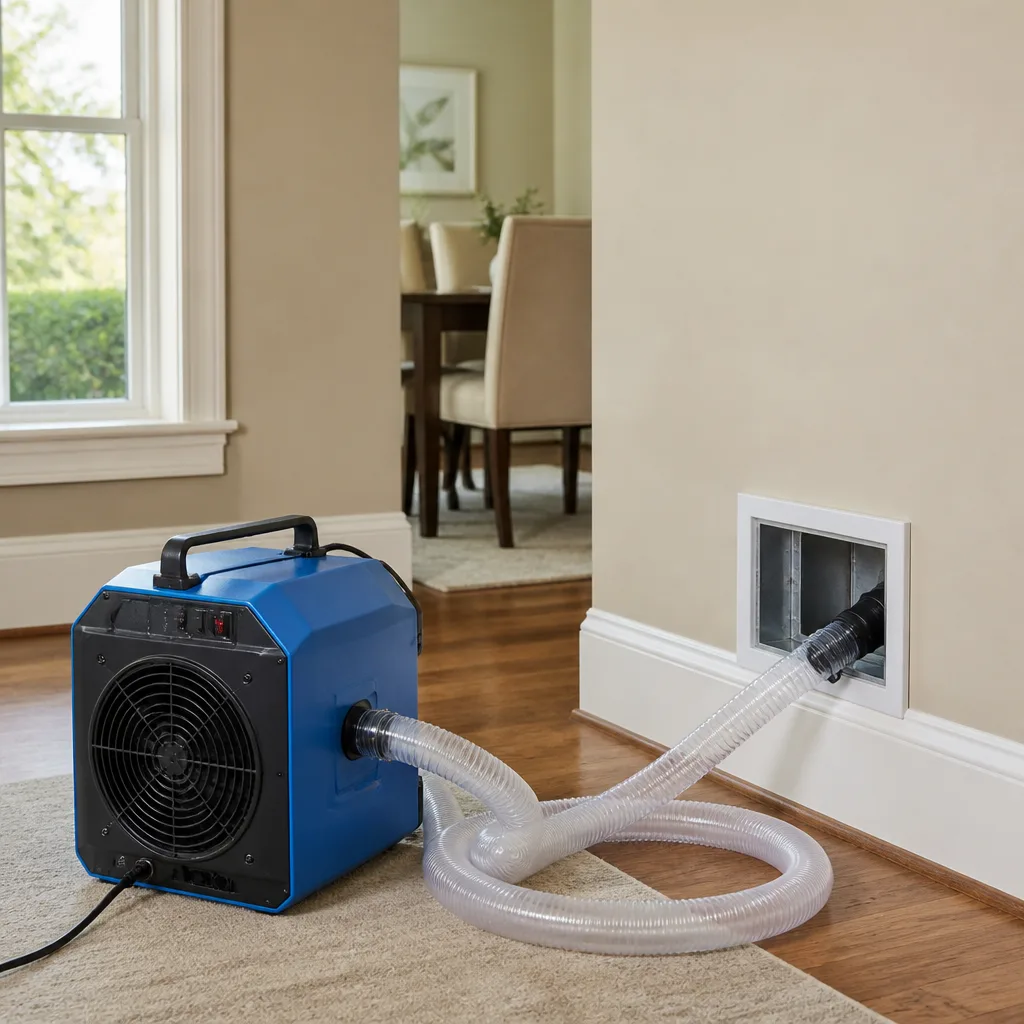 Sanitizing & deodorizing
Whole-system duct and dryer vent check with before-and-after photos - you see exactly what came out of your vents
That "$99 whole-house special" is a bait ad - the real number appears once they are in your hallway, or the "clean" is a shop-vac at the register. We photograph the inside of your ducts before and after instead.
Air Duct Cleaning Troubleshooting in Brandon: Common Problems and How to Fix Them
If your rooms are still dusty two weeks after a duct cleaning, the cleaning wasn’t the problem, and it wasn’t the solution either. That’s the thing most homeowners in Brandon get wrong: they assume every air quality complaint starts with dirty ducts, so they book a cleaning and expect the dust to stop. Sometimes it does. But often the real culprit is mechanical – a crushed flex run behind the drywall, a joint that never got sealed, a return grille packed with debris that no vacuum ever reached. Cleaning doesn’t fix broken ductwork, and broken ductwork makes a fresh cleaning look like a waste of money. This guide teaches you to diagnose the root cause first, before you call anyone.
Quick Answer
Most duct problems in Brandon trace back to one of three causes: debris buildup inside the system, physical damage to the ductwork (collapsed flex duct, disconnected joints, breached seals), or moisture that keeps re-feeding mold and mustiness. Cleaning fixes the first. Only air duct repair fixes the second. And the third won’t stay fixed until the condensation source is addressed. The trick is telling them apart before you spend money – and the airflow and dust tests below walk you through exactly that.
Styles & brands we work with
- Whole-home duct cleaning
- Dryer vent cleaning
- Camera inspection
- Sanitizing & deodorizing
Table of Contents
- Is It a Dirty Duct or a Broken Duct? The Airflow Test
- Why Rooms Are Still Uneven After a Cleaning
- When You Need a Mechanical Brush vs. Vacuum Extraction
- Brandon Humidity and Why Mold Comes Back
- Camera Inspection vs. Visual Register Check
- Dryer Vent Problems That Masquerade as Duct Problems
- Five Checks Any Homeowner Can Do Safely
- The Right Order to Fix Things
Is It a Dirty Duct or a Broken Duct? The Airflow Test
Start here, because this one test saves the most wasted money. A dirty duct restricts airflow gradually and evenly – every register in the house feels a little weak. A broken duct, meaning a collapsed or disconnected run, kills airflow to specific rooms while the rest of the house feels normal or even strong. That difference is your first diagnostic clue, and you don’t need a tool to feel it. Walk room to room with the system running and hold a tissue or your palm up to each supply register. Note which ones push hard and which ones barely move air.
Here’s how to read the results:
- Every register weak: likely a dirty filter, a dirty blower, or overall debris buildup. Straightforward cleaning territory.
- One or two registers dead, rest normal: likely a collapsed, disconnected, or blocked run serving those rooms. Cleaning won’t help – this is air duct repair.
- Strong airflow everywhere but dust persists: likely leakage at joints pulling attic or wall-cavity air into the system before it reaches the register.
- Airflow good, but the air smells musty: likely moisture. Skip to the humidity section below.
In Brandon, the flex-duct collapse pattern is common in homes with attic runs, where summer heat softens the duct and a poor support strap lets it sag and pinch. If you find a dead register, resist the urge to crank the thermostat. That fixes nothing and pushes the system harder. Note it and move to the next test.
Why Rooms Are Still Uneven After a Cleaning
Uneven temperatures after a cleaning almost always point to duct leakage at the joints, not residual debris. This surprises people – they paid for a clean system, so why is the back bedroom still five degrees warmer? The answer is that debris was never the temperature problem. Leakage was. Every gap at a collar, a boot, or a seam leaks conditioned air into the attic or wall cavity before it ever reaches the room. In a Brandon summer, that lost cool air is replaced by hot, humid attic air pulled in through the same gaps, so the room feels warm and clammy at once.
You can spot leakage without tearing anything open. Look for these signs:
- Dust streaks at the edges of supply registers, where air is escaping around the boot
- Grime lines on the ceiling or wall near a register, often shaped like a faint halo
- Attic insulation darkened or matted right above a duct run
- Rooms at the end of the longest runs that never quite cool, no matter the setting
The reason a cleaning alone doesn’t correct this is simple: cleaning removes what’s inside the duct. It doesn’t seal what’s outside it. That’s why we treat air duct repair as its own service rather than an upsell at the end of a cleaning – the diagnosis belongs first. If your Brandon home has original flex duct in a hot attic, joint leakage is closer to the rule than the exception, and the fix is sealing the breaches, not cleaning a second time. See our full air duct cleaning service page for how cleaning and sealing fit together.
When You Need a Mechanical Brush vs. Vacuum Extraction
The symptom that tells you a mechanical brush is needed is a coating that clings – debris stuck to the duct wall rather than lying loose on the bottom. Loose dust and dry construction grit come out with vacuum extraction alone. But sticky buildup, whether from years of cooking grease, humid air, or a previous moisture issue, bonds to the inside of the duct and laughs at suction. That’s where a rotary brush earns its keep, and it’s the difference between a surface cleaning and a real one.
Here’s how to tell which situation you’re in:
- Dry, loose, gray dust: vacuum extraction with strong negative pressure usually handles it.
- Dark, tacky, or greasy coating: needs a mechanical brush to agitate the debris loose before extraction.
- Visible fuzz or fiber matting: brush + high-filtration vacuum, and check the duct lining isn’t failing.
- Post-renovation drywall dust: heavy loose debris; source-capture vacuum keeps it from blowing back into living space.
This is why we run Rotobrush and Nikro systems rather than a shop vac. The Rotobrush rotary brush agitates and extracts in the same pass, and a Nikro HEPA-filtered vacuum captures fine particulate at the source instead of venting it back into the room. Paired with Abatement Technologies negative-air containment, dislodged debris stays captured. If a company shows up with a consumer-grade vacuum and no containment, you can predict the outcome: the dust you paid to remove gets redistributed through the house. Ask what equipment they’ll use before you book. Our duct cleaning in Brandon overview explains the full method.
Brandon Humidity and Why Mold Comes Back
Mold reappearing a few weeks after a cleaning in Brandon is almost never a cleaning failure – it’s a moisture source that was never addressed. Brandon’s summer air is heavy with humidity, and the coolest real estate in your house is the inside of a supply duct. Warm, moist air finds its way to that cold surface, condenses, and gives mold exactly what it needs to grow back on a surface that was spotless when the technician left. You can clean the duct a hundred times. If condensation keeps wetting it, the growth returns.
The root causes worth checking are usually one of these:
- Condensation on supply ducts: cold ducts sweating in a hot attic or crawlspace, often from missing or failed insulation wrap.
- High indoor humidity: if the house runs humid, the whole system runs wet. Whole-home dehumidification or a properly set air handler matters here.
- Wet return air: a return pulling air from a damp garage, crawlspace, or bathroom rather than conditioned space.
- Oversized or short-cycling AC: the system cools fast but doesn’t run long enough to pull humidity out.
This is where familiarity with Honeywell and Aprilaire air-quality systems helps. If your home already runs a whole-house humidistat or dehumidifier, the settings and the ductwork interact, and cleaning around that equipment without disturbing calibration takes someone who knows it. When we see recurring mold in a Brandon home, we don’t just clean and leave – we point to the moisture source, because a cleaning that ignores condensation is a cleaning you’ll pay for again next year.
Camera Inspection vs. Visual Register Check
The rule of thumb is straightforward: a visual register check settles the “is it dirty?” question, and a camera inspection settles the “is it broken?” question. A visual check is what any technician can do with the grilles off and a flashlight – look down the visible run, check the boot, confirm the register is clear. It’s quick, it’s free with most estimates, and it catches obvious debris and blocked grilles. A camera inspection goes where your eye can’t, down the full run to find collapsed sections, disconnected joints, and hidden blockages behind walls.
When does a camera inspection earn its cost? Reach for it when:
- The airflow test shows one or more dead registers but nothing visible at the grille
- A run disappears into a wall or attic and you can’t see its condition
- Post-cleaning dust persists in one room with no clear source
- You’re buying a home and want the ductwork condition documented before close
- A previous company’s cleaning didn’t move the needle and you need proof of why
A visual check is cheap and often enough. A camera inspection costs more, and it’s worth it when you’re chasing a specific failure rather than general maintenance. We’ll tell you which one your situation calls for at the free estimate – the written estimate sets the final price, and there’s no reason to pay for a camera when a visual check already answers the question. For property managers across Brandon, a documented camera inspection before and after repair is also useful proof for owners.
Dryer Vent Problems That Masquerade as Duct Problems
Some “duct problems” aren’t duct problems at all – they’re dryer vent problems, and they carry a real safety edge. A dryer that takes two cycles to dry a load, or a laundry room that feels humid and hot after a run, often points to a clogged dryer vent rather than the HVAC ducts. Lint buildup in the vent line restricts exhaust airflow, which slows drying and traps heat, and that combination is a recognized fire hazard. Most general duct cleaners skip the dryer vent entirely. We treat it as its own service, because it addresses a real risk and doesn’t belong on the back of an HVAC cleaning.
Signs it’s the dryer vent, not the ducts:
- Clothes take longer than one cycle to dry
- The dryer or the laundry room gets unusually hot
- No lint on the outside vent flap, or the flap doesn’t open fully
- A burning or scorched smell during a drying cycle – stop using it and have the vent checked
If any of those fit, book dryer vent cleaning separately from your duct work. It’s a different line, a different tool set, and a different concern. Handling both in one call is convenient, but it’s the diagnosis that matters – knowing which system is failing tells you which service to book.
Five Checks Any Homeowner Can Do Safely
You don’t need to climb into an attic or open a panel to gather useful information. These five checks are safe, quick, and give a technician a real head start:
- Register airflow test. Hold a tissue to each supply register with the system running. Note the weak ones by room name.
- Filter check. Pull the filter and hold it to the light. If you can’t see through it, replace it – a clogged filter mimics a dirty-duct problem.
- Return grille inspection. Look behind the return grilles. A return packed with dust and hair starves the whole system, and it’s easy to miss during a surface check.
- Dust pattern check. Look for grime streaks or halos near registers and grilles – a leakage clue you can spot from the floor.
- Smell test. Run the fan on its own and note any musty or chemical smell and which room it comes from. The smell location is a diagnostic clue.
What you should not do is open the air handler, reach into duct runs, or attempt to repair a disconnected joint yourself. On top of the mechanical risk, duct systems and any electrical controls attached to them deserve a trained hand, and a bad repair re-contaminates a clean system. Gather the information above, then hand it to a professional who can act on it with the right tool.
The Right Order to Fix Things
Getting the order wrong is how people waste money on a second cleaning. The sequence that makes sense is diagnose, then repair what’s broken, then clean the full system, then address moisture and air-quality controls. Here’s why the order matters: if you clean a system with a disconnected run, the cleaning pulls debris that immediately blows back out the breach – and the freshly cleaned ducts re-contaminate before the week is out. Repair first, so the system is sealed and the cleaning you pay for actually holds.
Once cleaning is done and the system is tight, the moisture and filtration questions come next:
- Confirm supply ducts are insulated and not sweating at condensation points
- Check indoor humidity and address it with proper dehumidification if it stays high
- Review filter selection and any whole-home air-quality equipment, and set it correctly
- Keep up with filter changes, since a dirty filter undoes a lot of good work over time
That last step is where experience counts. Our technicians have up to 14 years of experience, and in that time the pattern is consistent: homes that repair and seal before cleaning, and then manage humidity afterward, are the ones that don’t call back six months later with the same complaint. The system has to be whole before it’s clean, and it has to be dry before it stays clean.
Common Mistakes to Avoid
- Cleaning before diagnosing. If a run is collapsed, cleaning it twice won’t change a thing. Do the airflow test first, then book the right service.
- Buying a teaser coupon price sight unseen. A low advertised number that grows into a much larger invoice on site is the classic bait-and-switch. Ask for a flat price per system agreed before work starts.
- Assuming dust after cleaning means the cleaning failed. It often means a joint is leaking or a return is clogged. Look for the mechanism, not just the dust.
- Ignoring a musty smell in Brandon’s humid months. Smell means moisture, and cleaning a wet system without finding the source just starts the cycle over.
- Letting a generalist skip your dryer vent. Lint buildup is a safety issue, and most duct cleaners don’t touch the dryer line. Book it as its own service.
- Paying for camera work on speculation alone. Ask what the inspection is looking for and why a visual check isn’t enough for your situation.
- Judging the job without proof. If you can’t see before-and-after photos of your own ducts, you can’t know what was actually done. Ask for them.
See the difference
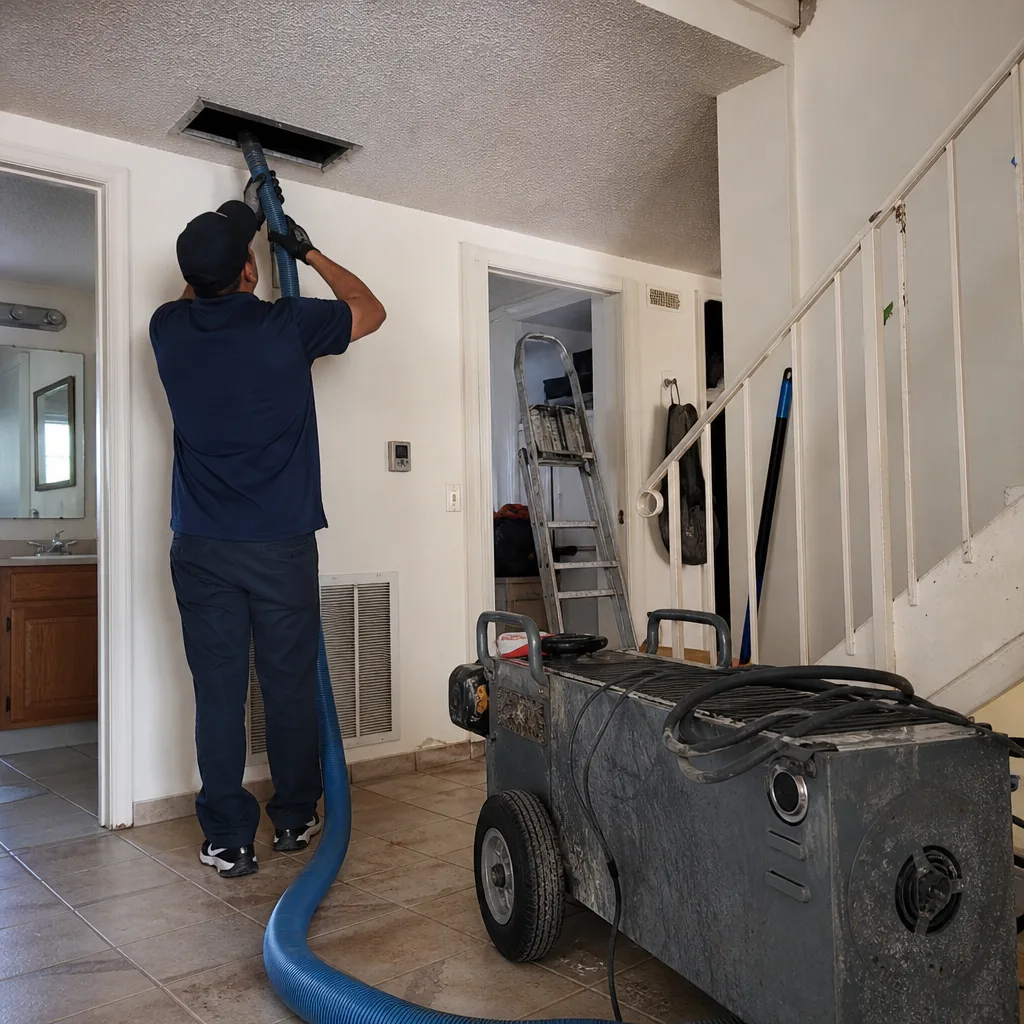 Before
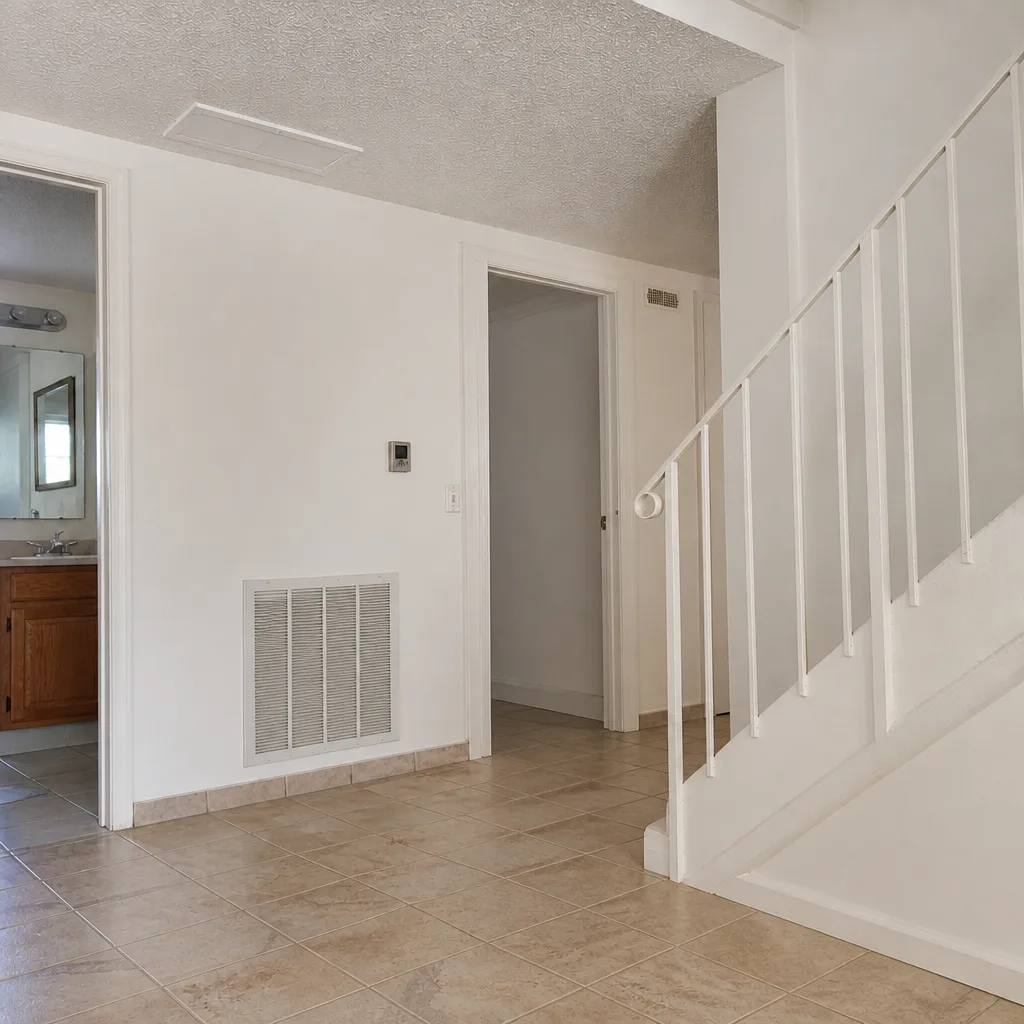 After
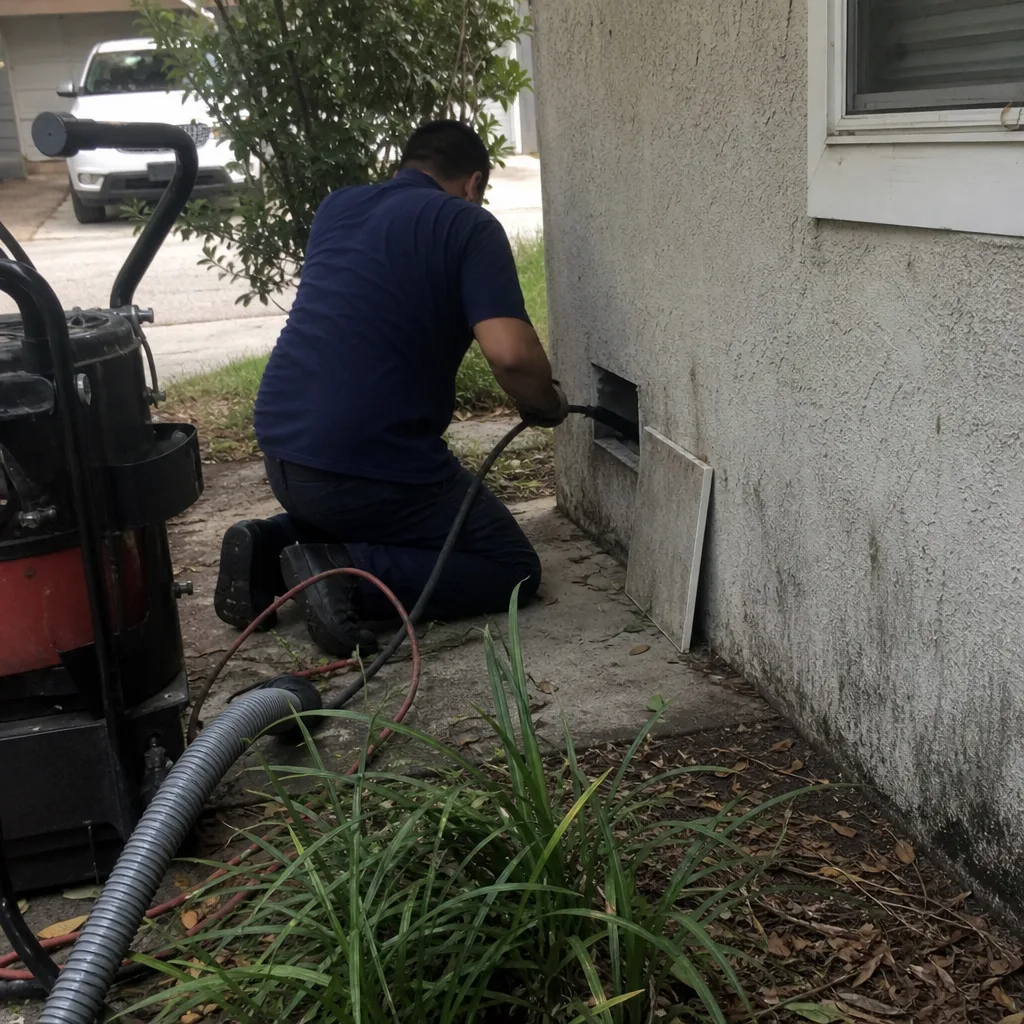 Before
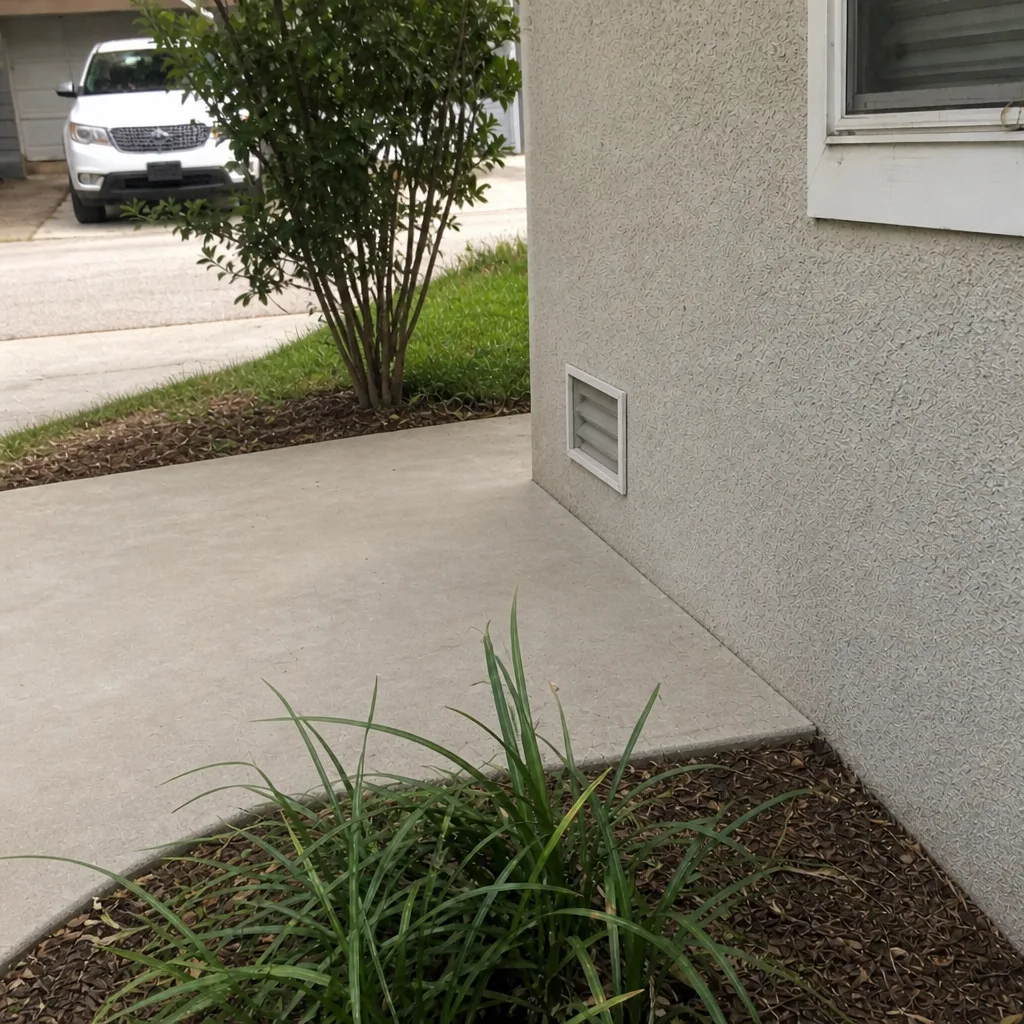 After
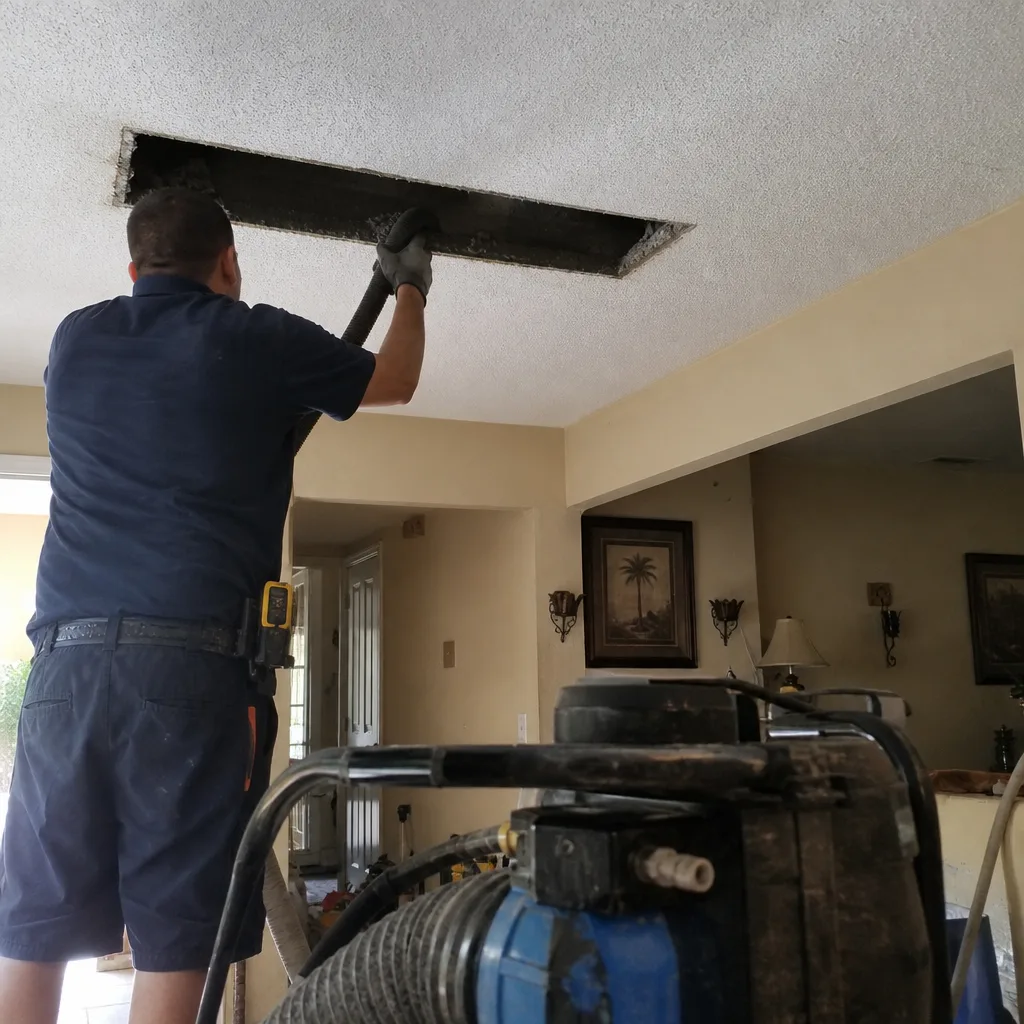 Before
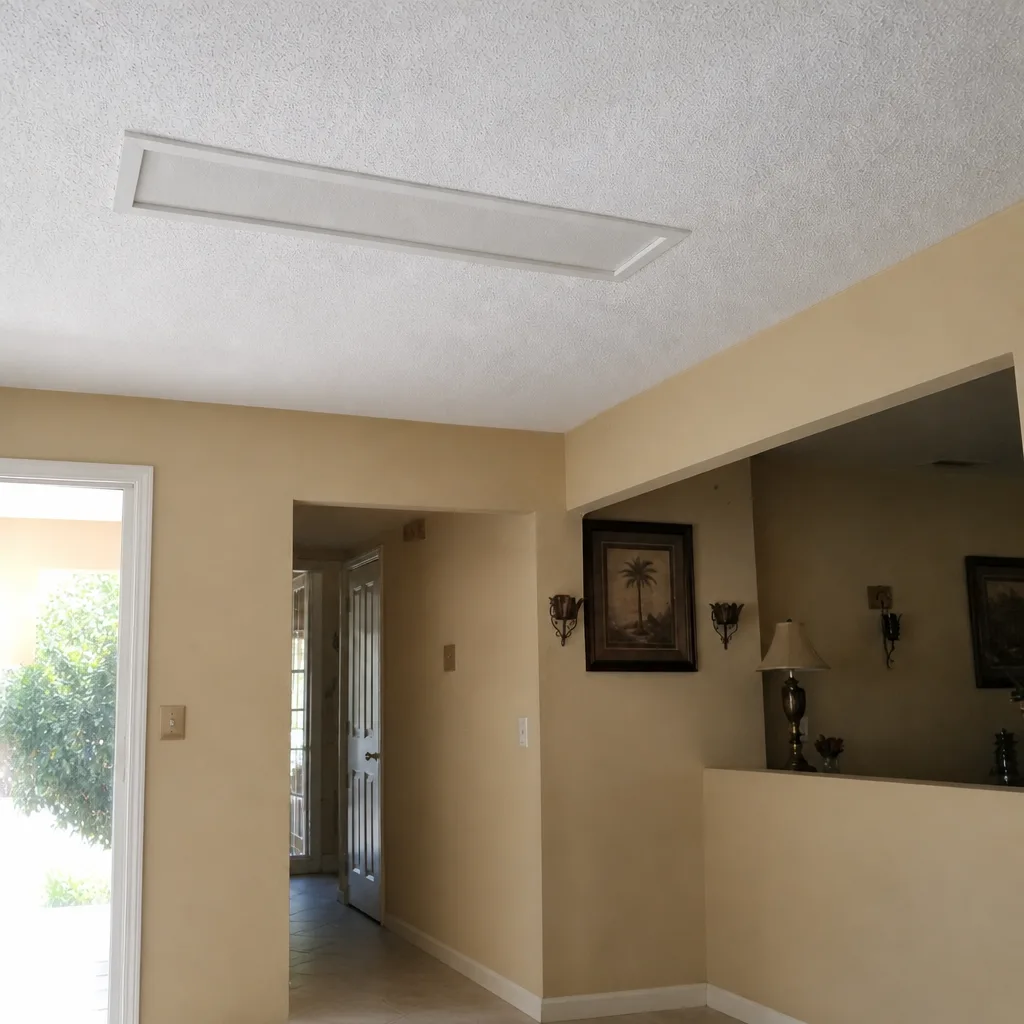 After
When to Call a Professional
Call when you’ve found a dead register that a filter change won’t fix, when a musty smell returns weeks after a cleaning, when post-renovation dust won’t settle, when your dryer takes two cycles to dry a load, or when you’re buying a Brandon home and want the ductwork documented before the sale. Any one of those is enough reason to get an expert eye on the system rather than guess. Duct Cleaning Brandon offers free estimates in Brandon – call (844) 834-1263. We answer 24/7, with fast dispatch from 7am to 7pm, Sunday through Friday. We’ll tell you whether you’re looking at cleaning, repair, or both, and the written estimate sets the final price.
Frequently Asked Questions
The most common reason is that the actual cause wasn’t debris – it was a breached seal, a disconnected run, or a clogged return grille letting dirt back in. Cleaning removes what’s inside the ducts; it doesn’t seal leaks or reconnect broken runs. Run the register airflow test: if one or two rooms are dead while the rest are strong, you’re dealing with a mechanical failure that cleaning alone can’t fix.
There’s no honest one-size figure, because the price depends on system size, how many runs and returns, how much buildup there is, and whether repair is involved. What you should insist on is one flat price per system, agreed before work starts, with no per-vent pricing that balloons on site. Call (844) 834-1263 for an exact quote – estimates are free.
Cheap quotes usually reflect what’s missing: consumer-grade vacuums instead of professional equipment, no negative-air containment, and a per-vent price that grows once the technician is on site. Ask any company what equipment they use and for before-and-after photos of your own ducts. If a price is that low, something in the process has been left out. Call (844) 834-1263 for a straight answer on what a full-system job involves.
You ask for proof: before-and-after photos of your own ducts, a clear explanation of the equipment used, and a look inside the system yourself if you want. A real job leaves evidence. If you can’t see the difference, you have your answer. Call (844) 834-1263 to book an estimate and ask what you’ll get to see.
There’s no fixed calendar answer. Most homes benefit from a full-system cleaning when they move in, after a renovation, or when buildup is visible – not on a rigid yearly schedule. Homes with pets, heavy dust, or recent construction tend to need it sooner. If you’re unsure, a free estimate will tell you whether your system actually needs it now. Call (844) 834-1263.
Cleaning removes what’s there, but in Brandon’s humidity, mold comes back if the moisture source isn’t addressed – usually condensation on cool supply ducts or high indoor humidity. The durable fix is to find and correct the moisture, then clean. We don’t offer mold remediation, so if growth is in the ducts, we’ll tell you plainly and point you to the right specialist. Call (844) 834-1263 to talk through what you’re seeing.
The Bottom Line
Most duct complaints in Brandon break down to three real causes: debris, damaged ductwork, or moisture, and each one has a different fix. Cleaning handles debris. Repair handles collapsed and disconnected runs. Moisture control keeps a clean system from going musty again. The airflow and dust tests in this guide let you narrow down which one you’re facing before you spend a dollar – and that diagnosis is worth more than a coupon discount. Fix what’s broken, seal what’s leaking, clean the whole system, then manage humidity. That order saves the second cleaning. When you’re ready, call (844) 834-1263 for a free estimate.
Call Duct Cleaning Brandon at (844) 834-1263 for a free estimate. We answer 24/7, with fast dispatch 7am to 7pm, Sunday through Friday. One flat price per system, agreed before work starts, and before-and-after photos of your own ducts so you can see exactly what you paid for.
Written by the team at Duct Cleaning Brandon.