
Last updated November 15, 2026
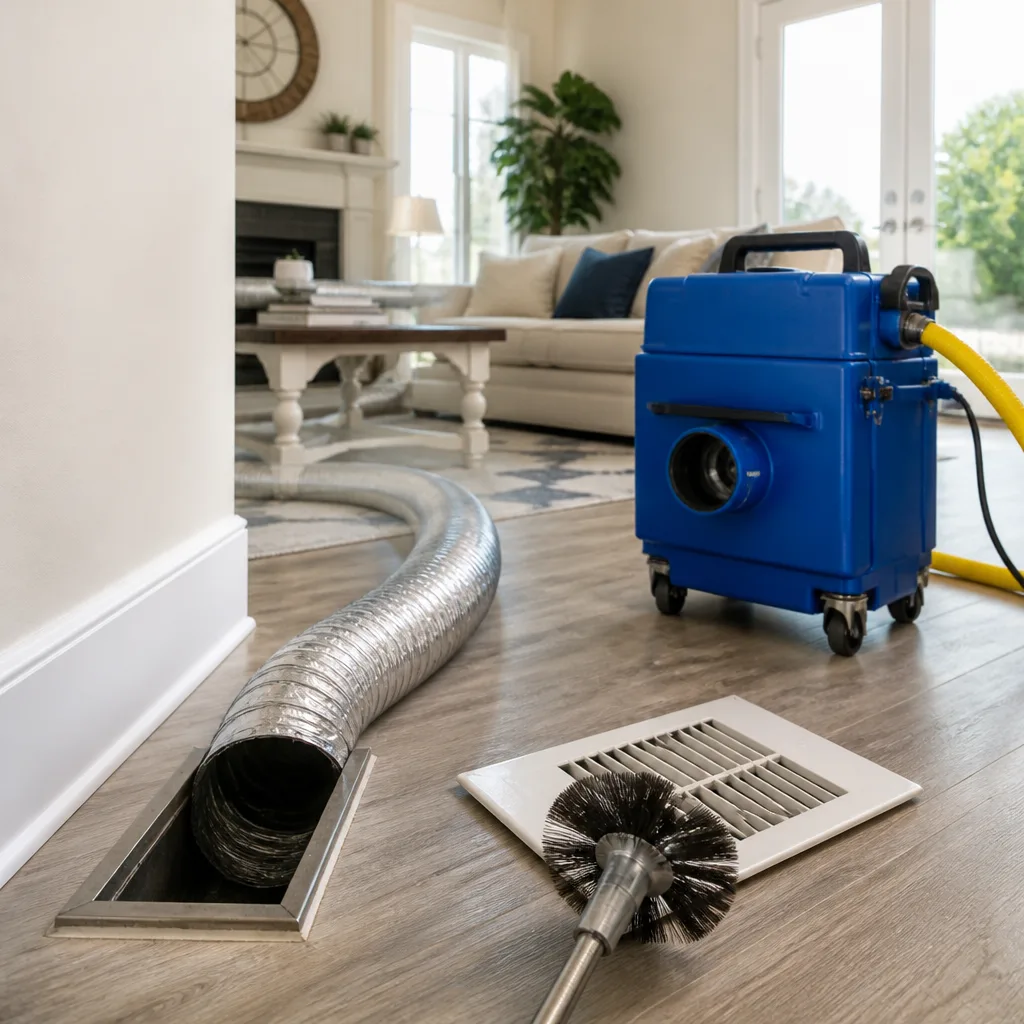 Whole-home duct cleaning
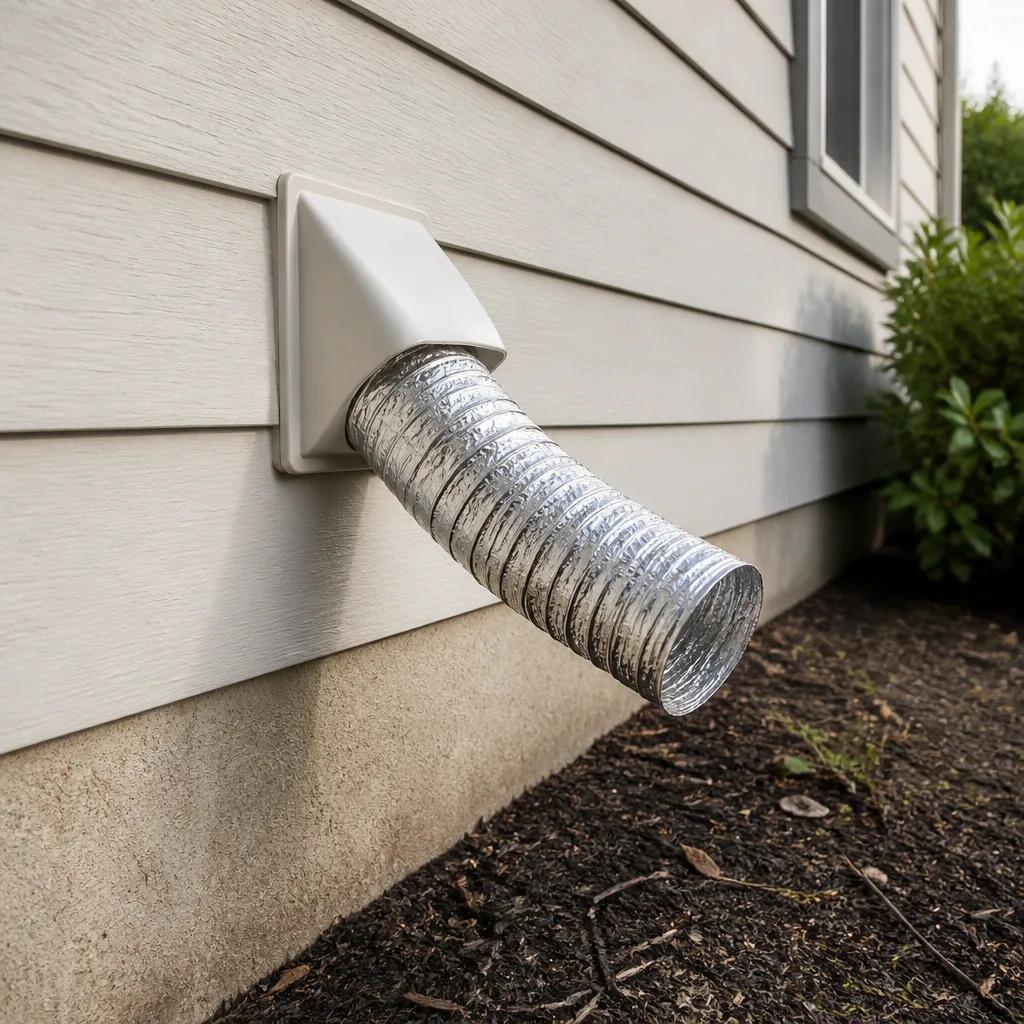 Dryer vent cleaning
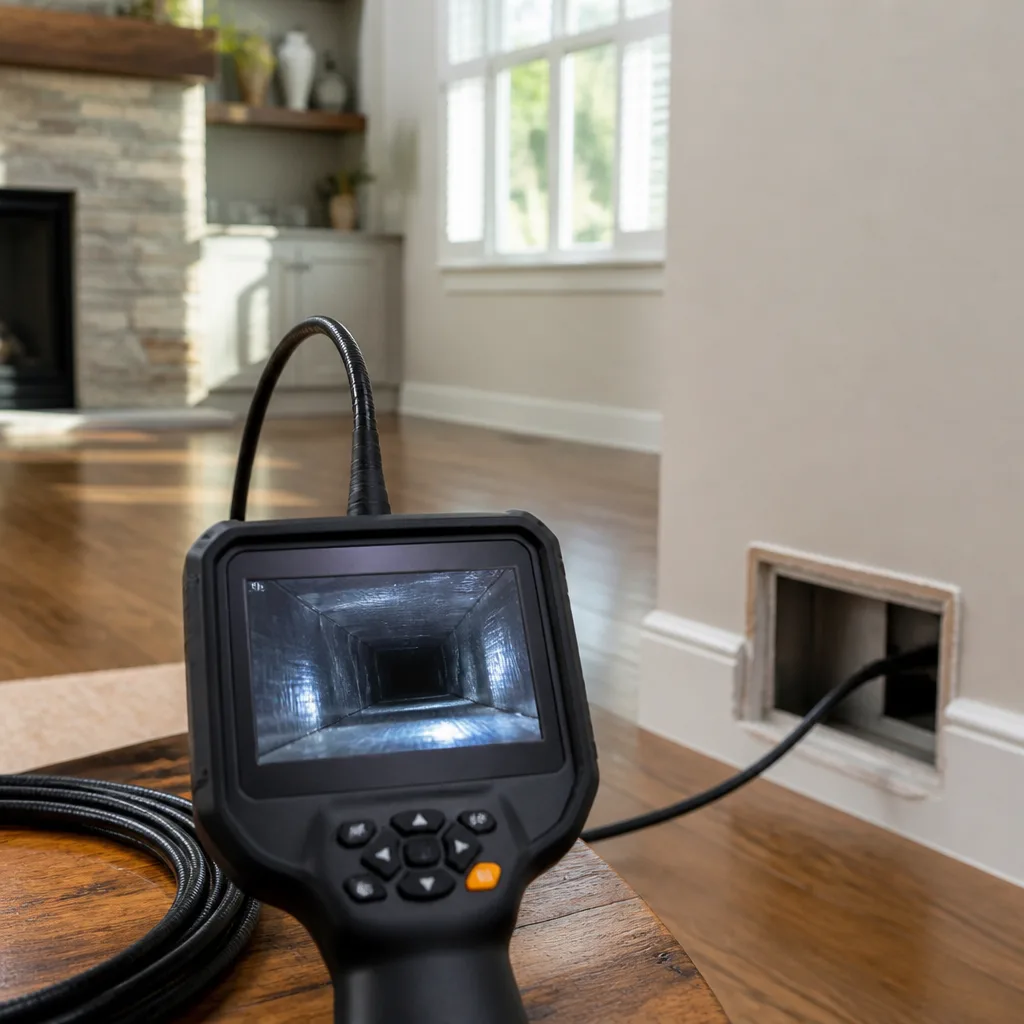 Camera inspection
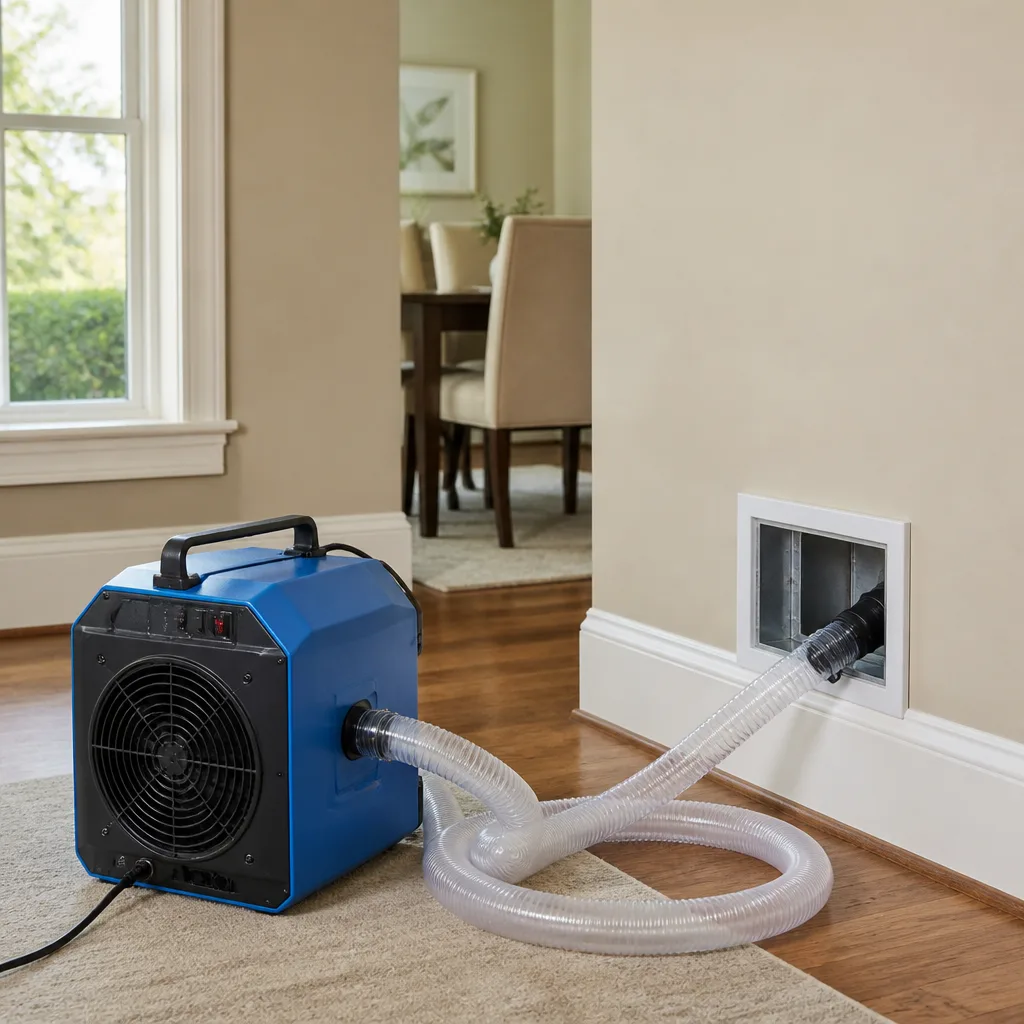 Sanitizing & deodorizing
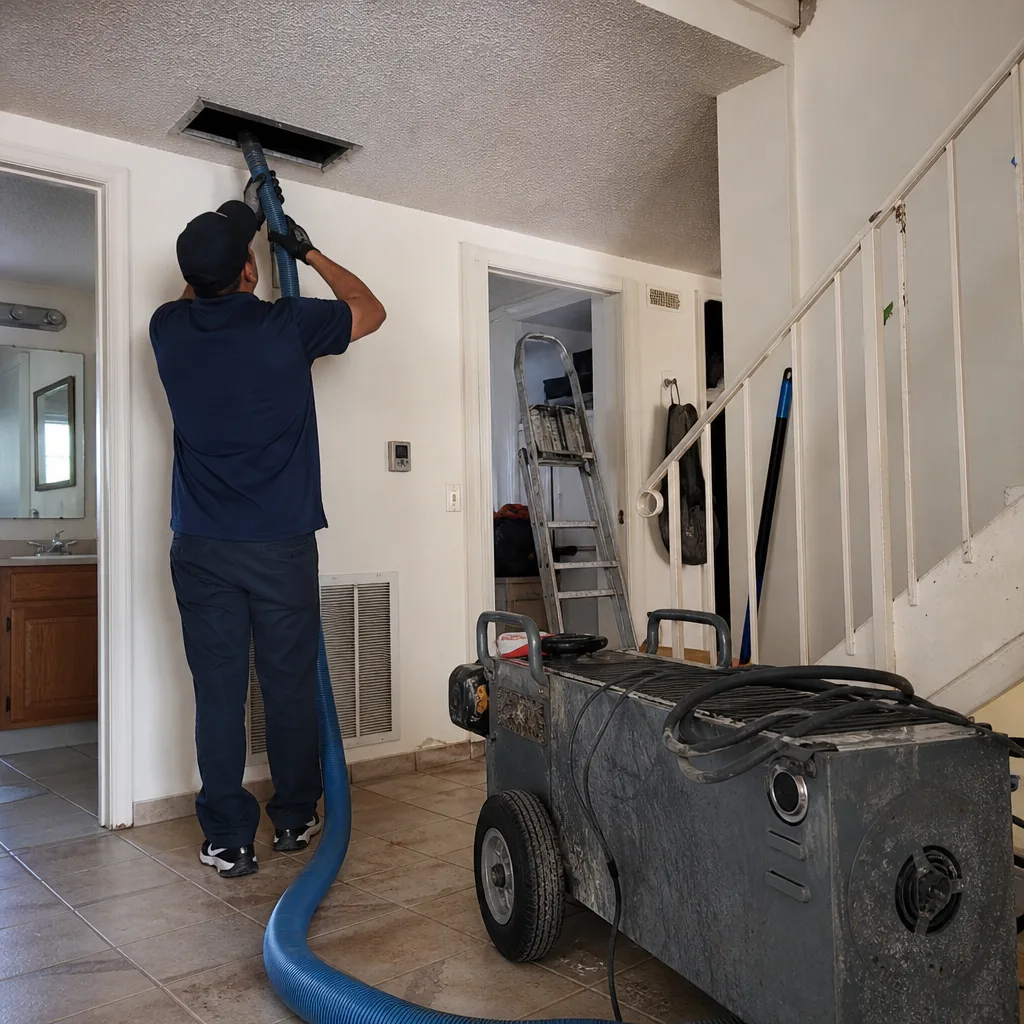
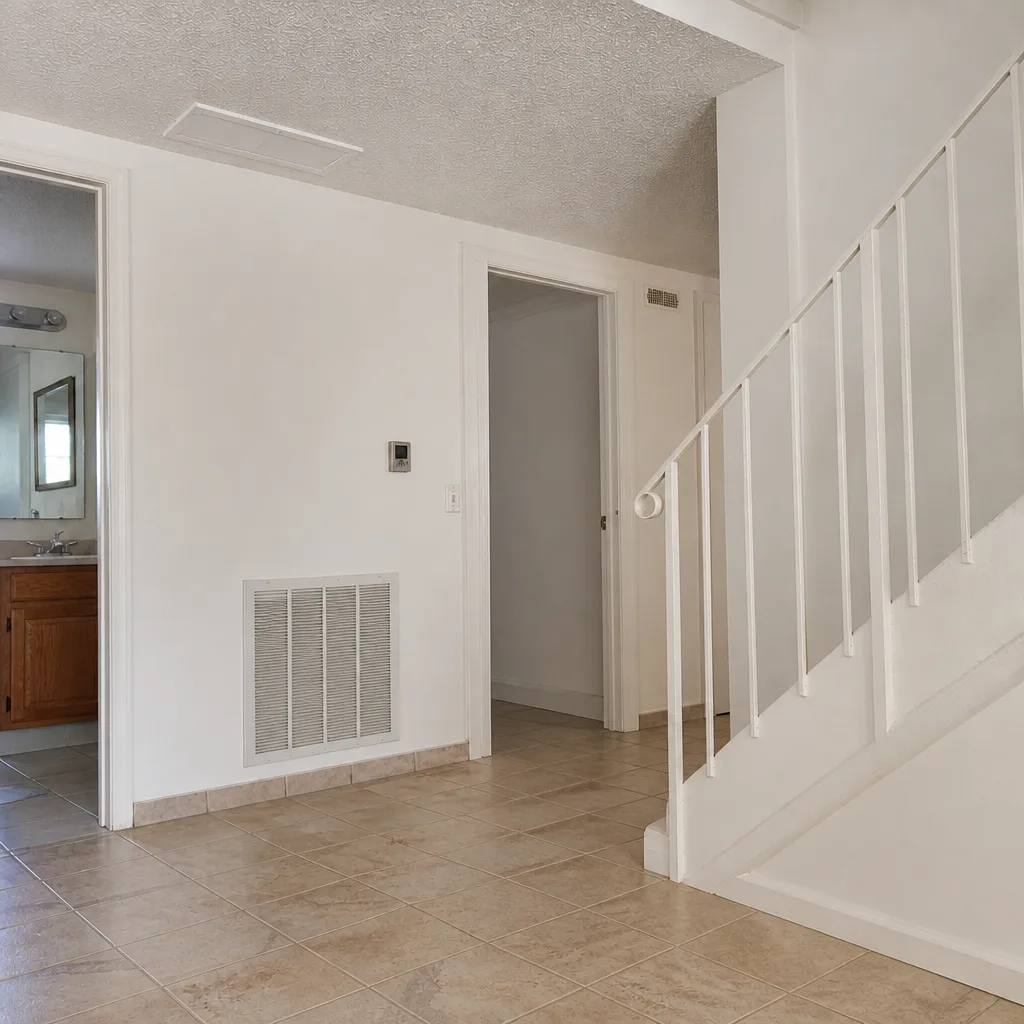
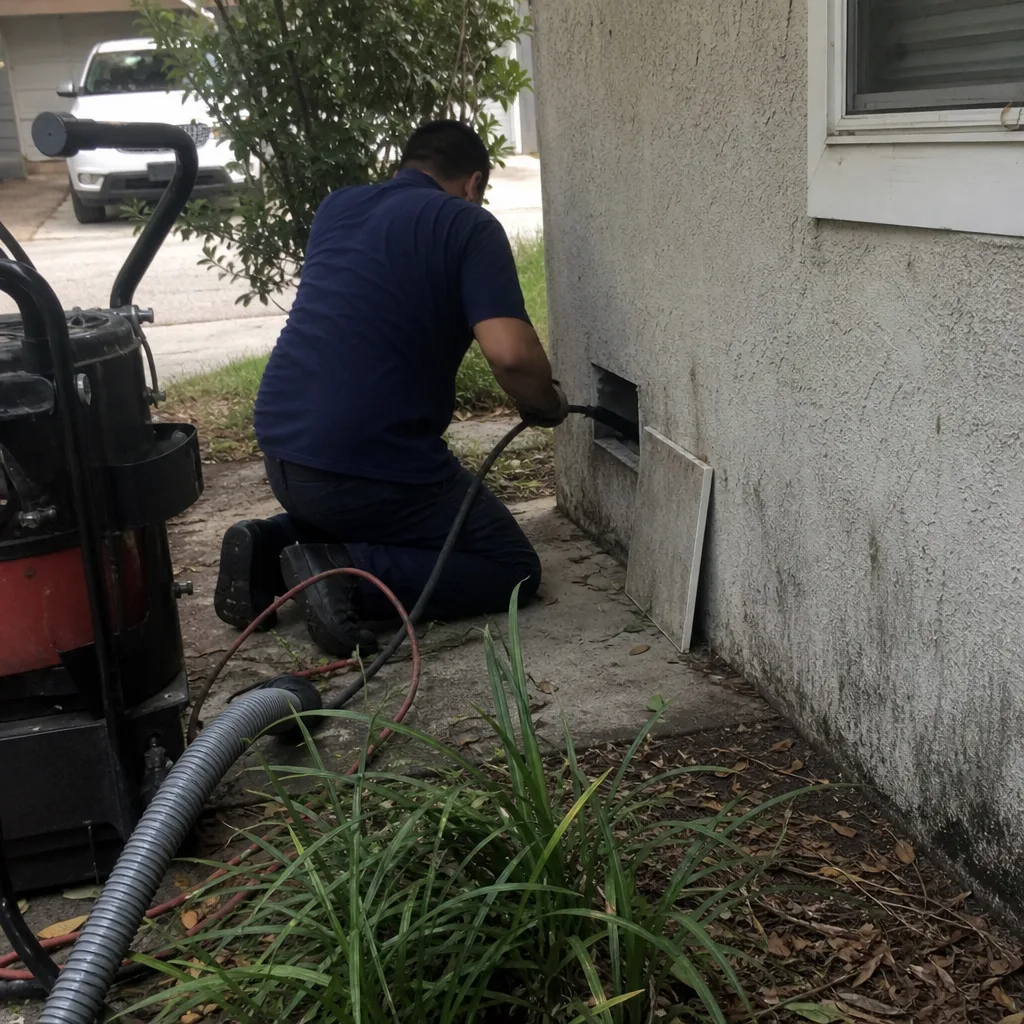
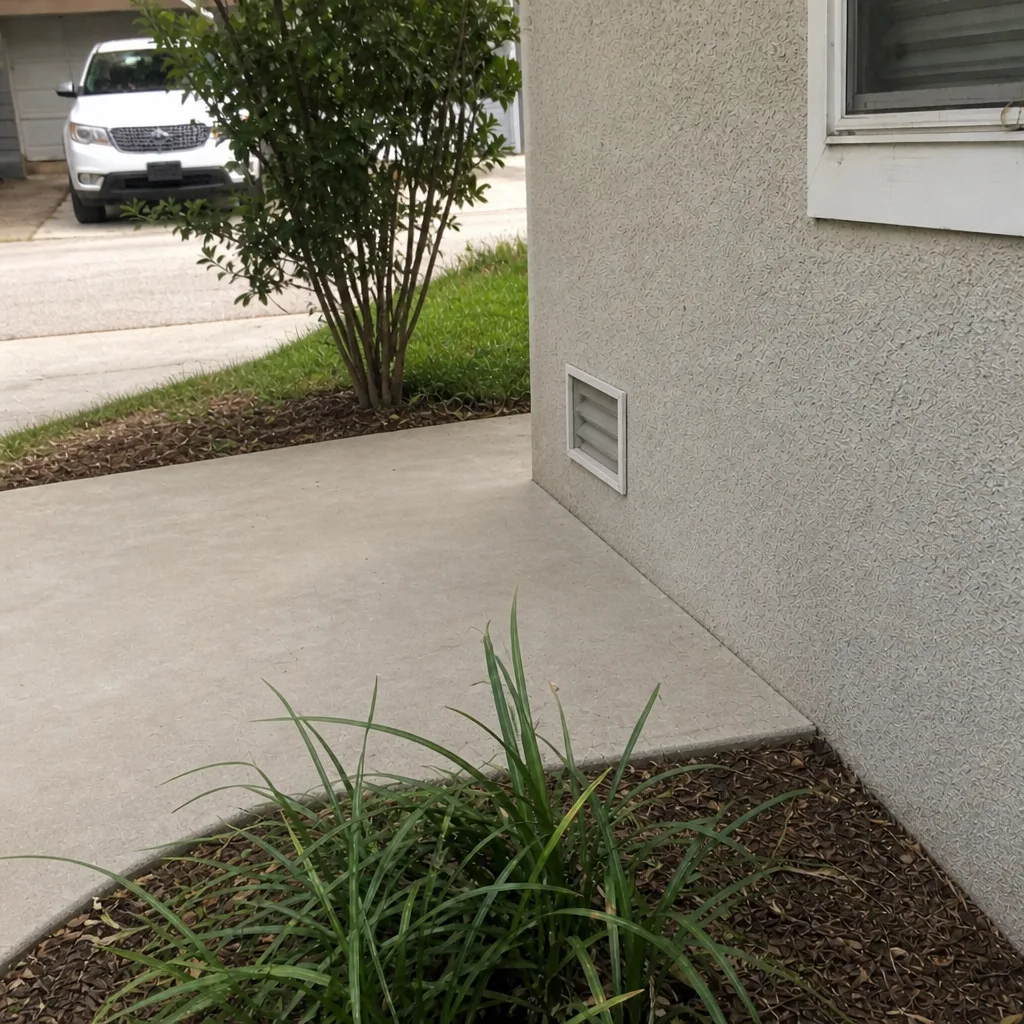
Whole-system duct and dryer vent check with before-and-after photos - you see exactly what came out of your vents
That "$99 whole-house special" is a bait ad - the real number appears once they are in your hallway, or the "clean" is a shop-vac at the register. We photograph the inside of your ducts before and after instead.
How to Hire an Air Duct Cleaning Contractor in Brandon: A Step-by-Step Guide
Asking a duct cleaning company “are you licensed?” in Florida tells you almost nothing useful. The state doesn’t require a dedicated duct cleaning license, so the answer is often a yes that means something else entirely. What you ask next determines everything. This guide walks you through the questions that actually separate a specialist from a generalist in Brandon, from vacuum collection capacity to negative pressure methodology to the contract terms that protect you when a job gets more complicated than the quote suggested.
Quick Answer
To hire an air duct cleaning contractor in Brandon, verify what equipment they use (Rotobrush, Nikro, or comparable professional systems with real CFM ratings), confirm they perform source removal with negative air containment, require a pre-inspection and a written itemized scope before work begins, and compare bids on scope rather than price. Florida doesn’t license duct cleaning as a standalone trade, so equipment and method questions are your real vetting tool.
Styles & brands we work with
- Whole-home duct cleaning
- Dryer vent cleaning
- Camera inspection
- Sanitizing & deodorizing
Table of Contents
- What Florida’s Licensing Landscape Actually Tells You
- Why NADCA Membership Matters More Than a State License Here
- The Equipment Interview: Questions That Separate Specialists From Generalists
- Red Flags Specific to Low-Bid Operators in Brandon
- How to Compare Bids When Scope Varies
- Contract Terms You Should Require
- What Brandon’s Climate Means for Your Ductwork
- Common Mistakes to Avoid
- When to Call a Professional
- Frequently Asked Questions
What Florida’s Licensing Landscape Actually Tells You
Florida does not issue a license specifically for air duct cleaning. That single fact changes how you should think about vetting anyone you hire in Brandon. When a company says “we’re licensed,” what they usually mean is that someone on the team holds a CAC (Class A or B air-conditioning contractor) license, or that the business holds a general contractor credential. Those licenses cover HVAC system installation, repair, and certain mechanical work. They do not specifically certify duct cleaning method, equipment, or indoor air quality practice.
This isn’t a reason to avoid licensed contractors. It’s a reason to understand what the license covers and what it doesn’t. A CAC license tells you the holder has passed a state exam on HVAC systems, carried the required insurance, and is accountable to the Florida Department of Business and Professional Regulation for the mechanical work they perform. That’s meaningful. It just doesn’t tell you whether they’ll show up with a Rotobrush and an Abatement Technologies negative air machine, or with a shop vacuum and a helper.
In our experience across Brandon, the license question is a starting point, not a finish line. Ask it, note the answer, then move immediately to equipment and method. That’s where the real distinction lives.
- What a CAC license covers: HVAC system design, installation, repair, and mechanical code compliance.
- What it doesn’t cover: Specific duct cleaning standards, equipment capability, or IAQ methodology.
- What to ask instead: “What vacuum system will you use, what’s its CFM rating, and how do you maintain negative pressure during cleaning?”
For a deeper look at what the actual cleaning process involves, see our guide to air duct cleaning.
Why NADCA Membership Matters More Than a State License Here
The National Air Duct Cleaners Association (NADCA) publishes the industry standard for how duct cleaning should be performed – the ACR standard (Assessment, Cleaning, and Restoration of HVAC Systems). A company that references NADCA standards, employs NADCA-certified technicians (ASCS or CVI designations), or holds NADCA membership is signaling something the state license can’t: they’ve committed to a specific methodology for this specific service.
NADCA membership is not a guarantee of quality. It is, however, a meaningful filter. It tells you the company has agreed to a published standard for source removal, containment, and post-cleaning verification. For Brandon homeowners, it’s a more relevant credential than a CAC license when the question is “how will you clean my ducts,” because it’s the only credential that speaks directly to that question.
Ask three things:
- Are you a NADCA member, and can you name the standard you follow?
- Do you have NADCA-certified technicians on staff, and what designations do they hold?
- Will your written scope reference the NADCA ACR standard?
A company that can answer all three without hesitation is operating in a different tier than one that can’t.
The Equipment Interview: Questions That Separate Specialists From Generalists
Equipment is where the honest conversation happens. Duct cleaning is a mechanical process, and the machines do the work. A company using purpose-built equipment will describe their setup in specifics. A generalist will describe it in adjectives. Here’s how to tell the difference.
Vacuum collection capacity (CFM)
CFM stands for cubic feet per minute – the volume of air the vacuum system can move. Professional duct cleaning vacuums are rated in the thousands of CFM, often paired with HEPA filtration. A shop vacuum moves a fraction of that and cannot maintain collection pressure across a whole-house duct system. Ask: “What’s the CFM rating of your vacuum, and is it HEPA-filtered?” A specialist answers immediately with a number. A generalist changes the subject.
Brush system type
Rotary brush systems like Rotobrush agitate debris off duct walls while extracting it simultaneously. They’re purpose-built for residential ductwork and are the same machines used by commercial IAQ contractors. Ask: “Do you use a rotary brush system, and what brand?” Rotobrush and Nikro are names a serious operator will recognize and name back to you.
Negative pressure methodology
Negative air pressure means the cleaning equipment creates a pressure differential that pulls dislodged debris toward the vacuum rather than into your living space. Abatement Technologies negative air machines and containment setups are the standard for this. Ask: “How do you maintain negative pressure during cleaning, and what containment equipment do you use?” If the answer is vague, the debris is going somewhere – and it’s probably your living room.
Inspection equipment
A camera or scope lets the technician see inside the ductwork before and after cleaning. It’s also how they identify breaches, disconnected sections, or microbial growth. Ask: “Do you use a camera to inspect before and after?” A company that doesn’t own one is guessing.
Air quality system familiarity
Many Brandon homes have Honeywell or Aprilaire filtration and humidity control equipment installed. Cleaning around those systems requires understanding how they’re integrated, or you risk damaging them. Ask: “Are you familiar with Honeywell and Aprilaire systems?” A technician who knows the equipment can clean around it without issue. One who doesn’t may disconnect something and leave it that way.
For a sense of what a full-system clean actually looks like on site, visit Duct Cleaning Brandon.
Red Flags Specific to Low-Bid Operators in Brandon
Low-bid operators are common in every market, and Brandon is no exception. The problem isn’t the price itself – it’s what the price reveals about scope. When a quote comes in dramatically below the rest of the field, it usually means the work is narrower, not more efficient. Watch for these signals.
- Whole-house quotes under $150. A legitimate whole-system clean requires equipment, time, and usually two technicians. A sub-$150 quote almost always covers a single main trunk line or a superficial pass, not source-to-register cleaning of every branch.
- No pre-inspection step. A serious contractor will look at your system before quoting, either on site or with a scope. A quote given without seeing the ducts is a guess.
- No camera or scope equipment. If they can’t show you what’s inside the duct before and after, you have no way to verify the work.
- Inability to explain source removal. “Source removal” means physically removing contaminants from the duct surfaces, not blowing them around or fogging them with a sanitizer. Ask them to explain the difference. If they can’t, they don’t know it.
- Per-vent pricing. Pricing by the vent encourages speed over thoroughness and often hides a low base price that balloons at the invoice stage.
- No written scope before work begins. Verbal promises are unenforceable. A quote that doesn’t itemize what will be cleaned is not a quote; it’s a starting point for a surprise.
How to Compare Bids When Scope Varies
This is where most Brandon homeowners get tripped up. Three quotes come in at different prices, and the instinct is to take the lowest. But if the scopes differ, the prices are not comparable. A $99 quote and a $600 quote are not competing for the same job – they’re competing for different jobs that happen to share a name.
Structure your comparison around scope. Build a simple table or list with these columns:
- Number of registers and returns cleaned. Whole-house means every supply and return, not just the main lines.
- Equipment named. Vacuum brand and CFM, brush system, containment equipment.
- Pre- and post-inspection. Camera scope, photos, or both?
- Repair scope. Are breaches or disconnected sections included, or quoted separately?
- Dryer vent included or available. It’s a separate service, but worth knowing if they can do it in the same visit.
- Written scope and contract. Itemized, signed, referenced to a standard.
Once you’ve filled in those six items for each bid, the comparison becomes obvious. The lowest price almost always has the narrowest scope. The question you’re answering isn’t “who’s cheapest” – it’s “who’s quoting the job I actually need done.” For background on the Brandon market specifically, see our Brandon page.
Contract Terms You Should Require
A duct cleaning contract protects both parties. It defines what’s being cleaned, how, and what happens when the job reveals something unexpected. Here’s what a fair contract should include.
- Itemized scope. Every register, return, and main trunk line listed by location. Not “whole house” as a phrase – an actual enumeration.
- Equipment list. Vacuum brand and CFM, brush system, containment equipment. Named, not described.
- NADCA standard reference. The contract should state that work will be performed to the NADCA ACR standard.
- Pre- and post-cleaning documentation. Photos or video of the duct interiors before and after.
- Discovery protocol. What happens if the technician finds mold, damaged duct sections, or disconnected runs mid-job. A good contract specifies that work pauses, the homeowner is notified, and any additional scope is quoted and approved before proceeding. No surprises on the invoice.
- Access and protection plan. How floors and furnishings will be protected, and how the negative air containment will be set up.
- Payment terms. One flat price per system agreed before work starts, not per vent and not adjusted based on how long the job takes.
For a service that often gets skipped in this conversation, see dryer vent cleaning. It belongs in the same contract conversation because it’s a fire-safety service, not a convenience add-on.
What Brandon’s Climate Means for Your Ductwork
Brandon’s humid subtropical climate affects ductwork in ways that northern-market advice doesn’t cover. Air conditioning runs for most of the year here, which means your duct system is under near-constant use and near-constant condensation exposure. That has three practical consequences for anyone hiring a duct cleaner.
First, condensation and moisture. Cold duct surfaces meeting warm, humid attic air create condensation. Over time, that moisture can support microbial growth on duct liners and insulation. A contractor who inspects with a camera will catch this. One who doesn’t will clean around it and leave it in place.
Second, longer runtime means more accumulation. Homes in Brandon run their HVAC systems for far more hours per year than homes in cooler climates. That runtime pulls more dust, pollen, and particulate through the system, which makes source removal more important than it would be in a milder climate.
Third, post-renovation dust. Brandon has seen substantial residential construction and renovation activity. Drywall dust and construction particulate settle into ductwork and recirculate for months. A post-renovation clean is a different job from a routine maintenance clean, and the scope should reflect that.
If your system includes a Honeywell or Aprilaire filtration component, the interaction between filtration, humidity control, and duct cleanliness is worth understanding before you book. A specialist who works with those systems routinely will clean around them without disturbing settings or connections.
Common Mistakes to Avoid
- Leading with “are you licensed?” and stopping there. In Florida, that question yields a yes that may not mean what you think. Ask about equipment, CFM, and NADCA standards next.
- Accepting a phone quote without an inspection. A quote given without seeing the system is a guess, and guesses get adjusted at the invoice stage. Insist on a pre-inspection.
- Comparing on price alone. A $99 quote and a $600 quote for the same house are almost never covering the same scope. Compare the itemized scope first, the price second.
- Skipping the dryer vent. If your duct cleaner doesn’t offer dryer vent cleaning as a standalone service, you’re likely to put it off. Lint buildup is a fire hazard, and the service takes less time than most people expect.
- Not asking about repair capability. A cleaner who can’t repair a disconnected duct run will clean the system, then leave the breach that re-contaminates it. Ask whether air duct repair is part of their scope.
- Not reading the discovery clause. If the contract doesn’t specify what happens when mold or damage is discovered mid-job, you have no protection against a mid-job price increase.
- Assuming “sanitizing” replaces cleaning. Fogging a system with a sanitizer without removing the debris first does nothing useful. Source removal comes first.
When to Call a Professional
You don’t need to wait for a visible problem to book a duct cleaning in Brandon. Here are the scenarios where it’s worth a call: you’ve just finished a renovation or moved into a newly built home and want the construction dust cleared before you settle in; you’re seeing dust on surfaces shortly after cleaning, which can indicate a duct breach; someone in the household has allergies or respiratory sensitivity and the indoor air quality has become a concern; your HVAC system has been running for years without a documented cleaning; or you’ve never had the dryer vent inspected and want to address the fire risk. If any of those apply, book a pre-inspection. Duct Cleaning Brandon offers free estimates in Brandon – call (844) 834-1263. We answer 24/7. Fast dispatch from 7am to 7pm, Sunday through Friday.
Frequently Asked Questions
Most residential duct cleanings in Brandon fall in a range that depends on system size, the number of registers and returns, and whether repair work is needed. Because pricing is per system and not per vent, the right way to get a real number is a free pre-inspection and a written estimate. We answer 24/7. Call (844) 834-1263 to book one. Fast dispatch from 7am to 7pm, Sunday through Friday.
No dedicated duct cleaning license exists in Florida. Companies may hold a CAC (HVAC) contractor license, which covers system installation and mechanical work but doesn’t specifically certify duct cleaning methodology. Because the state license doesn’t address the actual service, NADCA membership and a documented equipment list are more useful vetting tools for this specific hire.
Ask for the vacuum brand and CFM rating (Rotobrush and Nikro are the professional names to know), the brush system type, and the negative air containment setup (Abatement Technologies is the standard). Also ask whether they use a camera for pre- and post-inspection. A specialist will name each item without hesitation.
Cheap quotes usually reflect a narrower scope, not greater efficiency. A sub-$150 whole-house quote often covers only main trunk lines or a superficial pass, not every register and return. When you compare itemized scopes rather than prices, the difference becomes clear.
Done correctly, no. Professional cleaning with negative pressure containment and appropriate brush systems is safe for standard residential ductwork. If your home has Honeywell or Aprilaire filtration or humidity equipment, confirm the technician has worked with those systems before. That familiarity is one of the questions worth asking upfront.
There’s no single correct interval. Homes with pets, allergy sufferers, recent renovations, or high dust levels may benefit from cleaning every few years. Homes with newer construction and well-maintained filtration may go longer. A pre-inspection will tell you whether your system actually needs it, which is why we don’t recommend booking without one.
The Bottom Line
Hiring a duct cleaning contractor in Brandon comes down to asking better questions. Florida’s licensing landscape doesn’t do the vetting for you, so your job is to probe equipment, method, and scope. Ask about CFM ratings, rotary brush systems, and negative pressure. Ask whether the company is a NADCA member and whether they’ll reference the standard in writing. Ask what happens if they discover mold or damaged duct sections mid-job. Compare bids on scope, not price. And insist on a written contract that itemizes what’s being cleaned and documents the result with photos. A company that can answer all of that clearly is a company worth hiring.
Duct Cleaning Brandon offers free estimates for air duct cleaning, dryer vent cleaning, and air duct repair in Brandon. Our technicians have up to 14 years of experience, and we use Rotobrush and Nikro systems with Abatement Technologies negative air containment on every whole-system job. Call (844) 834-1263. We answer 24/7. Fast dispatch from 7am to 7pm, Sunday through Friday.
Written by the team at Duct Cleaning Brandon.
See the difference
 Before
 After
 Before
 After
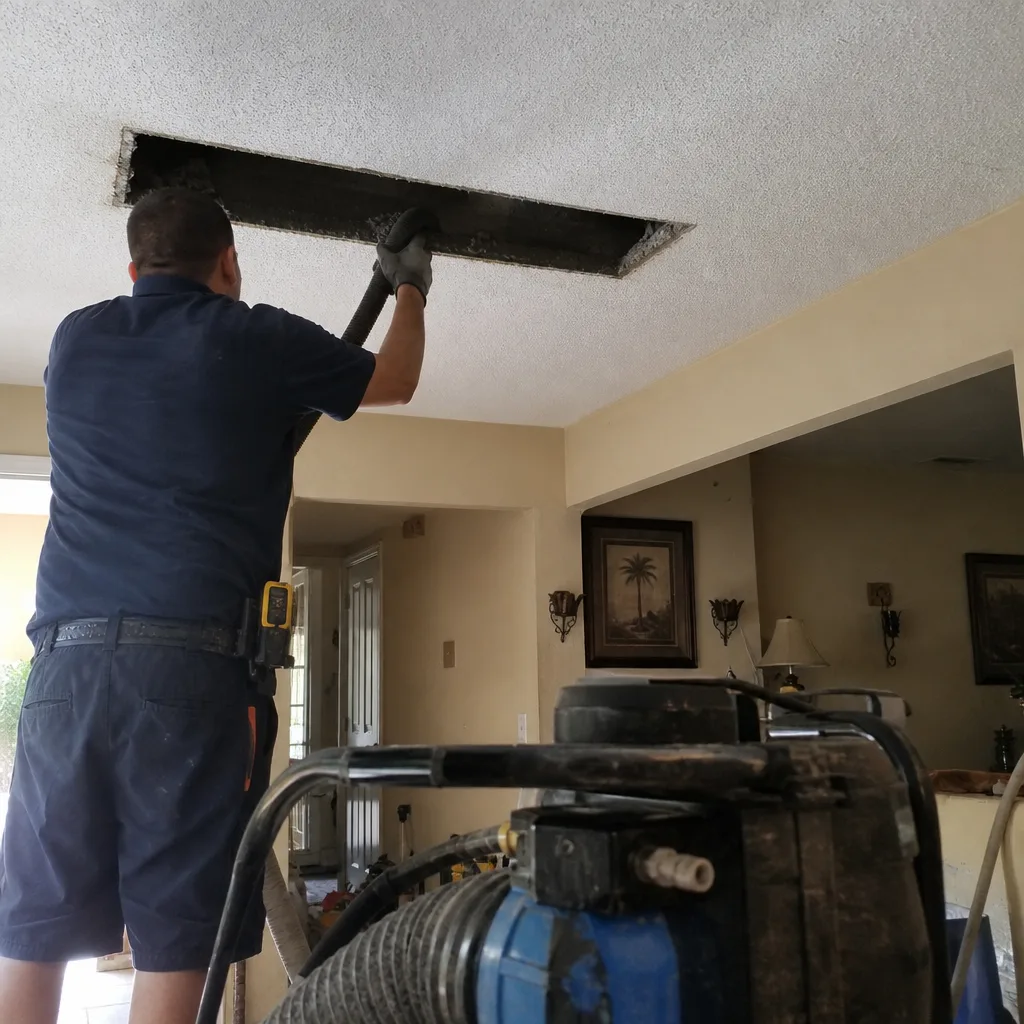 Before
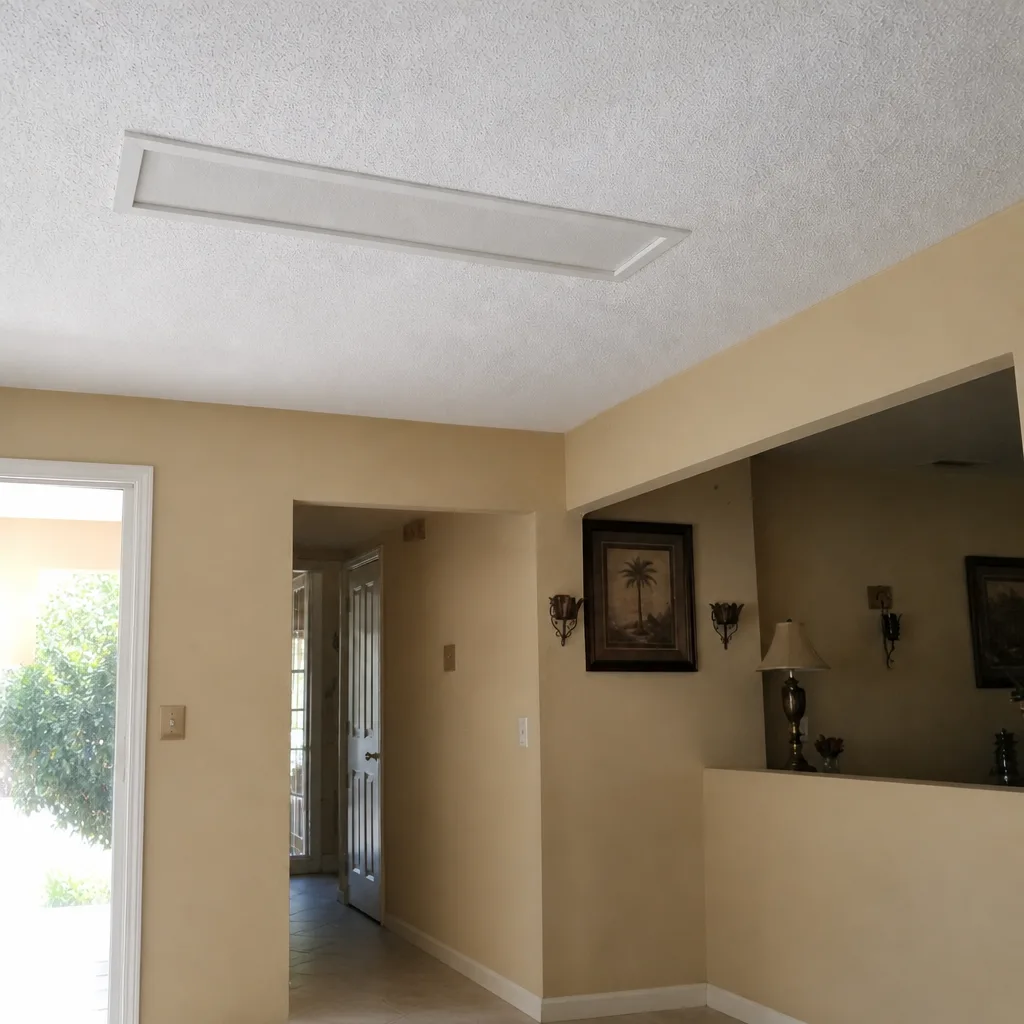 After