
Last updated November 15, 2026
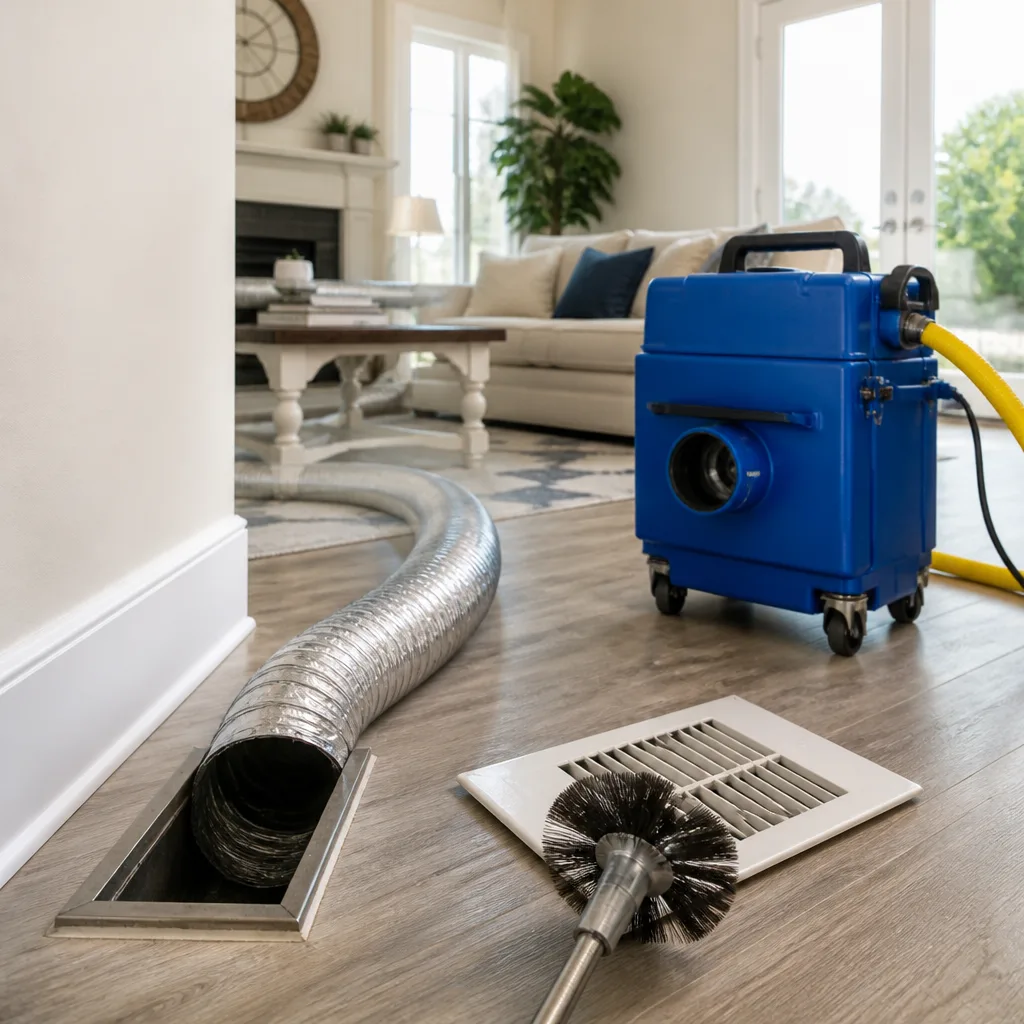 Whole-home duct cleaning
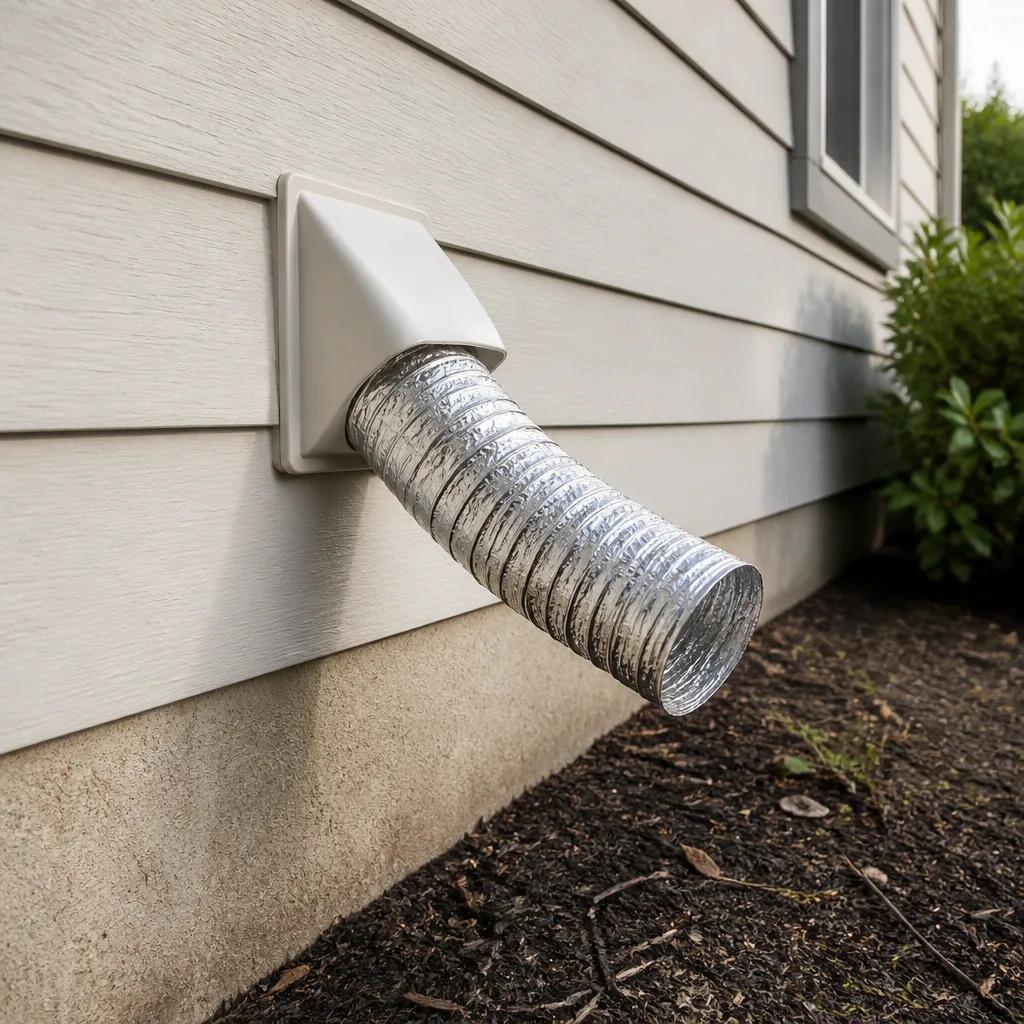 Dryer vent cleaning
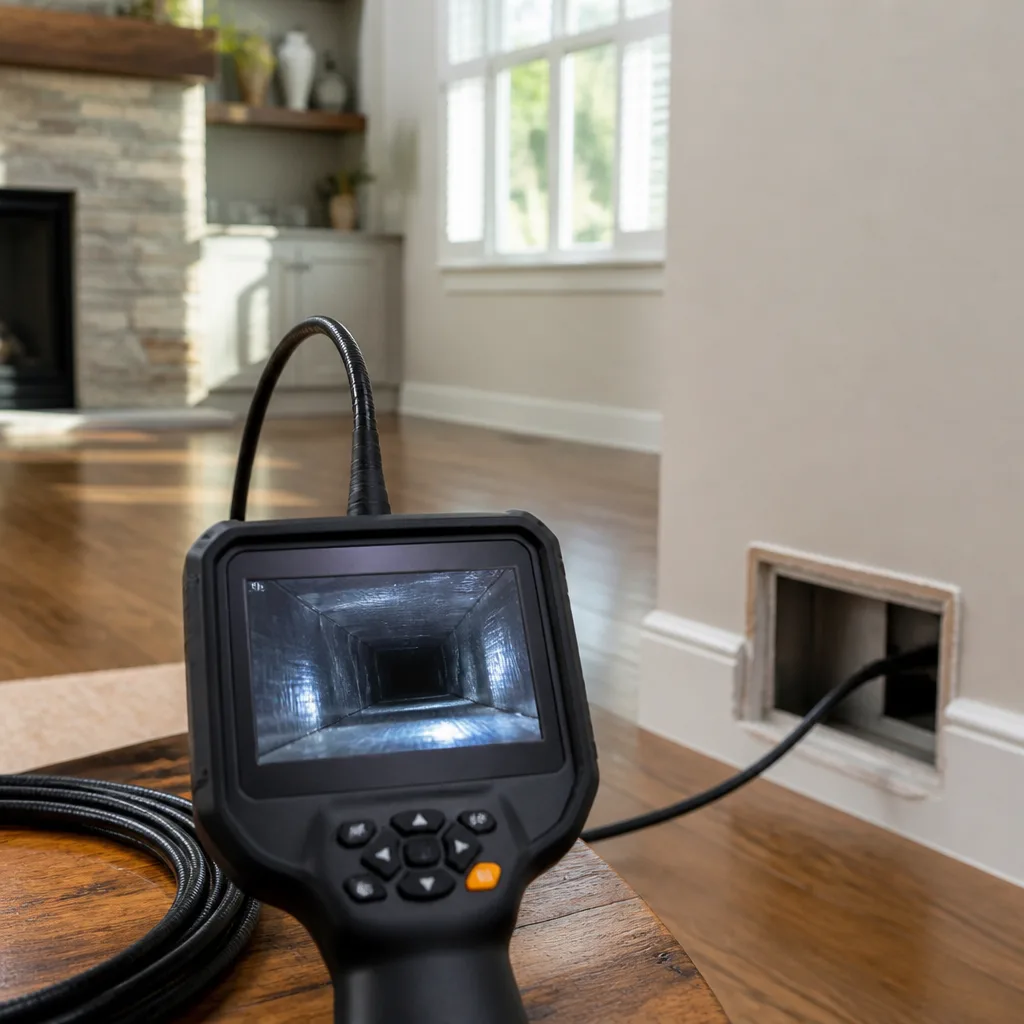 Camera inspection
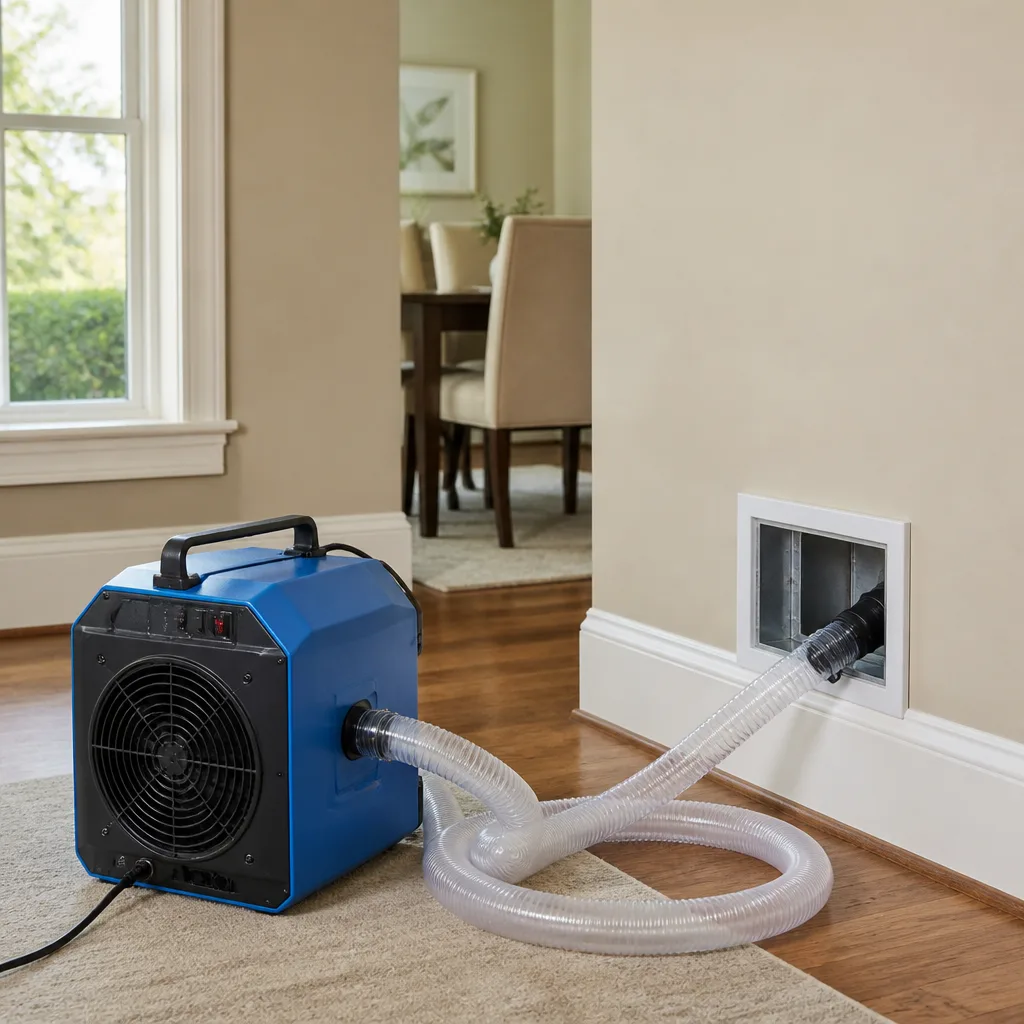 Sanitizing & deodorizing
Whole-system duct and dryer vent check with before-and-after photos - you see exactly what came out of your vents
That "$99 whole-house special" is a bait ad - the real number appears once they are in your hallway, or the "clean" is a shop-vac at the register. We photograph the inside of your ducts before and after instead.
The Complete Guide to Air Duct Cleaning in Brandon
Most duct cleaning advice you’ll find online was written for a house where the air conditioner runs four or five months a year and then sits idle. In Brandon, the AC runs closer to ten months, often without a real break. That single difference reshapes almost everything about how ductwork gets dirty here, what kind of contamination builds up first, and which cleaning method actually works. The national guidance isn’t wrong, it’s just calibrated for a different climate. This guide walks through what we’ve learned cleaning ducts in Brandon: how humidity changes the problem, why duct material decides the method, what source removal really means, and the local housing details that affect access and risk. By the end you’ll know how to judge a quote and what questions to ask before anyone touches your system.
Quick Answer
Air duct cleaning in Brandon is worth doing when you can see or smell a problem: visible dust blowing from registers, musty odors when the AC kicks on, recent renovation debris, or a system that has never been cleaned. A proper job means full source removal with negative air pressure and HEPA filtration, not a surface wipe-down. In Brandon’s humid climate, the priority is often biological growth and moisture, not just dust, so the method and equipment matter more than the price.
Styles & brands we work with
- Whole-home duct cleaning
- Dryer vent cleaning
- Camera inspection
- Sanitizing & deodorizing
Table of Contents
- Why Brandon’s Climate Changes the Duct Cleaning Problem
- Humidity and Biological Growth: The Threat Most Guides Miss
- Duct Material Decides the Method
- Source Removal vs. Surface Cleaning: What the Standard Actually Means
- Why a Camera Inspection Comes Before Cleaning
- Brandon Housing Stock, Slab Foundations, and Attic Ducts
- What a Full-System Cleaning Actually Involves
- How Often Ducts Really Need Cleaning in Brandon
Why Brandon’s Climate Changes the Duct Cleaning Problem
Brandon sits in a subtropical zone where summer humidity routinely climbs past 90 percent and the cooling season stretches from early spring well into fall. That means your air handler moves conditioned air through the ducts for most of the year. Dust, pollen, and skin cells keep circulating and settling, but so does moisture. The ducts never really get a dormant season to dry out.
In a colder climate, the furnace runs in winter and the AC runs in summer, and the system pulls in drier air during the heating months. Here, the system is pulling humid air through the same ductwork month after month. That changes the nature of what accumulates. Instead of a thin, dry layer of dust, you get a tackier film that grabs onto duct walls and holds on. It also creates the conditions where mold and mildew can establish themselves on duct surfaces, especially where condensation forms.
This is also why the general advice to clean “every three to five years” doesn’t fit Brandon neatly. That figure assumes a shorter operating season. When your system runs nearly year-round in high humidity, contamination builds faster, and the balance between dust and biological growth shifts. A Brandon home can accumulate more problematic buildup in two years than a northern home does in five.
The practical takeaway: don’t judge your duct schedule by what a national article says. Judge it by what’s actually happening in your system here. A camera inspection tells you far more than a calendar does.
Humidity and Biological Growth: The Threat Most Guides Miss
Most duct cleaning content focuses on particulate buildup: dust, dander, pollen, debris. In Brandon, that’s only half the story. The bigger concern is often biological. When humidity stays high and the AC runs constantly, moisture can collect in the duct system, particularly in flex duct runs, at joints, and anywhere the ductwork passes through unconditioned attic space. That moisture feeds mold and mildew.
You’ll notice the signs before you see the growth itself. A musty or earthy smell when the system starts up is the classic signal. So is a persistent dampness you can’t trace to anything else in the house. Visible dark spotting around registers or on the inside of a vent cover is a strong indicator.
This matters for method selection. A crew that only agitates dust and vacuums it up may leave the biological layer largely intact, because that film clings to surfaces. Cleaning that addresses growth needs to combine mechanical agitation with strong extraction and, where appropriate, treatment of affected surfaces. It also needs containment so that dislodged spores are captured rather than blown into your living room.
Here’s the honest limit of what a duct cleaning company should claim: we clean ducts and remove contamination. We don’t perform mold remediation as a standalone service, and any company that promises to “eliminate all mold” through duct cleaning alone is overselling. What a thorough cleaning does is remove the food source and the buildup that lets growth take hold, and that’s a meaningful step. If a system has significant growth, the right answer may involve addressing the underlying moisture source too, and a good technician will tell you that.
This is one reason we use Abatement Technologies negative-air and containment equipment on Brandon jobs. The goal is to create negative pressure in the work area so that anything dislodged gets pulled into the capture system instead of settling back into your home’s air.
Duct Material Decides the Method
Not all ductwork is the same, and the single biggest mistake in duct cleaning is applying one method to every material. Brandon homes have a mix of duct types, and each responds differently to cleaning equipment. Getting this wrong can damage the duct or leave it dirtier than it started.
- Flex duct: Common in newer Brandon construction and in attic runs. The inner liner is delicate. Aggressive rotary brushing at the wrong pressure can tear it, and a torn liner becomes a permanent collection point for debris. Flex duct needs gentler agitation and careful control.
- Sheet metal duct: Durable and forgiving, and it responds well to rotary brush systems. This is where equipment like the Rotobrush rotary brush, which agitates and extracts in the same pass, works at its best.
- Fiberboard duct: Porous by nature. It can’t be scrubbed the way metal can, because scrubbing damages the surface and exposes raw fibers. Fiberboard calls for a different approach entirely, often focused on encapsulation and gentle extraction rather than mechanical scouring.
HVAC systems in Brandon homes are frequently a patchwork: metal trunk lines feeding flex branches into individual rooms. A crew that shows up with one tool and one technique is going to be wrong for part of your system. Before any cleaning begins, the technician should identify what material every run is made of and match the method to it.
This is where equipment choice becomes a real differentiator rather than marketing language. A purpose-built system lets a technician vary pressure and agitation for the material in front of them. A repurposed shop vacuum doesn’t offer that control. If you want to understand the range of what a professional air duct cleaning in Brandon should involve, the material-by-material approach is the place to start.
Source Removal vs. Surface Cleaning: What the Standard Actually Means
The industry standard for duct cleaning is source removal. It means removing the contamination from the source, not wiping down what you can reach. In practice, that means reaching the entire interior surface of the duct from the source (the air handler and plenum) all the way to the registers, agitating the buildup, and extracting it under negative pressure so it leaves the system rather than resettling.
Surface cleaning is what a lot of low-cost crews actually perform. They reach into the visible duct near the register, wipe or vacuum what they can see, and call it done. The contamination deeper in the runs and in the plenum is untouched. You paid for a clean system and got a clean-looking vent cover.
Here’s how to tell the difference when you’re evaluating a quote:
- Ask what equipment they use. Purpose-built rotary brush and HEPA extraction systems are the standard. If the answer is vague or amounts to “a big vacuum,” that’s a surface operation.
- Ask about negative air pressure. A proper job uses negative pressure and containment so debris is captured at the source. No containment means debris redistributes into your home.
- Ask whether the air handler and plenum are included. The plenum is often where the heaviest buildup sits. If it’s excluded from the quote, the job isn’t complete.
- Ask for before-and-after photos of your own ducts. Not stock images. Your system, your photos. A crew confident in its work will document it.
- Ask whether the price is for the whole system or per vent. Per-vent pricing encourages a quick pass over many vents with little depth on any of them.
We use Nikro HEPA-filtered vacuum systems and Rotobrush rotary brushes because they’re built for this work, not adapted to it. The rotary brush agitates and extracts in the same motion, and the HEPA filtration captures fine particulates at the source. That combination is what separates source removal from a cosmetic wipe-down. It’s also why we price per system rather than per vent: the goal is a clean system, not a count of vents touched.
Why a Camera Inspection Comes Before Cleaning
An inspection before cleaning isn’t a formality. It changes the scope of the job, and skipping it is how homeowners end up paying for work that doesn’t fix their actual problem. A camera inspection lets a technician see inside the ductwork: what’s accumulated, where, what condition the duct liner is in, and whether there are breaches or disconnected runs.
Without that look, a crew is guessing. And guessing leads to two common outcomes. One, they clean a system that didn’t need it, because the real problem was something else entirely, like a return duct pulling air from an attic or a gap that lets unconditioned air into the system. Two, they clean thoroughly and the problem comes right back, because there’s a breach or a disconnected joint reintroducing contamination.
This is the thinking behind treating air duct repair as its own service rather than an add-on. If the inspection reveals a breach, a torn flex liner, or a disconnected run, that gets fixed. Cleaning a system and then leaving a hole in it means the contamination returns. We don’t just clean what’s broken; we identify and fix the breach so the freshly cleaned system stays clean. On some jobs, the repair is the more important half of the work.
For Brandon homeowners, access matters here too. Attic-routed ductwork is common, and a camera lets the technician assess runs that are hard to reach by hand. It also confirms the material mix before any tool touches the duct.
Brandon Housing Stock, Slab Foundations, and Attic Ducts
Brandon’s housing stock spans decades, and that range shows up in the ductwork. Older homes may have original sheet metal with years of accumulated buildup, or duct systems that have been modified and added onto over time. Newer construction tends to favor flex duct, which is efficient to install but more delicate to clean and more prone to collecting moisture.
Most Brandon homes sit on slab foundations, which shapes where the ductwork runs. With no basement, duct systems are typically routed through the attic or within the building envelope. Attic-routed ducts in a subtropical climate face real temperature extremes: the attic gets brutally hot, and the ducts carry cold conditioned air through that heat. The result is condensation potential on the outside of the duct and, if the insulation or vapor barrier is compromised, moisture problems that feed growth inside.
Sandy soil is another local detail that matters indirectly. It drains quickly, which is generally good for foundations, but it also means landscaping and construction activity can track fine grit into a home, and that grit finds its way into the return system. New construction and renovation in Brandon’s growing neighborhoods produce drywall dust and construction debris that settle deep in ductwork and are difficult to remove without proper extraction.
If you’re in one of Brandon’s established neighborhoods or a newer development and you’ve recently renovated, moved into a newly built home, or bought a house with an unknown duct history, an inspection is the sensible first step. The duct history of a Brandon home often tells you more about what it needs than its age does.
What a Full-System Cleaning Actually Involves
A thorough cleaning follows a sequence, and the sequence matters. Here’s what a full-system job looks like from start to finish.
- Inspection and scope. A camera inspection identifies what’s in the system, what material each run is made of, and whether there are breaches or disconnected runs. The scope of work and a flat price for the whole system get agreed before anything starts.
- Containment and negative pressure. Abatement Technologies negative-air equipment creates containment so that dislodged debris is captured rather than redistributed through the home. This step protects your living space during the work.
- Source removal. The air handler, plenum, trunk lines, and branch runs are cleaned from the source to the registers. Rotary brush systems agitate the buildup, and HEPA extraction captures it. The method is matched to the duct material on each run.
- Register and vent cleaning. Supply and return registers, grilles, and vent covers are cleaned as part of the system, not skipped.
- Repair, where needed. Any breach, torn liner, or disconnected run found during inspection is addressed so the cleaned system stays clean. This is where air duct repair comes in as a standalone fix.
- Documentation. Before-and-after photos of your own ducts confirm the work. You see what was removed and what the system looks like afterward.
We work around existing air-quality equipment too. If your home has a Honeywell or Aprilaire filtration or humidity-control system, the technician understands how that equipment interacts with the ductwork and cleans around it without risk of damage. Those systems are part of the air path, and treating them as an obstacle rather than a component is a sign of a crew that doesn’t do this often.
How Often Ducts Really Need Cleaning in Brandon
There’s no single correct interval, and any company that quotes you a fixed number of years without looking at your system is guessing. That said, Brandon’s climate pushes the practical schedule earlier than national guidance suggests.
Several factors shorten the interval here:
- Year-round operation. A system that runs most of the year moves far more air, and more air means faster accumulation.
- Persistent humidity. Moisture makes buildup tackier and creates conditions for biological growth, which builds faster than dry particulate alone.
- Attic-routed flex duct. Common in Brandon, and more prone to moisture issues and liner damage than metal in conditioned space.
- Local construction and renovation activity. New builds and remodels generate fine dust that works into return systems.
- Pets, occupants with allergies, and smokers. All increase the load on the system.
As a practical starting point, many Brandon homes benefit from an inspection every couple of years, with cleaning done when the inspection shows it’s needed. Homes with pets, allergy sufferers, recent renovation, or a first-time-ever cleaning often need it sooner. The inspection is what tells you, not a fixed schedule. If you’re not sure where your system stands, that’s exactly what an inspection is for. Our technicians have up to 14 years of experience reading systems in this climate, and the inspection is where that experience pays off.
Common Mistakes to Avoid
- Hiring on price alone. A quote that’s dramatically lower than others usually reflects a surface wipe-down, not source removal. You’ll pay for a clean-looking vent and a dirty system. Ask what equipment and method are included before comparing numbers.
- Skipping the inspection. Cleaning without a camera inspection means you might clean a system that didn’t need it or miss a breach that reintroduces contamination. The inspection is what makes the cleaning targeted.
- Letting a crew use one method on every duct. Brandon systems mix flex, metal, and sometimes fiberboard. A single technique is wrong for part of the system and can damage delicate flex liners. Ask how the crew matches method to material.
- Ignoring moisture and musty odors. In this climate, a musty smell usually points to moisture-driven growth, not just dust. Cleaning the dust without addressing the moisture pattern means the problem returns.
- Cleaning a system with a breach and calling it done. A torn liner or disconnected run keeps pulling contamination in. The repair has to be part of the plan, or the cleaning doesn’t hold.
- Forgetting the dryer vent. It’s a separate fire-hazard service most duct cleaners skip, and lint buildup is a recognized risk. Handling it in the same visit keeps the whole indoor air system safer.
- Accepting stock photos as proof. Before-and-after photos should be of your ducts. If a company can’t show you your own system, ask why.
See the difference
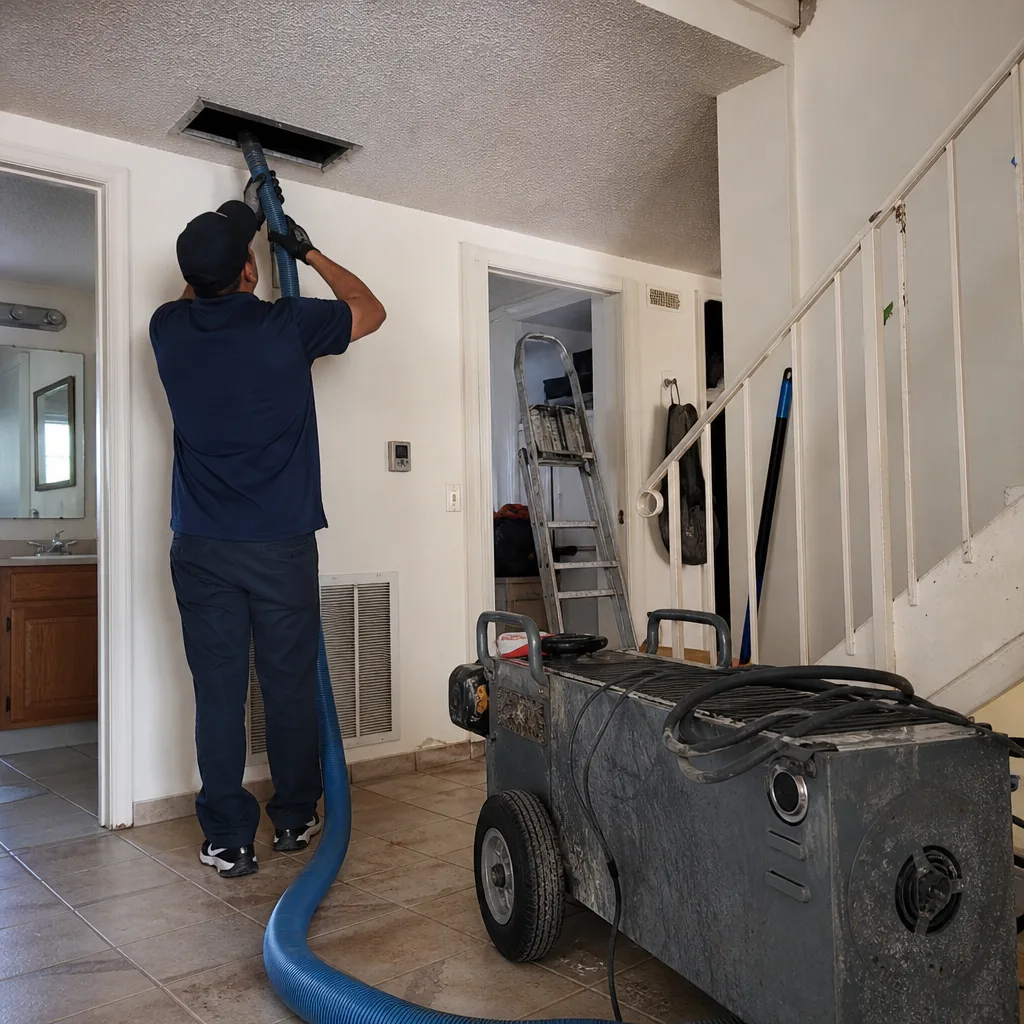 Before
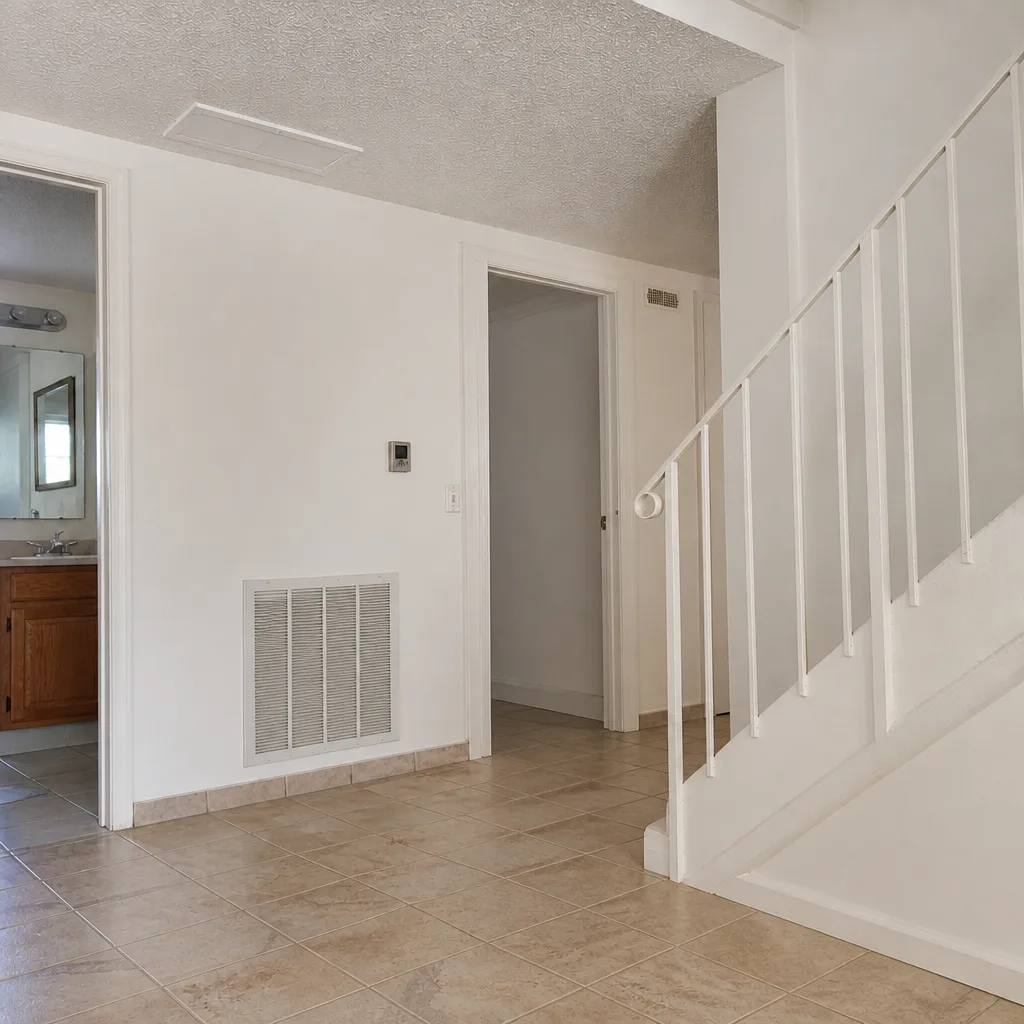 After
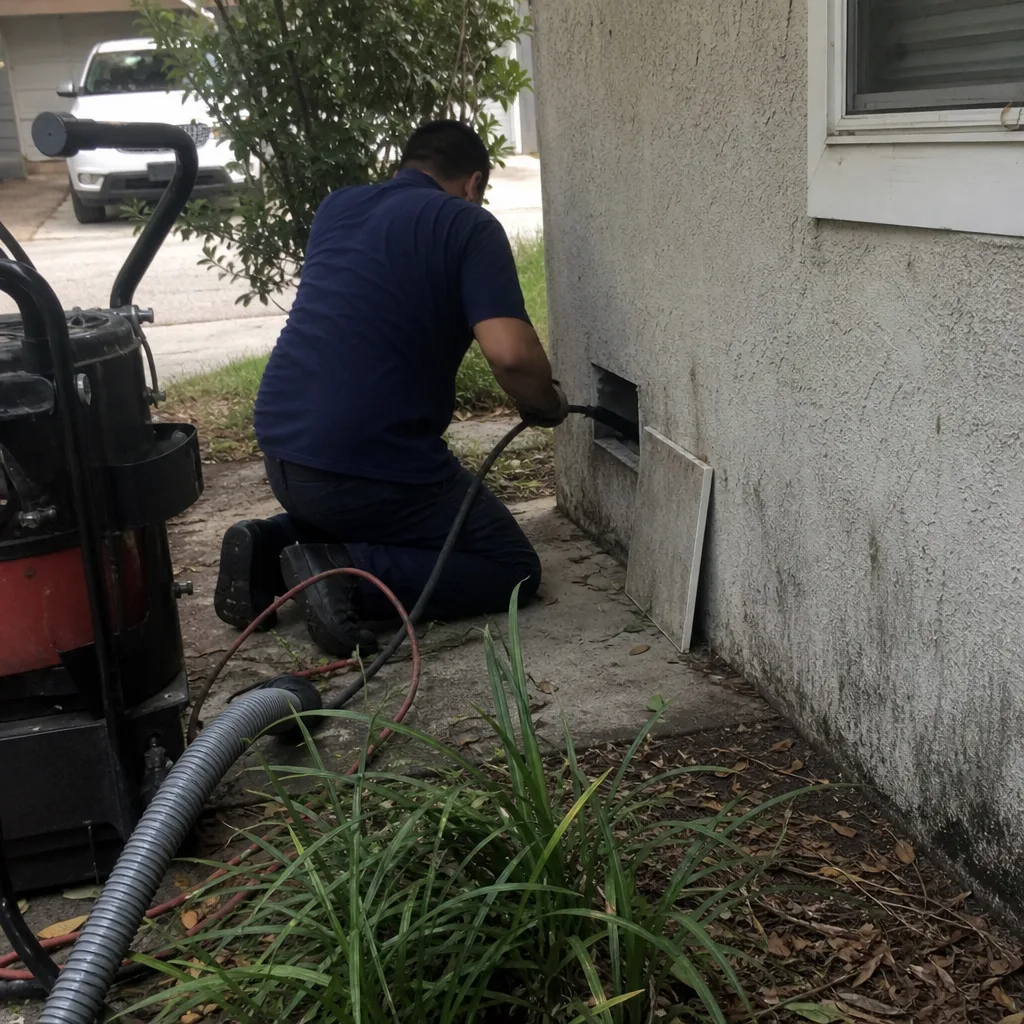 Before
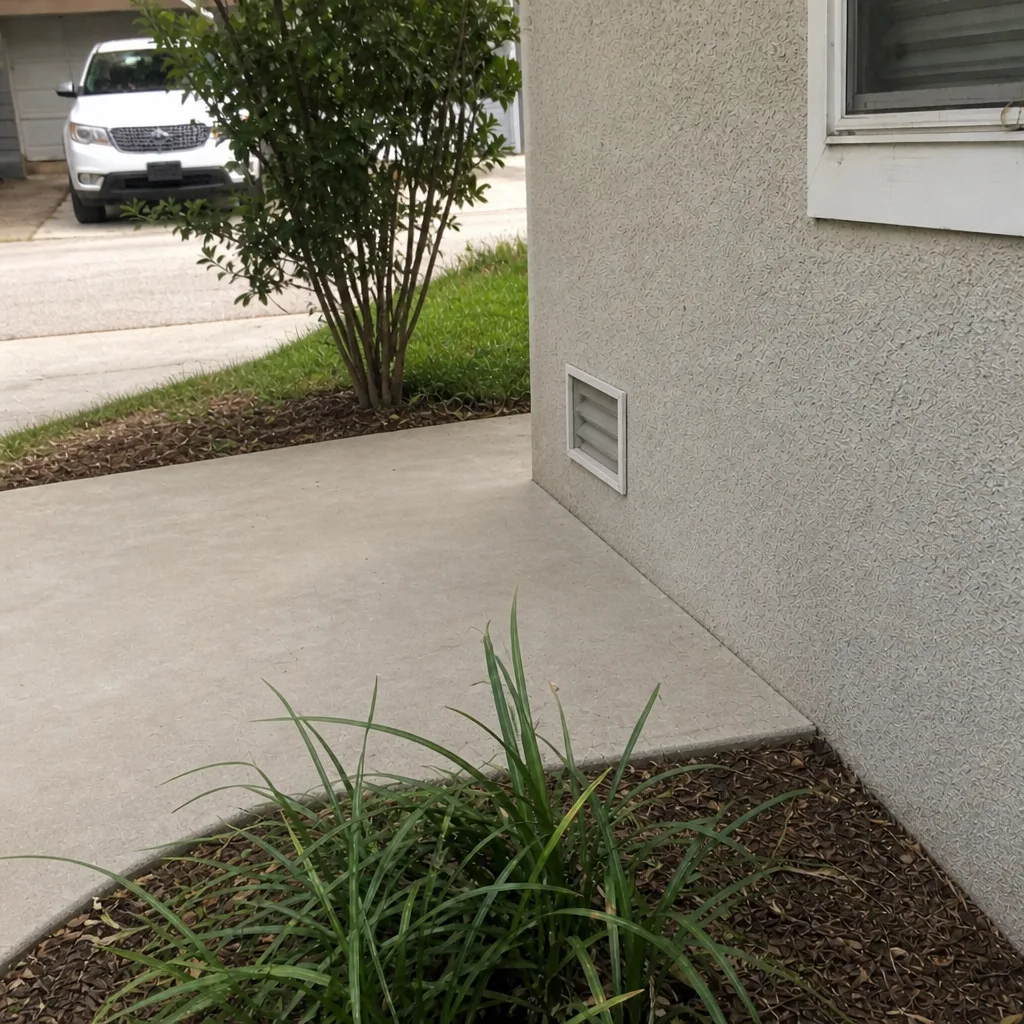 After
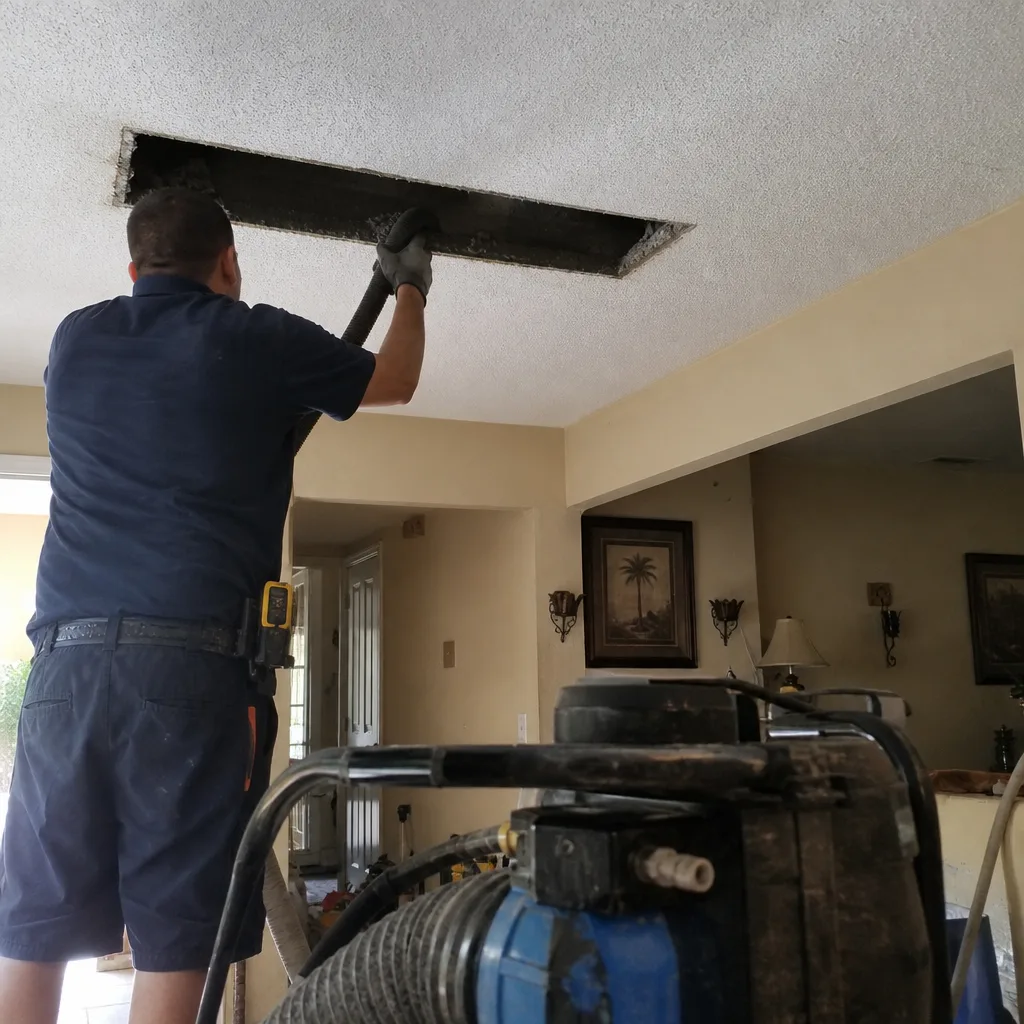 Before
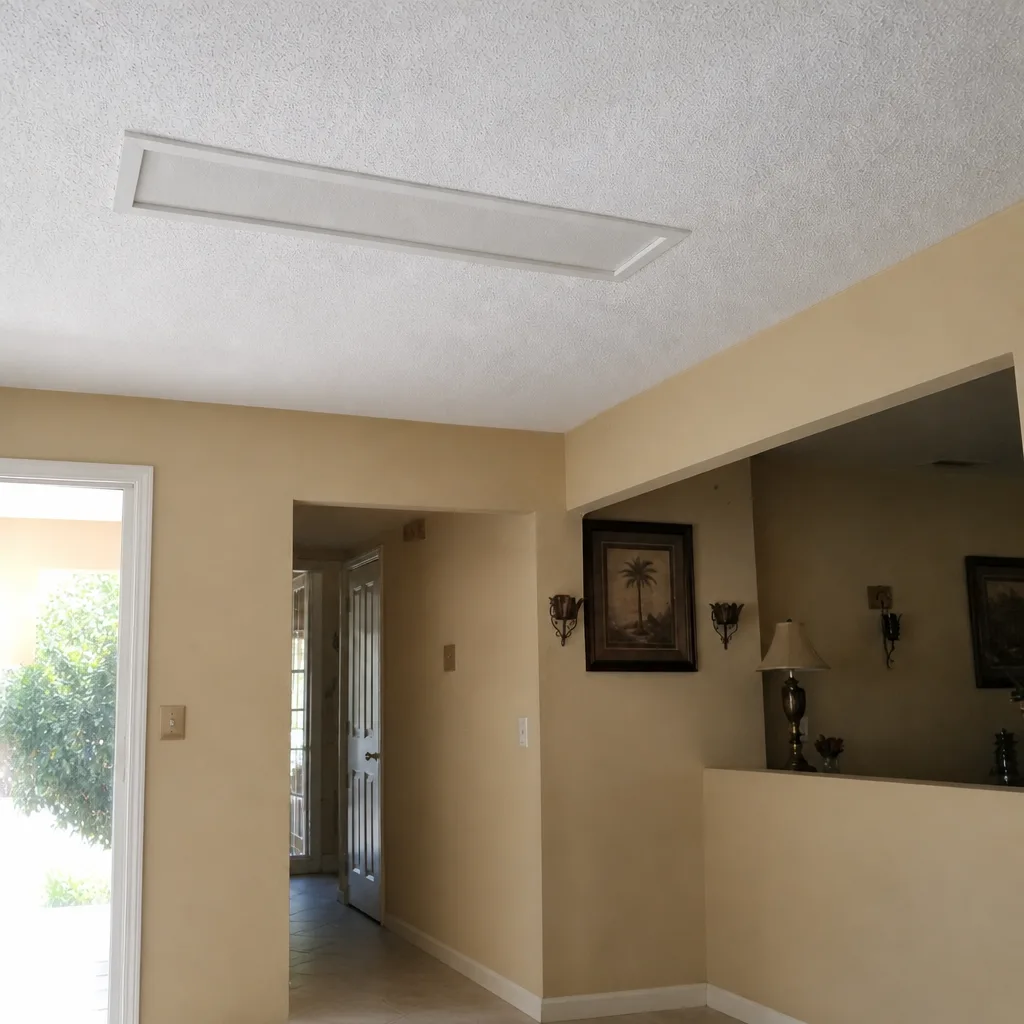 After
When to Call a Professional
Some situations clearly call for a professional inspection and likely cleaning. Visible dust blowing from registers when the system runs. A musty or earthy smell at startup. Recent renovation or new construction that left drywall dust in the air. A move into a home with an unknown duct history. Persistent allergy or respiratory irritation that seems tied to the HVAC system. Visible spotting around vents or a damp feel you can’t explain. A dryer that takes longer to dry clothes, which often points to a clogged vent.
Because so much of a duct system is invisible, the honest answer is that most homeowners can’t judge their own ductwork by looking at the registers. An inspection removes the guesswork. It costs nothing to find out, and it tells you whether you need cleaning, repair, or nothing at all.
Duct Cleaning Brandon offers free estimates in Brandon. Call (844) 834-1263. We answer 24/7. Fast dispatch from 7am to 7pm, Sunday through Friday. If you have a dryer vent that needs attention too, we handle dryer vent cleaning as part of the same visit.
Frequently Asked Questions
Pricing in Brandon is set per job by a written estimate, based on the size of the system, the number of runs, the duct materials, and whether repair is needed. We give a flat price for the whole system agreed before any work starts, not a per-vent rate. That means the estimate you get is what the job costs, with no surprise additions once the technician is on site. Call (844) 834-1263 for a free estimate.
Cheap quotes are usually cheap because they describe a different job: a surface wipe-down of the visible duct near each register instead of full source removal with negative pressure and HEPA extraction. The deeper contamination in the plenum and runs is untouched. Comparing a surface job to a full-system job on price alone is comparing two different services. Ask what equipment and containment a crew uses before you decide. Call (844) 834-1263 for an honest, whole-system quote.
You should get before-and-after photos of your own ducts, not stock images. A proper job also starts with a camera inspection, so you see what was there before cleaning and what the system looks like after. That documentation is your proof, and a crew confident in its work will provide it without being asked. Call (844) 834-1263 to schedule an inspection.
More often than the national “every three to five years” advice suggests, because Brandon’s AC runs most of the year and humidity stays high. Many homes benefit from an inspection every couple of years, with cleaning done when the inspection shows it’s needed. Homes with pets, allergy sufferers, or recent renovation may need it sooner. The inspection is what tells you, not a fixed schedule. Call (844) 834-1263 to book one.
Duct cleaning removes the buildup and food source that lets mold take hold, and it addresses surfaces where growth accumulates, but we don’t perform standalone mold remediation. If an inspection shows significant growth, the right approach may also involve finding and fixing the moisture source, and a good technician will tell you when that’s the case. Cleaning is a meaningful step, not a claim to eliminate every mold issue. Call (844) 834-1263 to find out what your system actually needs.
Yes. Dryer vent cleaning is a separate service we handle, and it’s a fire-prevention job most duct cleaners skip. Lint buildup in a dryer vent is a recognized fire hazard, and it’s worth handling in the same visit as duct cleaning. We also offer air duct cleaning and duct repair, so all three services come from one crew. Call (844) 834-1263 for a free estimate.
The Bottom Line
Duct cleaning in Brandon isn’t the same job it is in a colder climate. The long cooling season and persistent humidity make biological growth a bigger concern than dry dust, push the practical cleaning schedule earlier, and make method and equipment more important than price. Match the method to the duct material, insist on source removal with negative pressure and HEPA extraction, and get a camera inspection before anyone starts. A flat price per system and before-and-after photos of your own ducts are the two things that separate a real job from a cosmetic one.
If you’d like to know where your system stands, start with a free estimate. To learn more about our approach and the duct cleaning Brandon services we offer across the Brandon area, get in touch. Call (844) 834-1263. We answer 24/7. Fast dispatch from 7am to 7pm, Sunday through Friday.
Written by the team at Duct Cleaning Brandon.