
Last updated November 15, 2026
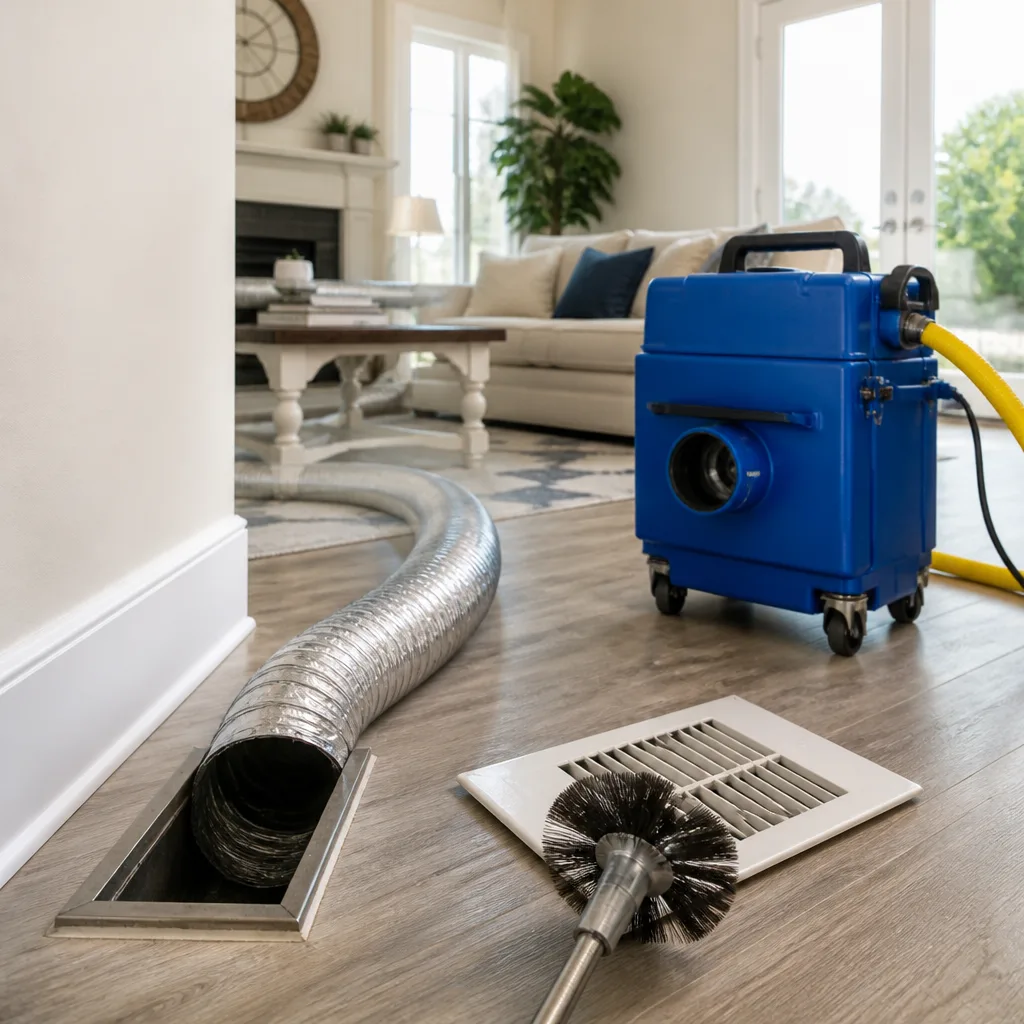 Whole-home duct cleaning
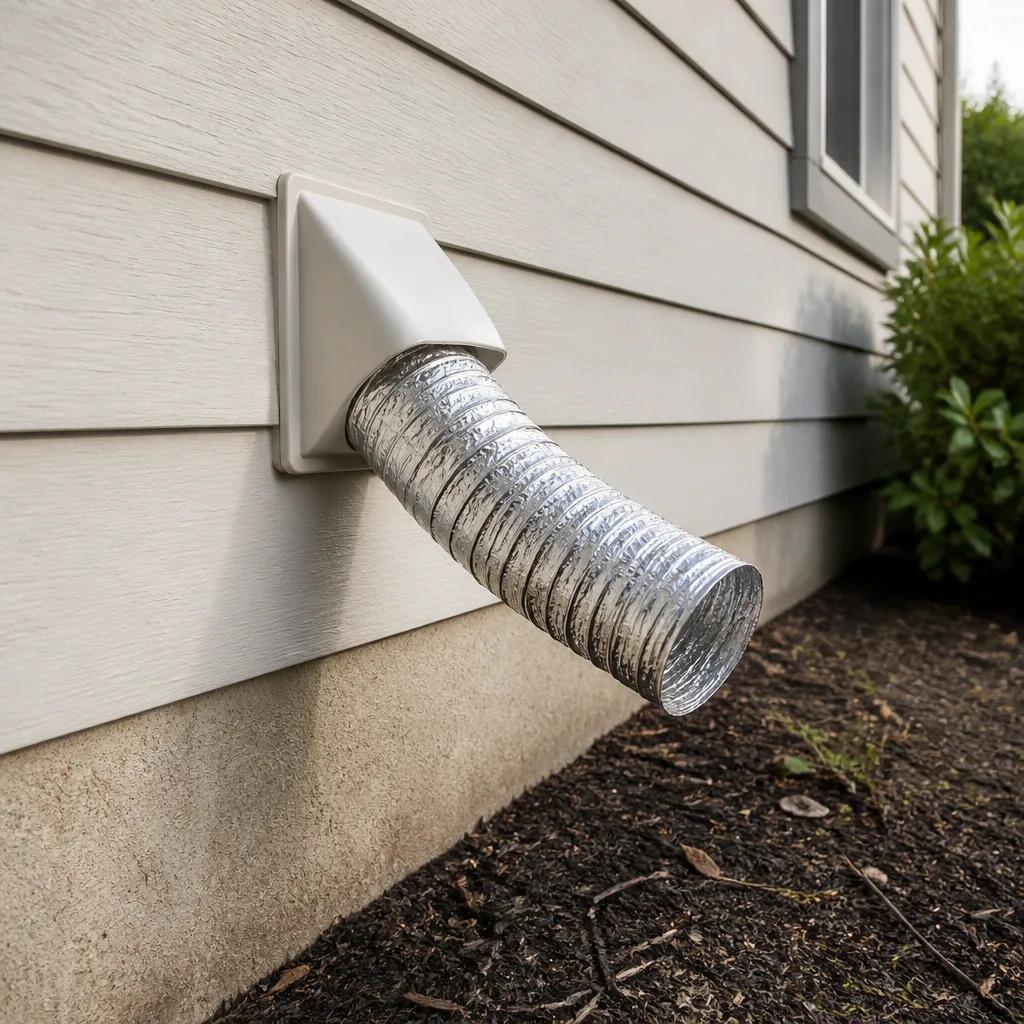 Dryer vent cleaning
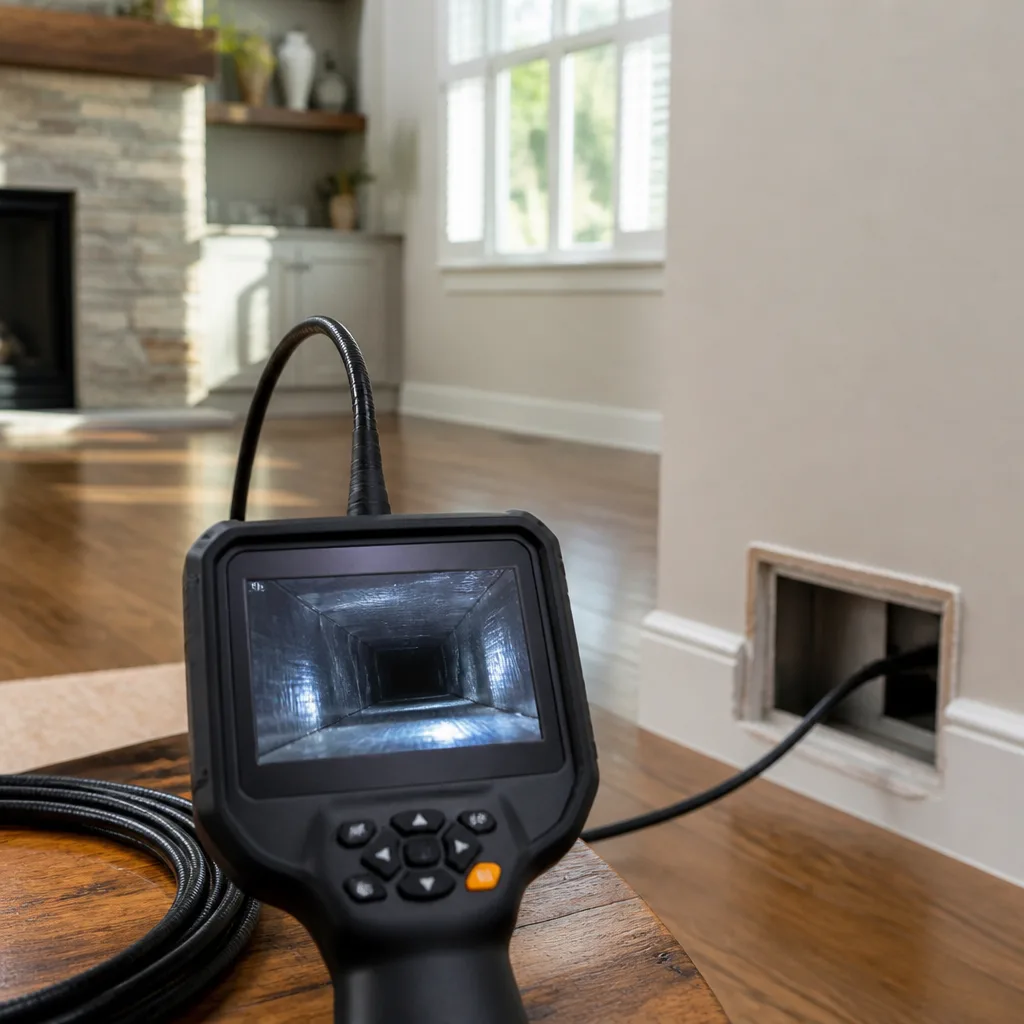 Camera inspection
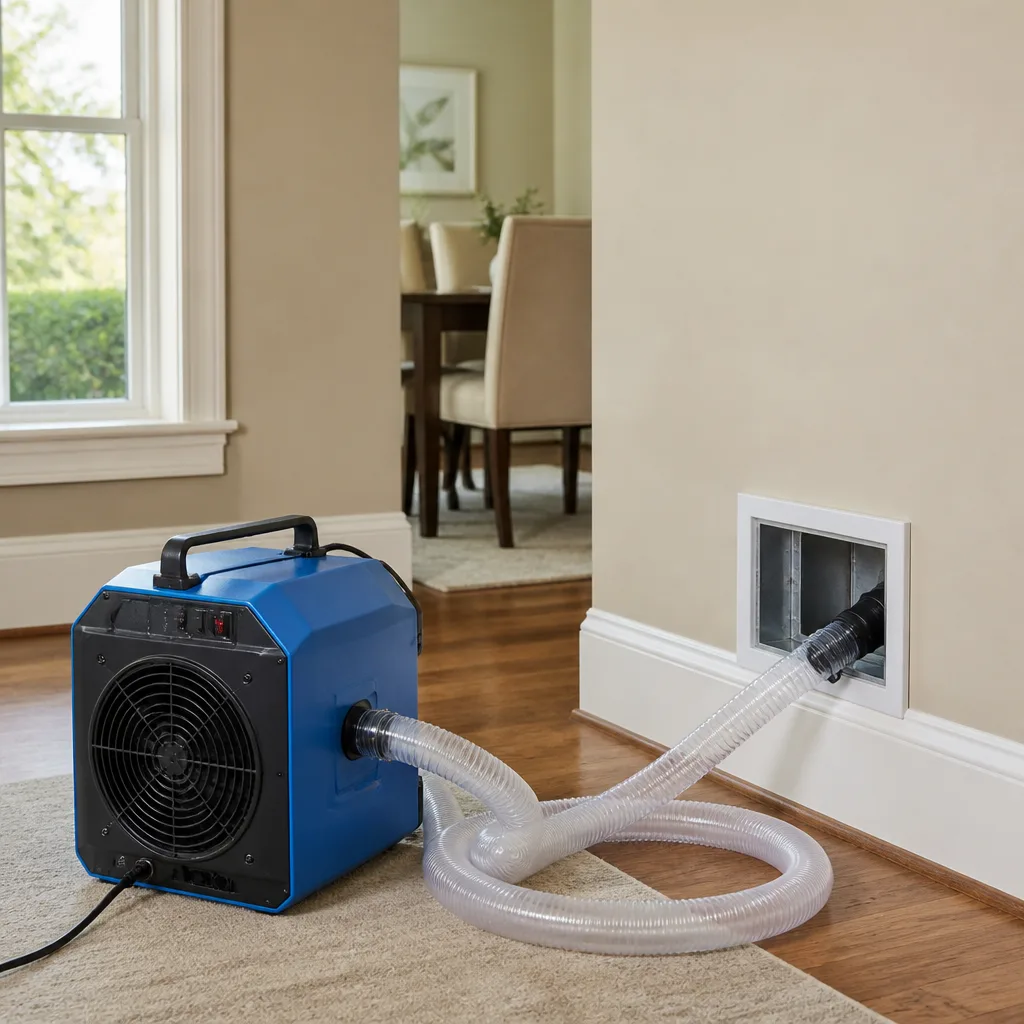 Sanitizing & deodorizing
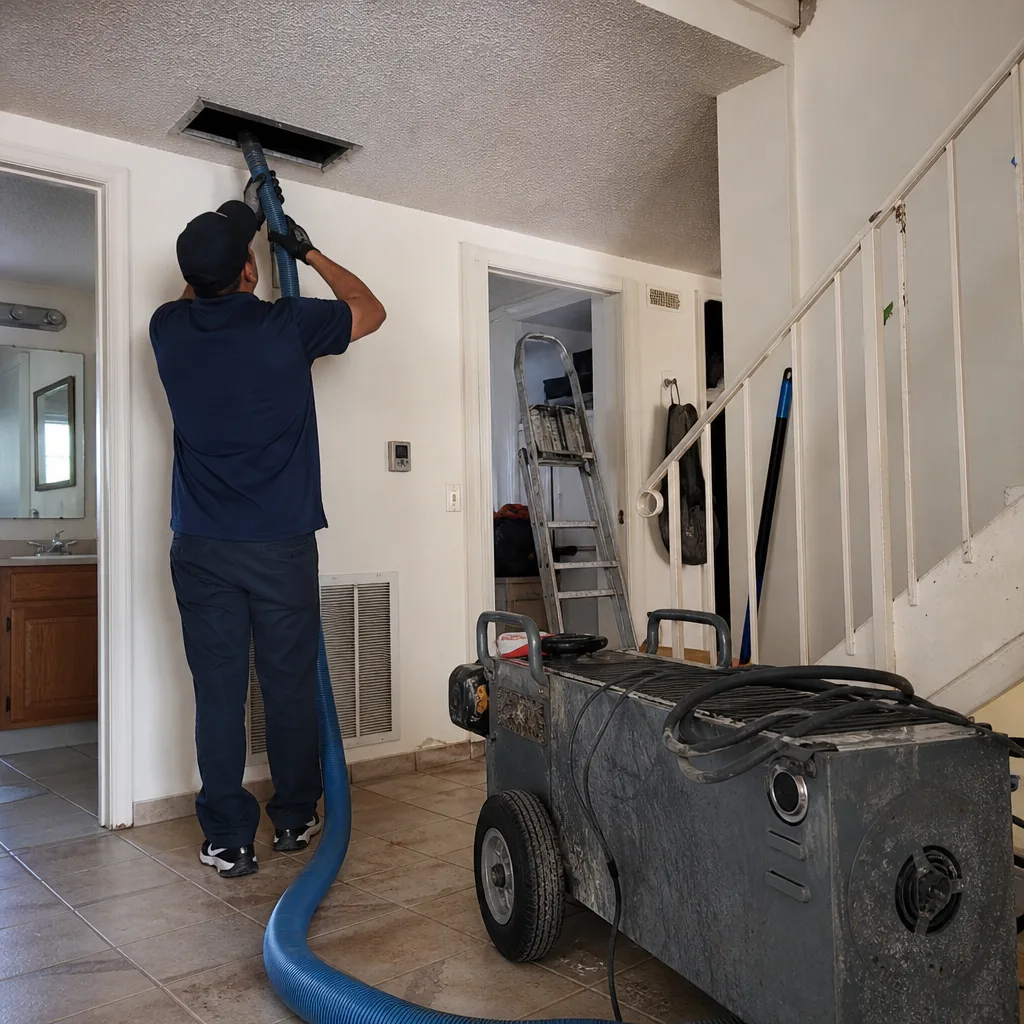
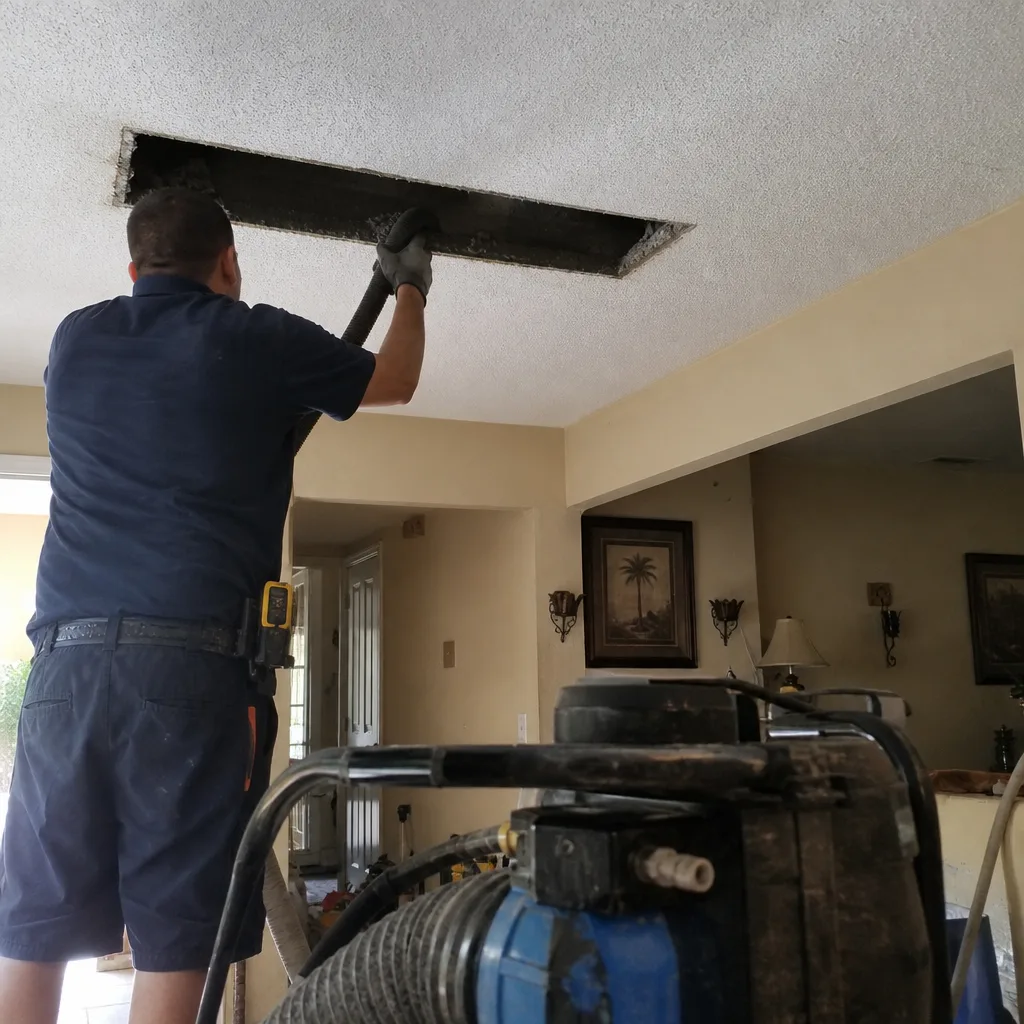
Whole-system duct and dryer vent check with before-and-after photos - you see exactly what came out of your vents
That "$99 whole-house special" is a bait ad - the real number appears once they are in your hallway, or the "clean" is a shop-vac at the register. We photograph the inside of your ducts before and after instead.
Air Duct Cleaning Warning Signs: A Brandon Homeowner’s Reference Guide
A sudden musty smell gets attention. A 15% increase in your FPL bill over three months gets blamed on rate hikes. Both can point to the same contaminated duct problem, but only one of them sends people to Google. The dramatic signs are the ones homeowners notice; the subtle ones are the ones that actually tell you what’s failing inside the system. In this guide, we’ll walk through the warning signs that matter in Brandon, from pressure leaks at the registers to odor patterns that implicate specific parts of the ductwork, and show you how to read them before the problem gets expensive.
Quick Answer
The main air duct cleaning warning signs in Brandon are visible dust rings around registers, uneven airflow between rooms, persistent musty or chemical odors, unexplained rises in FPL energy usage, and biological growth patterns on or near vents. In a humid climate like Brandon’s, microbial growth often starts inside the air handler first, which means the ducts can look fine while the source is upstream. When several of these signs appear together, it usually points to a full-system issue, not just a dirty vent.
Styles & brands we work with
- Whole-home duct cleaning
- Dryer vent cleaning
- Camera inspection
- Sanitizing & deodorizing
Table of Contents
- Reading Your FPL Bill as a Diagnostic Tool
- Dust at Registers vs. Dust Rings Around Registers
- Odor Classification: Musty, Burning, and Chemical
- Airflow Asymmetry: The Tissue Test at Every Register
- Black, Green, and White Growth: What Brandon Humidity Does to Ducts
- Why the Air Handler Matters More Than the Duct
- Repair vs. Clean: Knowing Which Problem You Have
- Dryer Vents: A Warning Sign System of Their Own
Reading Your FPL Bill as a Diagnostic Tool
An HVAC system with duct leaks or blockage runs longer and harder than one with a sealed, clean distribution network. That extra run time shows up on your FPL usage chart before it shows up anywhere else, often weeks before you feel an airflow problem or smell an odor. A steady climb of 10% to 15% over two or three billing cycles, with no change in household habits, is worth investigating.
Here’s how to read your FPL usage data with duct problems in mind:
- Compare the same months year over year. Seasonal shifts in Florida follow a predictable curve, so a rise that breaks that curve is the one that matters. If last June and this June differ sharply, the difference is likely in the system.
- Check the daily usage chart, not just the monthly total. A system with a leaking return or a disconnected run often shows a flat high line on hot days, meaning the AC is running almost continuously instead of cycling.
- Cross-reference the spike against your thermostat setpoint. If you raised your setpoint and the bill still rose, the system is likely working against itself. That’s a classic symptom of duct leakage pulling hot attic air into the return.
- Look for one room going warm first. A partially blocked run in one bedroom can drive the whole system into longer run times, because the thermostat never sees the temperature the system is trying to reach.
In our experience across Brandon homes, energy consumption is the diagnostic most people skip because it doesn’t feel like a duct problem. It’s also the one that shows up earliest. If the FPL data points toward overrun, the next step is a full visual inspection of the distribution system, which our air duct cleaning service begins with before any equipment comes off the truck.
Dust at Registers vs. Dust Rings Around Registers
Dust on the face of a supply register is normal. Air moves through, dust settles on the slats, you wipe it off eight times a year. Dust built up in a ring shape around the perimeter of the register frame, or dark streaking along the drywall where the register meets the ceiling, means something different. That pattern indicates air is escaping around the register boot, not just through it.
A dust ring around a register is a pressure and filtration bypass problem. Three things typically cause it:
- An unsealed register boot. The metal box behind the register was never sealed to the drywall with mastic or tape during installation. Air leaks around the edges, pulling attic or wall-cavity dust into the room. In many Brandon homes built in the 1990s and 2000s, this is the single most common cause.
- A collapsed or disconnected duct connection. The flex duct feeding the boot has come loose, so the register is mostly pulling air from the wall cavity instead of the system. It looks like a dust problem; it’s actually an air distribution problem.
- A return-side leak near a supply. When a return duct runs close to a supply and leaks, low-pressure air draws dust particles toward the leak point, which then settle in a ring pattern on nearby surfaces.
Here’s the practical test. Wipe the ring away with a damp rag and see how long it takes to return. If it’s back within a couple of weeks, the leak is active and ongoing. If it takes six months, the seal is probably intact and you’re just seeing dirt migration. If you want to eliminate the specific cause, that’s a job for an inspection, not a cleaning. When our technicians find rings on multiple registers in the same room, they check the boot seals and both ends of every duct run feeding that room before touching the equipment. We don’t just clean what’s dirty, we check what’s broken.
Odor Classification: Musty, Burning, and Chemical
Smell is one of the most reliable early warning signs, but only if you can distinguish what you’re smelling. A musty smell, a burning smell, and a chemical smell point to three entirely different failure modes in the duct system, and each needs a different response. Treating them all as “the ducts are dirty” is how people end up paying for cleaning that doesn’t solve the actual problem.
Musty odor
A musty, earthy smell that gets stronger when the system first starts suggests biological growth somewhere in the air handler or the ducts. In Brandon’s humid climate, this is common when the evaporator coil stays wet between cooling cycles or when a return duct runs through a humid garage or attic. A musty odor can come from growth on the coil itself, in the duct liner, or on the interior of a flex duct. This is the odor class most often associated with air handler problems rather than the ducts alone.
Burning or hot electrical odor
A smell that resembles burning dust or overheated wiring should stop the investigation into ducts and redirect it to the electrical and mechanical side. A small amount of burning dust smell is normal during the first AC run of the season; a burning smell that persists, or that comes with the system running longer than usual, needs a technician to look at the blower motor, wiring, and control board. Do not treat this as a duct cleaning issue. Shut the system off and call for service.
Chemical or solvent odor
A sharp chemical smell, similar to plastic or a fresh paint odor, often points to external infiltration, meaning fumes from a garage, an attic treatment, or an adjacent space are being pulled into the return. It can also indicate degradation of a duct liner on older insulated flexible ductwork. If the smell only appears when the system runs, and only at certain registers, the source is somewhere in that specific duct run. Tracking which registers produce the smell narrows it down quickly.
We classify odors by the register they come from, the time of day they appear, and whether they linger after the system stops. Those three data points point to the source almost every time. If the smell appears only at one register, the issue is local to that run. If it’s everywhere, start at the air handler.
Airflow Asymmetry: The Tissue Test at Every Register
A room-by-room airflow comparison is the simplest diagnostic a homeowner can run without tools. The idea is to check whether all registers in the home are pushing a similar volume of air, or whether some are noticeably weaker. Uneven airflow is a strong indicator of a partially blocked, poorly sized, or disconnected duct run, and it’s the kind of problem a simple cleaning won’t fully solve.
Here’s how to run the tissue test at each register:
- Get a single-ply sheet of tissue, the lightest you have. Turn the system on and let it run for five minutes so it stabilizes.
- Hold the tissue flat against the supply register grille. The tissue should flutter steadily and get pushed out from the register.
- Note how far the tissue is pushed. Strong registers push it several inches. Weak ones barely flutter.
- Compare every register in the home. The strongest registers set the baseline. Registers noticeably weaker than that baseline are the ones to investigate.
- Repeat at the return grilles. Returns should pull the tissue toward them firmly. A weak return often points to a filter restriction or a return-side blockage, not a supply-side problem.
In a Brandon home, a single weak register in a back bedroom often means a disconnected flex duct in the attic, especially in homes with ductwork that runs through unconditioned attic space. Weak registers in a whole zone of the house often point to a partially closed damper or a crushed flex duct. Whole-home weakness points to a blower or filter problem, not a duct cleaning issue. The tissue test takes fifteen minutes and narrows the search more than most equipment-based diagnostics.
Black, Green, and White Growth: What Brandon Humidity Does to Ducts
Biological growth at or near registers is often the first visible sign that a duct system has a moisture problem, not just a dust problem. In Brandon’s humid climate, growth is common enough that we grade it by color, because each pattern tends to point at a different part of the system. The color is a signal, not a diagnosis, but it’s a useful one.
Black growth
Black, soot-like spotting on or around a register grille usually indicates growth that’s been active for a while, and it often appears at registers closest to the air handler. If it’s isolated to one room, the growth is likely within that specific duct run or the boot. If it appears at multiple registers across the home, the source is upstream in the air handler or on the coil.
Green or grey-green growth
Green growth is often associated with a damp duct liner or a wet interior surface inside the air handler cabinet. In Brandon, this pattern frequently shows up in homes where the AC runs hard, the coil stays wet, and the drain pan isn’t clearing quickly. The ducts are rarely the whole story.
White or powdery growth
White, powdery deposits on the exterior face of a register or on the drywall around it are usually dust and mineral deposits from humidity cycling, not biological growth. They’re cosmetically annoying but rarely indicate a duct problem. A wipe test tells the difference: growth resists mild cleaning and returns quickly; mineral deposits wipe away and stay away for months.
In our experience working in Brandon, biological growth almost always starts inside the air handler and the evaporator coil before it ever reaches the ducts. That’s why effective treatment means cleaning the full system, not just the visible duct runs. A company that cleans only the ducts and leaves the coil and cabinet untouched will leave the source in place.
Why the Air Handler Matters More Than the Duct
Most “duct cleaning warning signs” articles point at the registers and stop there. You’ll get a more accurate picture if you look at the air handler first. In a humid Florida climate, the air handler cabinet and the evaporator coil are the two surfaces that stay wet longest, and wet surfaces are where biological growth and dust accumulation compound fastest. A duct system that looks clean can be downstream of an air handler that’s the actual source of the problem.
Three places to check at the air handler:
- The filter slot and surrounding cabinet. If the filter doesn’t sit flush, unfiltered air bypasses the filter and deposits directly on the coil. That bypass is common in older cabinets and often goes unnoticed.
- The evaporator coil. A coil that’s matted with dust or growth restricts airflow, which makes the whole system run longer, which drives up your FPL usage, which is the sign you noticed in the first place.
- The drain pan and condensate line. Standing water in the pan or a slow-draining line keeps the cabinet humid between cooling cycles. In Brandon, this single factor explains a large share of musty odor complaints.
We use Abatement Technologies negative-air equipment during cleaning specifically because it captures dislodged debris at the source, including what comes off the coil and cabinet. Without negative air pressure, dislodged material can relocate to other rooms. That containment step is what separates a full-system clean from a shop-vac wipe-down.
Repair vs. Clean: Knowing Which Problem You Have
Several of the warning signs in this guide are cleaning problems and several are repair problems, and the two look similar from inside the house. A dust ring around a register and a weak register both look like “dirty ducts,” but one is a seal failure and the other is a disconnected run. If you clean a system with a disconnected duct, you’ve cleaned a system that will immediately fill back up with the same attic dust it was pulling in before.
Here’s how to tell the difference:
- Count the signs. One or two isolated signs (dust at one register, mild musty smell) usually point to cleaning. Four or more signs across the home (energy climb, multiple dust rings, uneven airflow, odors in several rooms) usually point to a seal or repair issue.
- Check the air handler before committing. If the coil and cabinet are clean but registers are still dusty or smelling, the source is in the ducts. If they’re heavily fouled, cleaning starts there.
- Look for evidence of past repair work. Visible mastic, tape patches, or new flex duct in the attic suggests previous repair activity. If the warning signs have returned, the seal likely failed.
- Run the tissue test twice. Once with the system on, once with a shop fan running in the same room. If a room’s weak register doesn’t recover when the room fan is turned off, the duct run is the issue.
Our Duct Cleaning Brandon team treats repair as a standalone service specifically because cleaning without fixing the breach makes the cleaning pointless. When we find a failed seal or a crushed run, we address it before the extraction step, so the system is sealed when the cleaning finishes. Our technicians have up to 14 years of experience identifying these failures, and running Rotobrush and Nikro equipment means the tools match the diagnosis.
Dryer Vents: A Warning Sign System of Their Own
Dryer vents share a warning-sign vocabulary with ductwork but the stakes are different. Lint buildup in a dryer vent is a documented fire hazard. If you notice the dryer taking significantly longer to dry a load than it used to, or the exterior vent flap not opening fully, or the top of the dryer feeling hotter than usual, those are all signs of restriction. The dryer vent is not a duct cleaning problem; it’s its own service, and it deserves its own inspection.
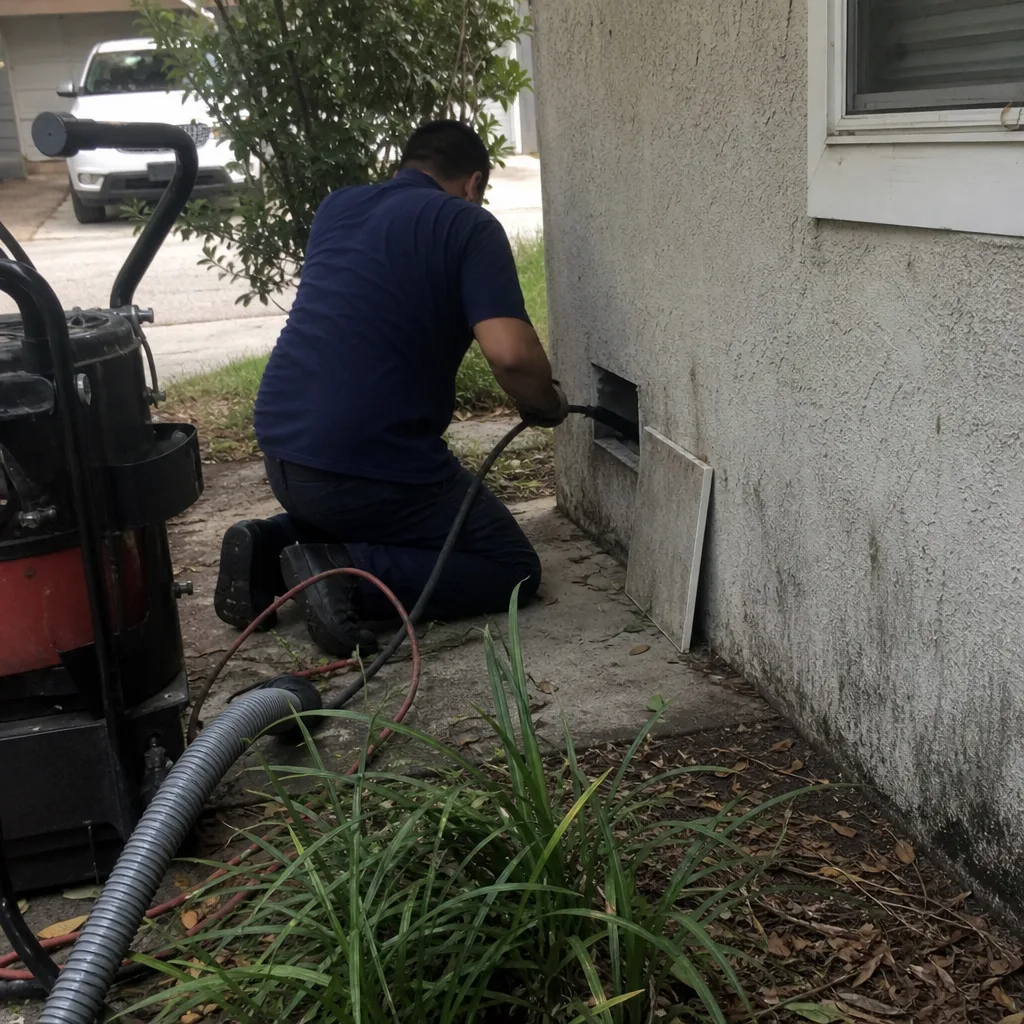
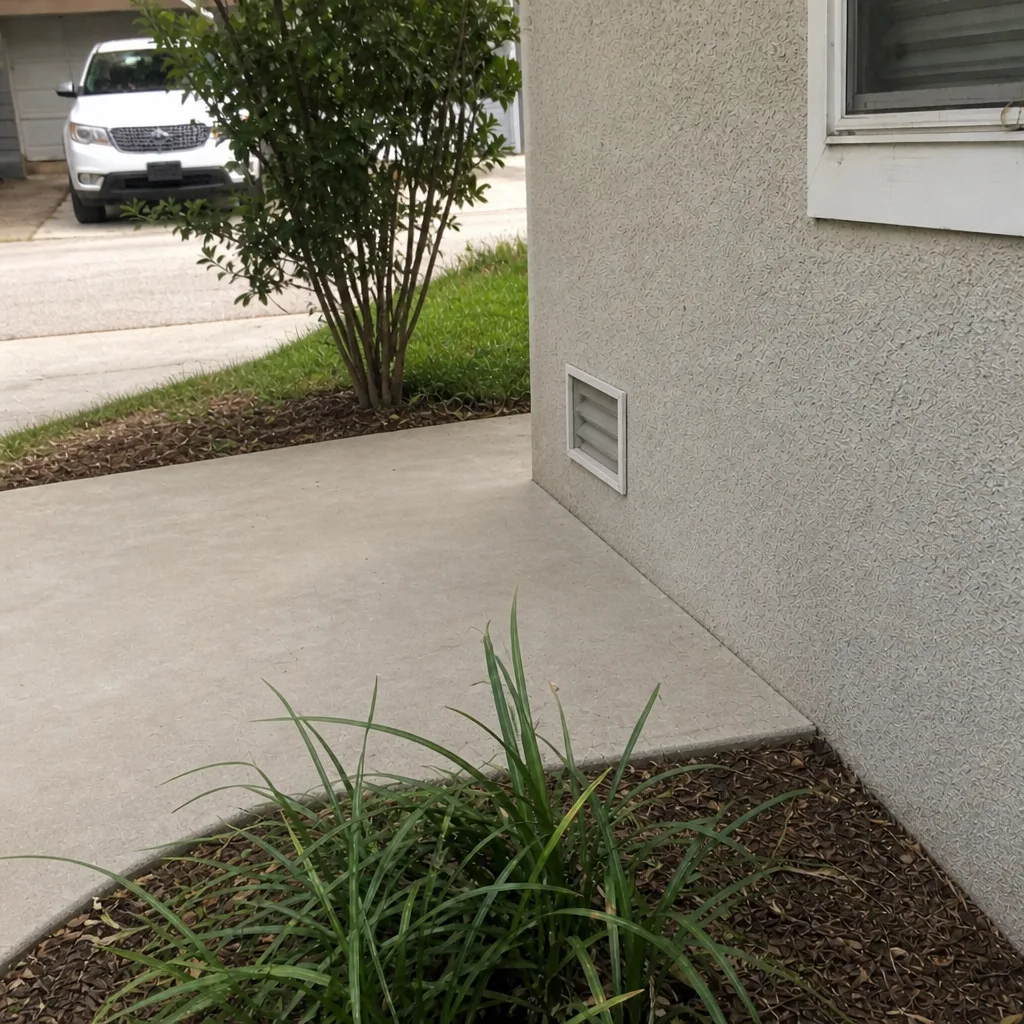
Three dryers’ worth of lint in one Brandon home is not unusual to find when we run dryer vent cleaning, especially where the vent run is long, has multiple elbows, or exits through a screen the homeowner isn’t checking. We recommend an inspection whenever dry times start creeping up, and every year or two as a baseline.
Common Mistakes to Avoid
- Assuming dust at registers means it’s time to clean the ducts. Surface dust at the slats is normal. Look for rings around the frame or ongoing dust in the room, not just at the register.
- Treating the FPL bill as unrelated. In Brandon, a bill that climbs against last year’s curve is often the first sign of duct leakage or a disconnected run. Read the daily usage chart before calling a technician.
- Booking a cleaning before diagnosis. If the tissue test shows uneven airflow across the home, book an inspection first. Cleaning a system with an active leak wastes the clean.
- Confusing chemical smells with musty smells. A chemical or burning odor is not a duct problem and shouldn’t be treated as one. Turn the system off and get a technician on the mechanical side.
- Cleaning only the ducts and skipping the air handler. In a humid climate, the coil and cabinet are where biological growth starts. A clean duct system downstream of a fouled coil stays dirty.
- Ignoring the dryer vent because the dryer still works. Dryer time creep is a fire-hazard indicator, not just an efficiency issue. Most duct cleaners don’t touch dryer vents; check that whoever you book actually services them.
- Choosing the lowest quote without asking what equipment is used. A shop vac and a purpose-built Rotobrush system are not interchangeable. Ask which equipment and whether negative air pressure is part of the process.
See the difference
 Before
 After
 Before
 After
 Before
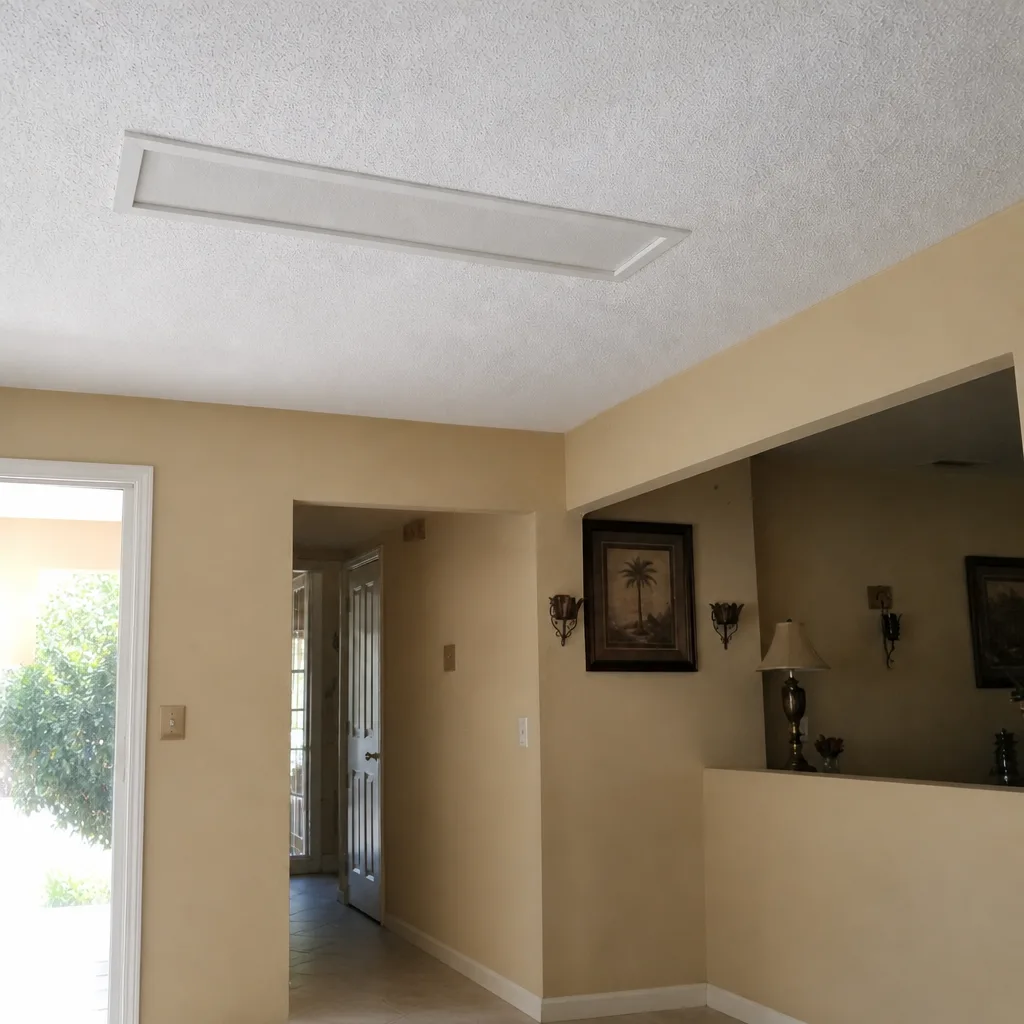 After
When to Call a Professional
Call for an inspection when several warning signs appear together: an FPL usage climb you can’t explain, dust rings that return within weeks, musty odors that get worse when the AC starts, or a whole zone of the house running weak on the tissue test. Call immediately if you smell burning or hot electrical odor; shut the system off first. And call before a deep clean if the ducts have never been assessed since a major renovation, because construction dust often needs a different treatment approach than ordinary buildup.
For homeowners in Brandon who want the full picture checked in one visit, Duct Cleaning Brandon works with Honeywell and Aprilaire systems and offers a single visit covering duct cleaning, dryer vent cleaning, and air duct repair. We use Rotobrush and Nikro equipment with Abatement Technologies negative-air containment, so the diagnosis and the fix come from the same crew. If you’re not sure which service you need, we can walk through the warning signs on the phone before we book the appointment.
Frequently Asked Questions
The most reliable signs are dust rings around registers, uneven airflow between rooms, persistent musty odors, and an FPL usage climb that can’t be explained by weather or habits. In Brandon, biological growth on registers or in the air handler is also common because of humidity, but that’s usually an air handler issue before it’s a duct issue. If two or more of these signs appear together, it’s worth calling for an inspection.
Costs in Brandon depend on the size of the system, number of registers, and whether repair work is needed alongside cleaning. We set one flat price per system, agreed in writing before work starts, and never price per vent. Call (844) 834-1263 for a free estimate. The written estimate is the final price.
Cheap quotes usually price per vent, use consumer-grade vacuums instead of purpose-built extraction equipment, or skip the air handler entirely. Those shortcuts reduce cost and also reduce the actual result. We use Rotobrush and Nikro equipment with Abatement Technologies negative-air containment and price the whole system, so what you’re paying for is a method, not a coupon. If a quote looks dramatically lower than another, ask on the call which equipment is used and whether negative pressure is part of the process.
Ask for before-and-after photos of your own system, not stock images. We document each register and the air handler so you can see what changed. If a company can’t or won’t show you the inside of your ducts before and after, that’s your answer.
Most homes in Brandon need duct cleaning every three to five years, more often if there are pets, recent renovations, or a chronic humidity or odor issue. Homes without any of those and with a well-sealed system can go longer. It’s a per-home question, and the warning signs in this guide are the real trigger, not a schedule.
If you have multiple warning signs together, especially dust rings on several registers, an FPL usage climb, and a room running weak on the tissue test, you likely need repair before or alongside cleaning. Cleaning a system with an active seal failure just re-fills the system with the same attic dust. We assess both in the same visit and quote them separately so you can see the difference.
You can run the tissue test and read your FPL daily usage chart on your own, and both are worth doing before any call. Wiping down registers is fine. But investigating duct runs, sealing boots, cleaning the coil, or working inside the air handler involves electrical components and confined spaces and should be left to a trained technician. Electrical panel and blower work in particular is dangerous, and a home duct system is not a DIY workspace once you’re past the register face.
The Bottom Line
The warning signs that matter most in Brandon are the quiet ones: a bill that climbs without explanation, a room that runs weak while the rest of the house is fine, and dust that comes back in the wrong shape or in the wrong place. Visible mold and total airflow loss are late-stage signs, not early ones. When two or three of these warning signs cluster at once, it’s more often a system-level problem (a leak, a disconnected run, or a fouled air handler) than a simple cleaning need. Read the FPL chart, run the tissue test, and note where the dust is forming before you call. Our team at Brandon can walk you through the signs on the phone and recommend the right service for what you’re seeing.
Call (844) 834-1263 for a free estimate. We answer 24/7. Fast dispatch from 7am to 7pm, Sunday through Friday. We use Rotobrush and Nikro equipment with Abatement Technologies negative-air containment for every full-system job, and we work with Honeywell and Aprilaire systems without risk of damage. One flat price per system agreed before work starts, before-and-after photos of your own ducts, and no per-vent pricing.
Written by the team at Duct Cleaning Brandon.