
Last updated November 15, 2026
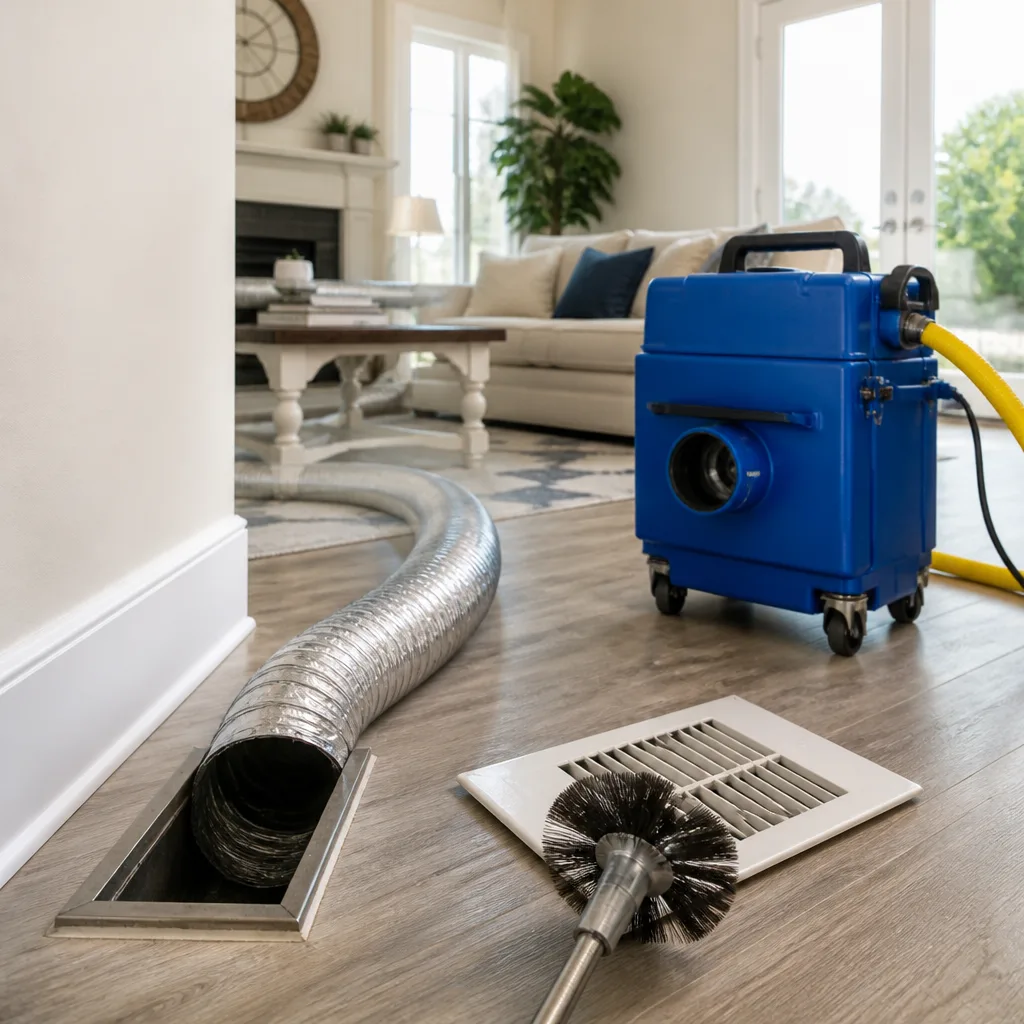 Whole-home duct cleaning
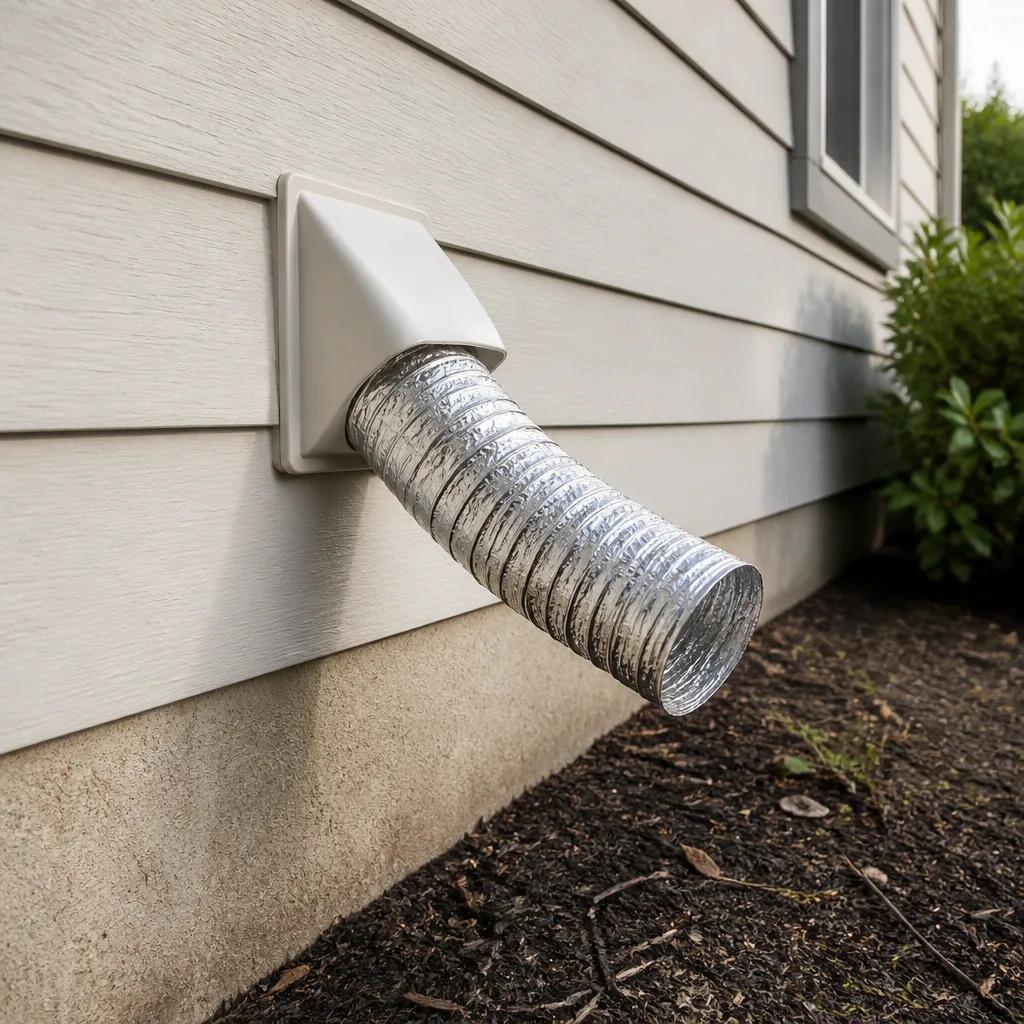 Dryer vent cleaning
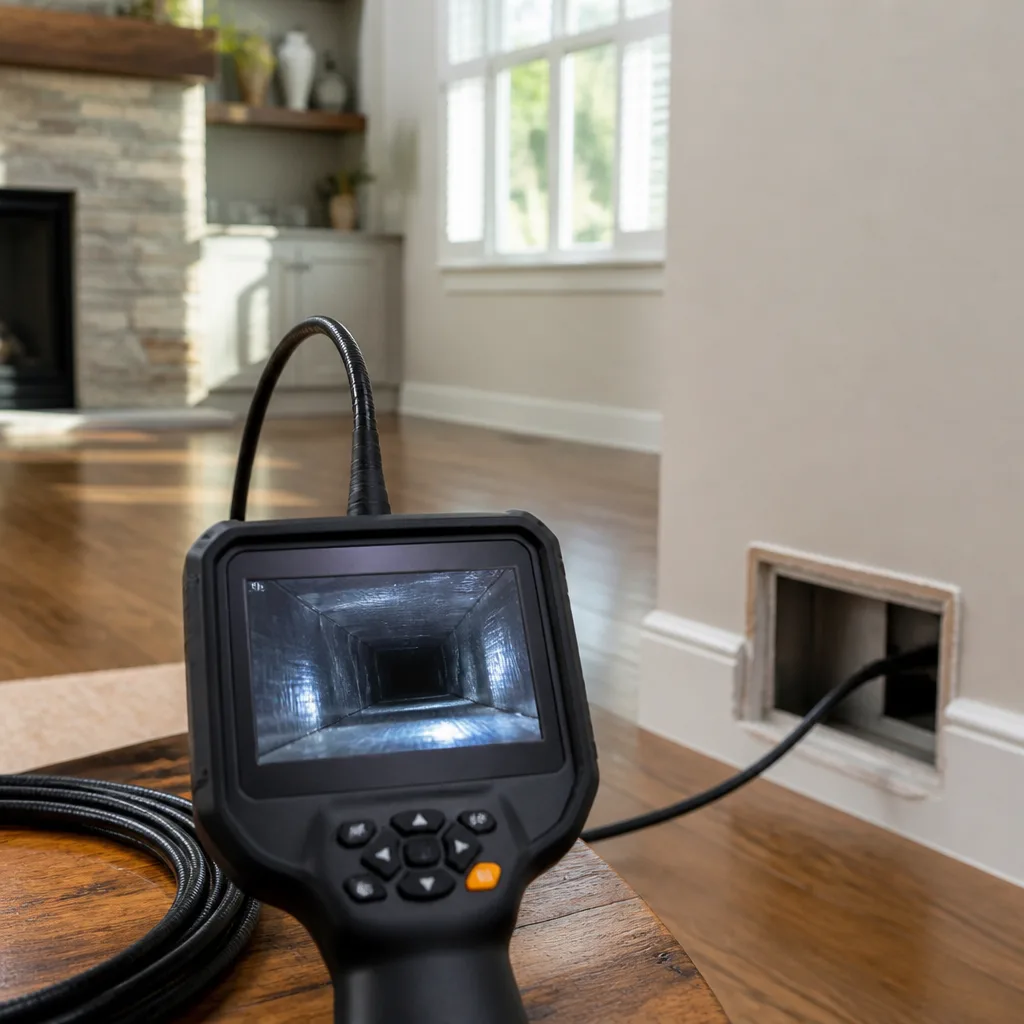 Camera inspection
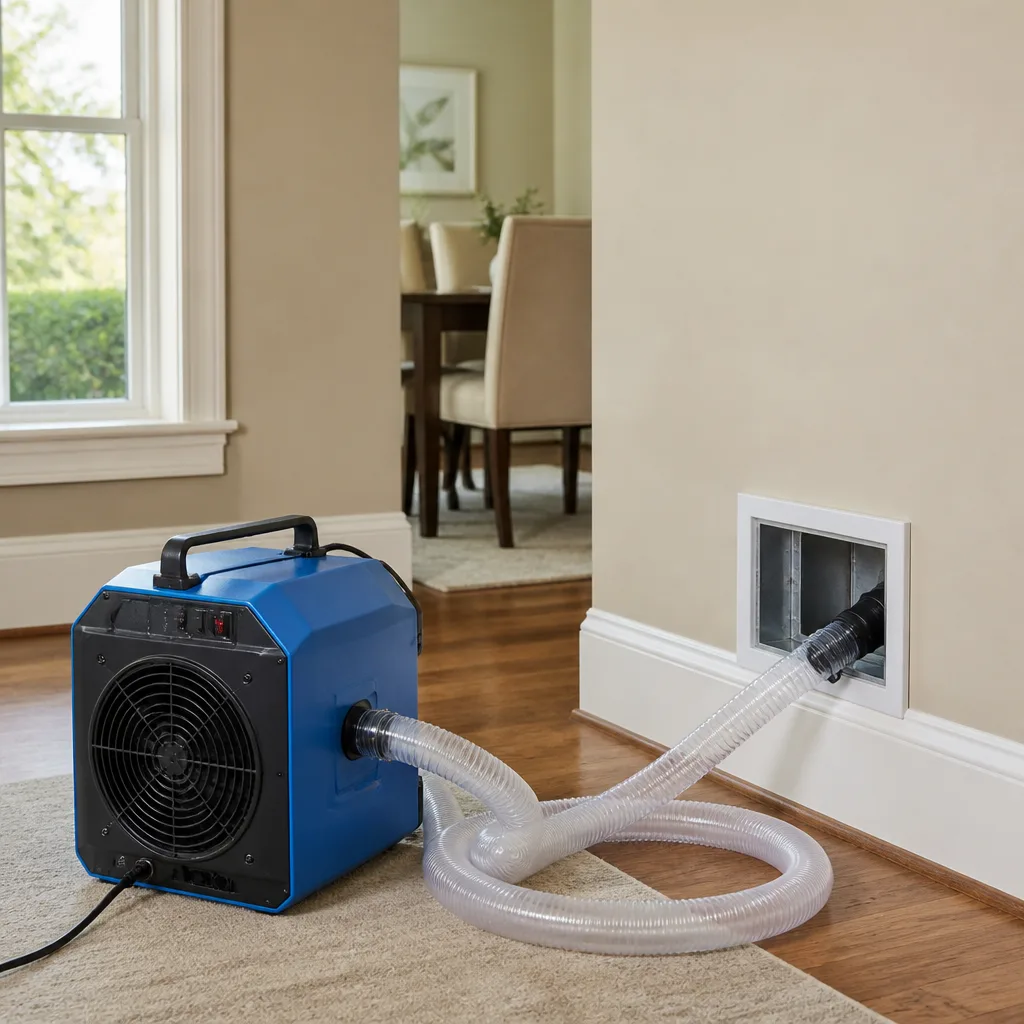 Sanitizing & deodorizing
Whole-system duct and dryer vent check with before-and-after photos - you see exactly what came out of your vents
That "$99 whole-house special" is a bait ad - the real number appears once they are in your hallway, or the "clean" is a shop-vac at the register. We photograph the inside of your ducts before and after instead.
Air Duct Cleaning Permits, Codes & Inspections in Brandon, FL: What You Need to Know
Here’s the part most homeowners don’t hear until it’s too late: the cleaning visit itself is almost always permit-free, but the duct repairs that cleaning reveals frequently are not. A tech pulls a register, finds a collapsed run or a disintegrated liner, and suddenly you’re making a modification to your home’s mechanical system. In Hillsborough County, unpermitted duct work on record can stall a closing for weeks while everyone scrambles to get it inspected and documented. This guide walks through what Florida Building Code Section 603 actually says, when a repair crosses the permit threshold, how to check what was done to your ducts before you owned the house, and where our scope as a duct cleaning company ends and a licensed mechanical contractor’s begins. If you own a home in Brandon, keep this one bookmarked.
Quick Answer
In Brandon, FL, routine air duct cleaning does not require a permit. Duct repair, modification, or replacement of duct runs often does, because those are mechanical work governed by Florida Building Code Section 603 and typically fall under a Hillsborough County mechanical permit. If the scope goes beyond cleaning, sealing small accessible joints, or a like-for-like flex duct swap of a short run, a licensed mechanical contractor should pull the permit and the work should be inspected.
Styles & brands we work with
- Whole-home duct cleaning
- Dryer vent cleaning
- Camera inspection
- Sanitizing & deodorizing
Table of Contents
- What Does Florida Building Code Section 603 Cover?
- When Does Duct Repair Cross the Permit Threshold?
- Hillsborough County: Verifying Past Duct Work and the Mechanical Inspection Process
- The Duct Sealing Distinction: Aerosol vs. Mastic and Mesh Tape
- Attic Bypasses, Energy Performance, and the Resale Inspection
- When Should a Duct Cleaning Company Pull a Permit vs. Bring in a Mechanical Contractor?
- What Actually Happens on Mechanical Inspection Day
- Keeping Records: The Paper Trail That Saves a Sale
What Does Florida Building Code Section 603 Cover?
Section 603 of the Florida Building Code addresses duct systems: materials, installation, sealing, insulation, and support. It’s the section that says ducts must be installed tight, insulated where they run through unconditioned space, supported at appropriate intervals, and terminated properly at registers and equipment. In practical terms, it’s the rulebook a mechanical inspector opens when they walk a home with ducts on the plan.
Why this matters in Brandon specifically: a large share of the housing stock here was built during the 1980s and 1990s boom when attic-mounted air handlers and flex duct running through blazing attics were standard. Attics in this part of Florida routinely hit 130°F or higher in summer, which ages flex duct, degrades the outer jacket, and dries out tape and mastic over time. When we clean, we regularly find duct runs that have sagged, crushed, or separated from the plenum years ago. Cleaning finds the problem. Section 603 is what tells you and me how the repair has to look.
What Section 603 doesn’t say: it does not require a permit for cleaning. Cleaning a duct system, in the plumbing of code language, is maintenance, not construction. You don’t pull a permit to vacuum a plenum or snake a brush through a trunk line. That’s the clean dividing line and it’s the one most homeowners want to know about first.
What it does say, indirectly: when repair scope touches materials, connections, or run configuration, you’ve left maintenance and entered mechanical work. The specifics get read by your local building department, which brings us to the next section.
When Does Duct Repair Cross the Permit Threshold?
The threshold is about scope, not size. A short piece of duct tape re-applied to a joint during cleaning is not a permit-level event. A section of duct replaced, a run rerouted, an entirely new trunk installed, or a major re-seal of a system’s joints is. Hillsborough County’s building department looks at whether the work changes the mechanical system’s configuration, materials, or performance characteristics. If it does, plan on a permit.
Here’s the practical breakdown we walk homeowners through:
- Cleaning only – no permit. Brushing, agitating, and extracting debris from the existing duct system is maintenance.
- Small joint re-seal with mastic or approved tape on accessible connections – usually no permit if it’s a like-for-like seal and no configuration changes.
- Replacing a section of flex or rigid duct, repairing a crushed run, or reconnecting a separated plenum – typically requires a mechanical permit.
- Installing new duct runs, rerouting supply or return trunk lines, or adding a return – requires a mechanical permit and often a plan review.
- Adding or modifying duct board, liner, or insulation systems – permit and inspection almost always required because you’re changing the assembly.
What’s tricky: the line isn’t always obvious from the driveway. Two separate duct repairs might look identical to a homeowner but fall on opposite sides of the permit line based on whether the assembly is being reconfigured. This is where an experienced contractor reads the scope and makes the call before anyone starts cutting. We tell people the same thing every time: if you’re unsure, call the county and describe the scope in plain English. The permitting clerk can tell you in one conversation whether you need to file.
One more point. Even when a repair technically falls below the permit threshold, the work needs to be done to code. Section 603 doesn’t stop applying because a permit wasn’t pulled. It’s a standard of construction, not a procedural box.
Hillsborough County: Verifying Past Duct Work and the Mechanical Inspection Process
If you bought a home in Brandon, Valrico, Riverview, or anywhere else in Hillsborough County, there’s a decent chance some duct work has already been done. Air handler replacements, duct repairs, and partial system redos happen frequently as homes age. The question is whether that work was permitted and inspected, and the answer is discoverable.
Here’s how to verify:
- Start with Hillsborough County’s online permit portal. Address search by property. You’ll see every permitted mechanical, electrical, plumbing, and structural job on record, with dates, contractor info, and inspection status.
- Pull the property’s permit history from the county’s records office if the online portal is missing entries. Older permits sometimes only exist in paper files.
- Compare the permit history to the actual physical ductwork. New flex runs where the history shows only a 2008 air handler change is a red flag. New plenum connections when the last mechanical permit was decades ago is another.
- Ask for the disclosure during a home inspection. Florida requires sellers to disclose known defects, and unpermitted work that a seller is aware of belongs in that disclosure conversation.
On the inspection side, mechanical permit inspections for duct work in Hillsborough usually follow a defined sequence. The contractor files the permit, the work is completed, and the inspector visits to check materials, sealing, support, insulation in unconditioned space, and connection integrity at the equipment and registers. The inspector typically looks at the same Section 603 concerns a careful contractor does: is the duct tight, is it supported, is it insulated where it runs through the attic, does the return draw from the intended space.
Two inspections sometimes apply. A “rough” inspection before ductwork is closed up or covered, and a “final” inspection after the system is complete and running. For most post-cleaning retrofit repairs in a Brandon attic, the work can be observed in a single visit. What matters is the paper trail: a closed permit with a passed inspection is a document your future buyer’s lender and inspector will want to see.
If you’re not sure whether a duct repair you’re considering will trigger a permit, that’s the conversation to have before work starts. We can talk through scope on an air duct cleaning visit and be honest about which side of the line you’re on. When a permit is required, the repair phase needs a licensed mechanical contractor, and that’s a different call.
The Duct Sealing Distinction: Aerosol vs. Mastic and Mesh Tape
Aerosol-based duct sealing (the best-known trade name is Aeroseal) is a different animal from manual sealing, and the permit implications are not the same. Aerosol sealing injects a fog of sealant particles into a pressurized duct system; particles collect at leaks and build a seal from the inside. Manual sealing uses mastic, mesh tape, or approved foil tape applied by hand at accessible joints.
Why the distinction matters:
- Manual sealing is visible, inspectable work. An inspector can look at a joint and confirm the mastic is there and correctly applied. Most small manual re-seals stay on the maintenance side of the permit line.
- Aerosol sealing modifies the duct system’s internal surface with a new material. That change of assembly is where the permit conversation shifts. Some jurisdictions want a mechanical permit because you’re introducing a sealant into the mechanical system; others treat it as maintenance if the sealant is manufacturer-listed for the application and the process is documented. Hillsborough’s interpretation is best confirmed with the building department for your specific scope.
- Hybrid jobs, where an aerosol seal is combined with an actual duct repair (a section replaced, a run reconnected), almost always need a mechanical permit because the repair portion alone triggers it.
In Brandon homes, we see a lot of retrofit duct sealing interest because so much of the housing stock runs duct through hot attics. The best procedure for a homeowner is usually a combination: manually seal the accessible joints first with mastic, then evaluate whether an aerosol process is warranted for the inaccessible runs. That gives you inspectable work where it counts and a clear scope decision before any invoice appears.
What we don’t do: we don’t tell a homeowner that aerosol sealing is or isn’t permitted in their case. That’s a mechanical contractor and building department call. What we do is identify the leaks and separations that make sealing worth considering, so the scope conversation is grounded in what’s actually in the ducts.
Attic Bypasses, Energy Performance, and the Resale Inspection
An attic bypass is when a duct, plenum, or chase leaks air between your living space and the unconditioned attic. In a Brandon home, that’s a double hit. In summer, you lose cooled air to the attic. In the cooler months (which do exist here, even if they’re short), you pull hot attic air into the return. Bypasses also depressurize the house and pull outdoor humidity inside, which matters in a climate that runs humid most of the year.
Where the resale inspection comes in: Florida home inspectors check the mechanical system, and any inspector worth the fee will flag disconnected ducts, unsealed plenum connections, and visible attic bypasses. In some cases that flag triggers a buyer’s request for documentation, which triggers a records search, which surfaces unpermitted work. That’s the chain that delays a closing.
Energy performance is the other reason. A home with a Home Energy Rating System (HERS) report or an energy performance certificate on file was modeled against a sealed duct system. If a later duct modification breached the assembly, the modeled performance no longer matches the building. A buyer’s agent or energy auditor can catch that. The fix is not cosmetics – it’s a duct repair that restores the assembly to Section 603 compliance, often with a permit and inspection to document it.
What we’ve learned from cleaning Brandon attics: bypasses are most common at older plenum connections, at flex duct boots that were never sealed to the drywall, and where previous repairs have failed to re-seal after modification. A proper cleaning scopes these and photographs them, so the repair conversation has a visual record. When the repair requires a permit, there should be a licensed mechanical contractor on site. We’re not that contractor. What we are is the company that finds the problem before it’s a bigger one at inspection.
If you’re a property manager with several Brandon rentals and want a routine check across your portfolio, that’s a scheduled Brandon service we handle without the surprise. Ducts that pass through hot attics need eyes on them.
When Should a Duct Cleaning Company Pull a Permit vs. Bring in a Mechanical Contractor?
A duct cleaning company is not the right entity to pull a mechanical permit. That’s a mechanical contractor’s job. What a duct cleaning company can legitimately do is clean, photograph, and report what it finds, then hand the repair scope to a licensed mechanical contractor when the work crosses into permit territory. That division is clean and it protects the homeowner.
Two processes run side by side here, and they help to see both clearly:
- The cleaning phase – this is where Duct Cleaning Brandon operates. We bring professional-grade equipment into the home: Rotobrush and Nikro systems agitate and extract debris at the source, and Abatement Technologies negative-air equipment keeps dislodged particulate contained instead of blowing it through the house. Every cleaning is documented with before-and-after photos of the actual ducts. This phase doesn’t need a permit, and no one should be selling you a permit for it.
- The repair phase – this is where a licensed mechanical contractor operates. If the cleaning reveals a separated trunk, a crushed run, a breached plenum, or anything else that changes the mechanical system, the repair gets scoped, permitted if required, and inspected. We can identify what’s broken and explain what we see. The mechanical contractor pulls the permit and stands behind the repair to code.
Some duct cleaners blur this line. They’ll offer to “fix” ducts with a section of flex and a roll of tape, take cash, and disappear. That leaves the homeowner with unpermitted work in the home’s mechanical system and no record anyone can point to when the home is inspected at resale. In our experience, the cleanup after that kind of work costs more than doing it right the first time.
What we offer that helps here: Air Duct Repair as a standalone service, distinct from cleaning. The point is to identify and fix duct breaches properly – not just clean around them. Where the repair needs a permit, that’s a mechanical contractor’s scope, and we’ll tell you so. What we can guarantee about our own work is that we don’t leave the system in a state that re-contaminates the cleaning we just did.
Door fails at 8pm on a Sunday? Call (844) 834-1263. We answer 24/7 and fast dispatch runs from 7am to 7pm. A call outside dispatch hours gets booked into the next opening, Sunday through Friday. Saturday we’re closed.
What Actually Happens on Mechanical Inspection Day
Understanding the inspection visit takes the fear out of the permit process. The inspector is checking Section 603 compliance, not looking for reasons to fail you. Here’s how a typical mechanical permit inspection for duct work goes.
- Permit and plans on hand. The contractor has the filed permit with scope on site, or on file with the county if it’s a paperless portal. The inspector confirms the scope matches what’s actually installed.
- Materials check. Duct materials are verified for compliance: flex duct rated for the application, rigid duct of approved gauge, duct board meeting the correct specification, and sealants listed for mechanical use.
- Installation check. The inspector looks at support spacing, sag, insulation in unconditioned space, connection integrity at the plenum, boots at registers, and proper sealing at all joints.
- Return and supply configuration. Confirms supply and return paths are intact and to plan, and that the return draws from the intended space.
- Performance observation where applicable. Some inspections include a check that the system moves air through the intended path with no obvious bypass at the assembly.
- Disposition. Passed, failed with specific corrections, or a partial approval with a follow-up visit. Failed items get corrected and re-inspected.
Timing: most mechanical permits in Hillsborough County are filed, inspected, and closed within a matter of weeks when the contractor is on top of the process. The delays happen when a repair is done without a permit and a homeowner is trying to retroactively document it at resale. That’s the upside-down version of the process and it’s the one worth avoiding.
One thing to keep in mind. Attics in Brandon get hot by mid-morning in summer. An inspector visiting a home with an attic-mounted air handler and duct runs will schedule accordingly. That’s normal and not a sign the inspection will be a problem.
Keeping Records: The Paper Trail That Saves a Sale
Whether you sell in six months or sixteen years, the paperwork on your duct work matters. Here’s what to keep together in your home’s documents file:
- Permit numbers and inspection results for any mechanical work, from installation through later repair.
- Cleaning invoices and before-and-after photos from every cleaning visit. Photos of the ducts in their pre-clean state are strong evidence of a maintained system.
- Repair documents from any duct repair, including the contractor’s license, permit number, and inspection sign-off.
- Aerosol sealing records if that was performed, including the sealant manufacturer’s listing and the contractor’s report.
- Air handler service records from any Honeywell or Aprilaire equipment changes, since filtration and humidity control are part of the whole-system picture.
The practical result: when a buyer’s inspector finds unsealed ducts or an ambiguous assembly, you can produce a full record of what was done, who did it, and what was inspected. In our experience documenting cleanings across Brandon, that stack of paper is what turns a flagged item into a closed discussion.
Common Mistakes to Avoid
- Assuming cleaning needs a permit. It doesn’t, and anyone charging you a permit fee on a cleaning-only visit is worth questioning. Duct cleaning is maintenance under Florida’s codes.
- Assuming “repair” is just cleaning plus tape. Once a separation is fixed, a run is reconnected, or a section is replaced, you’ve crossed into mechanical work. That means scope, and often a permit.
- Skipping the records search when buying a Brandon home. Ten minutes on the Hillsborough County permit portal can save a closing from getting delayed weeks later when the buyer’s inspector flags something.
- Letting a handyman pull a duct repair off the books. Unpermitted duct work in a home’s mechanical system is the flag most likely to slow a resale. There’s no convenient version of this mistake.
- Confusing aerosol sealing with manual sealing. The two processes have different code implications in most jurisdictions, and combining them complicates the permit conversation. Get clear on the scope before signing.
- Treating the attic bypass as cosmetic. A bypass in a Brandon attic pulls humidity and heat into the return in ways the home’s energy performance was never modeled for. It’s a mechanical issue, not a cosmetic one.
- Not taking before-and-after photos. Every cleaning should be documented. When a resale inspection happens, photos of clean ducts that were photographed before cleaning carry more weight than a receipt.
See the difference
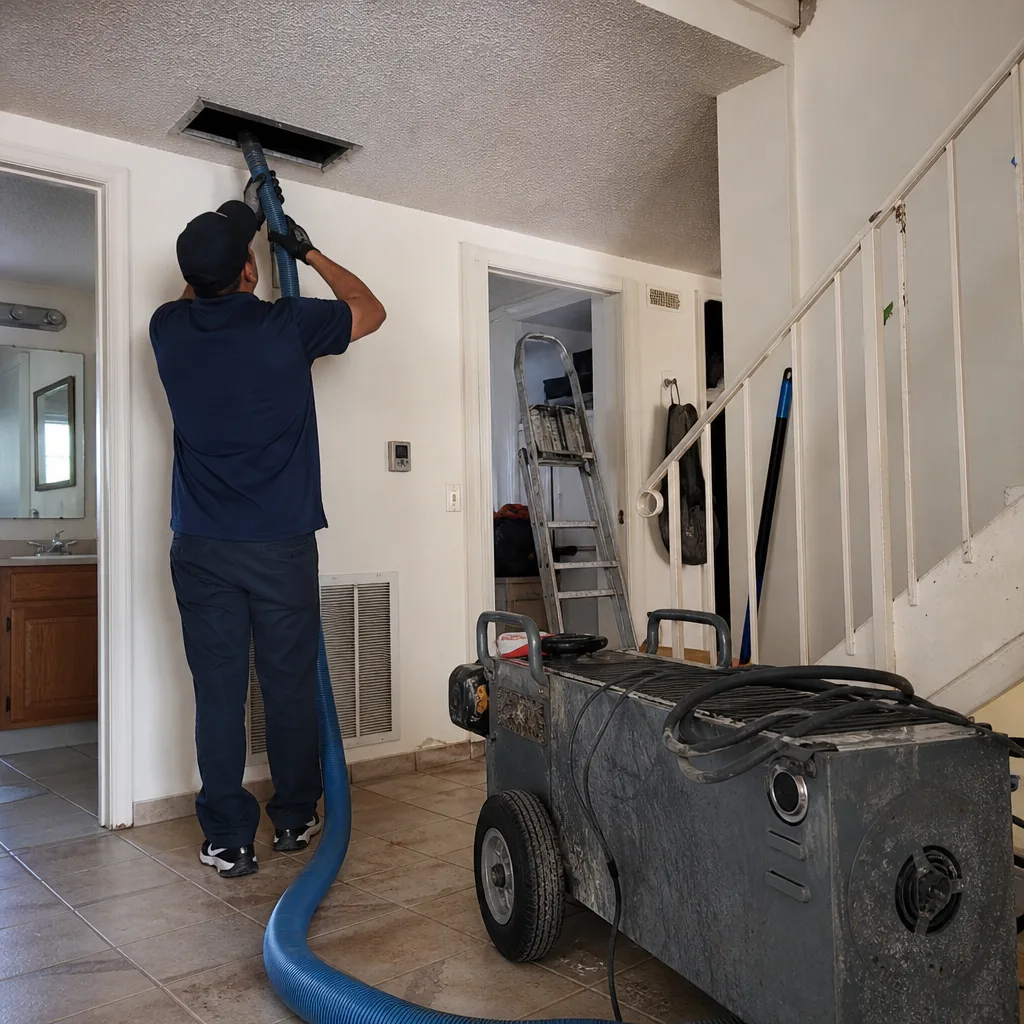 Before
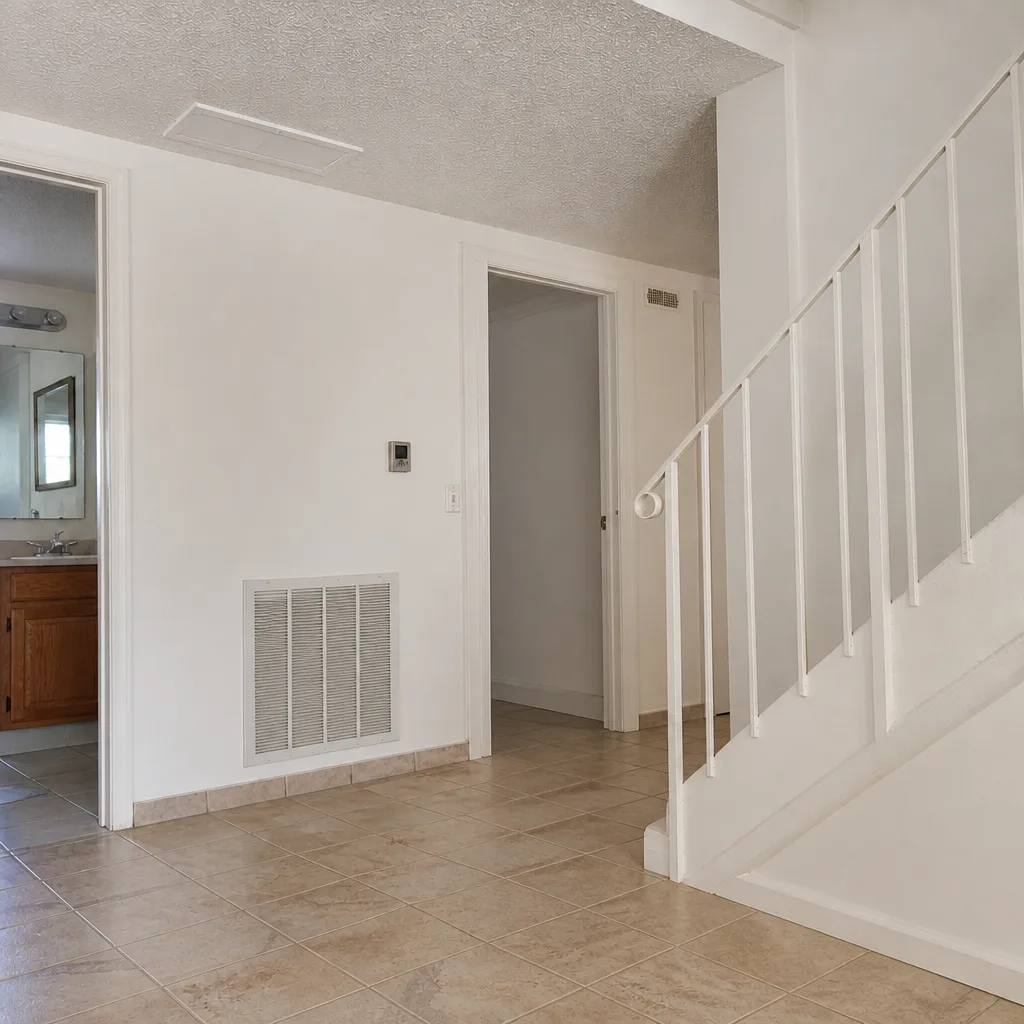 After
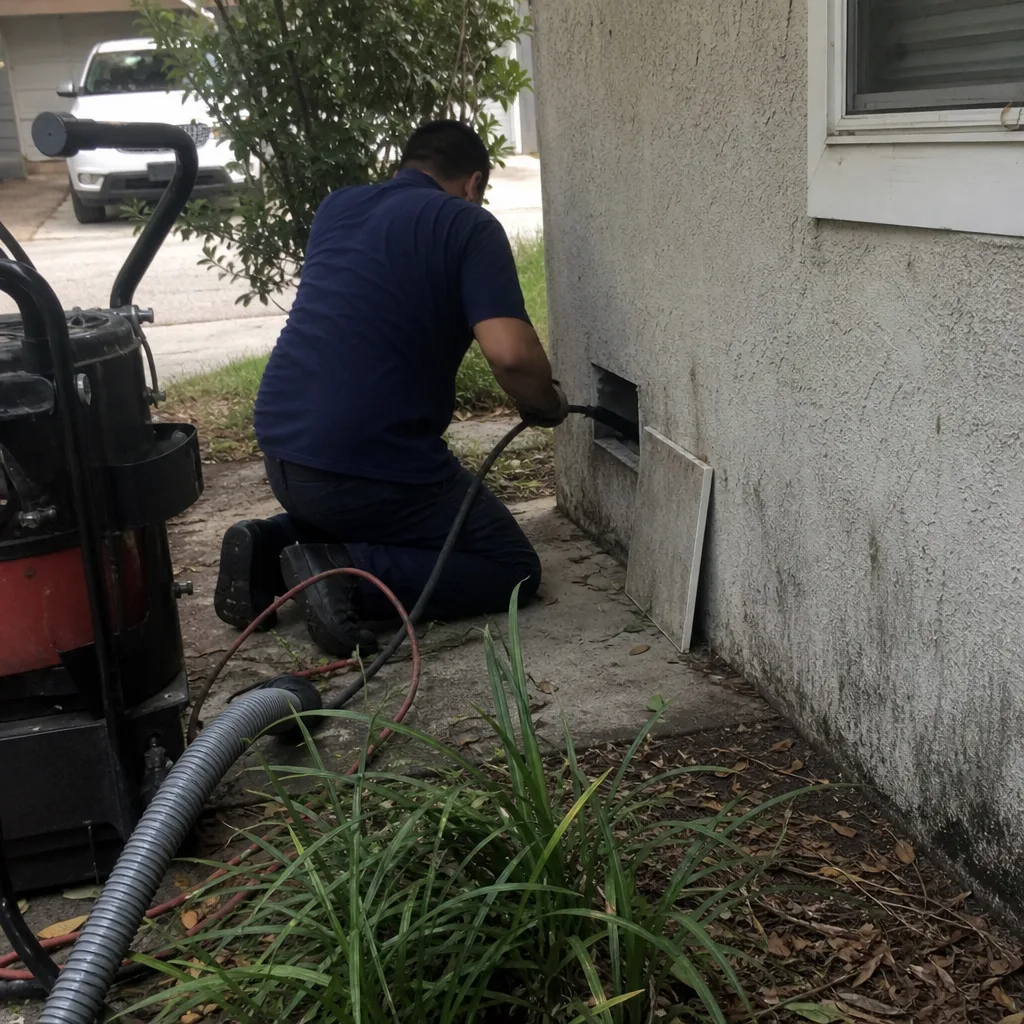 Before
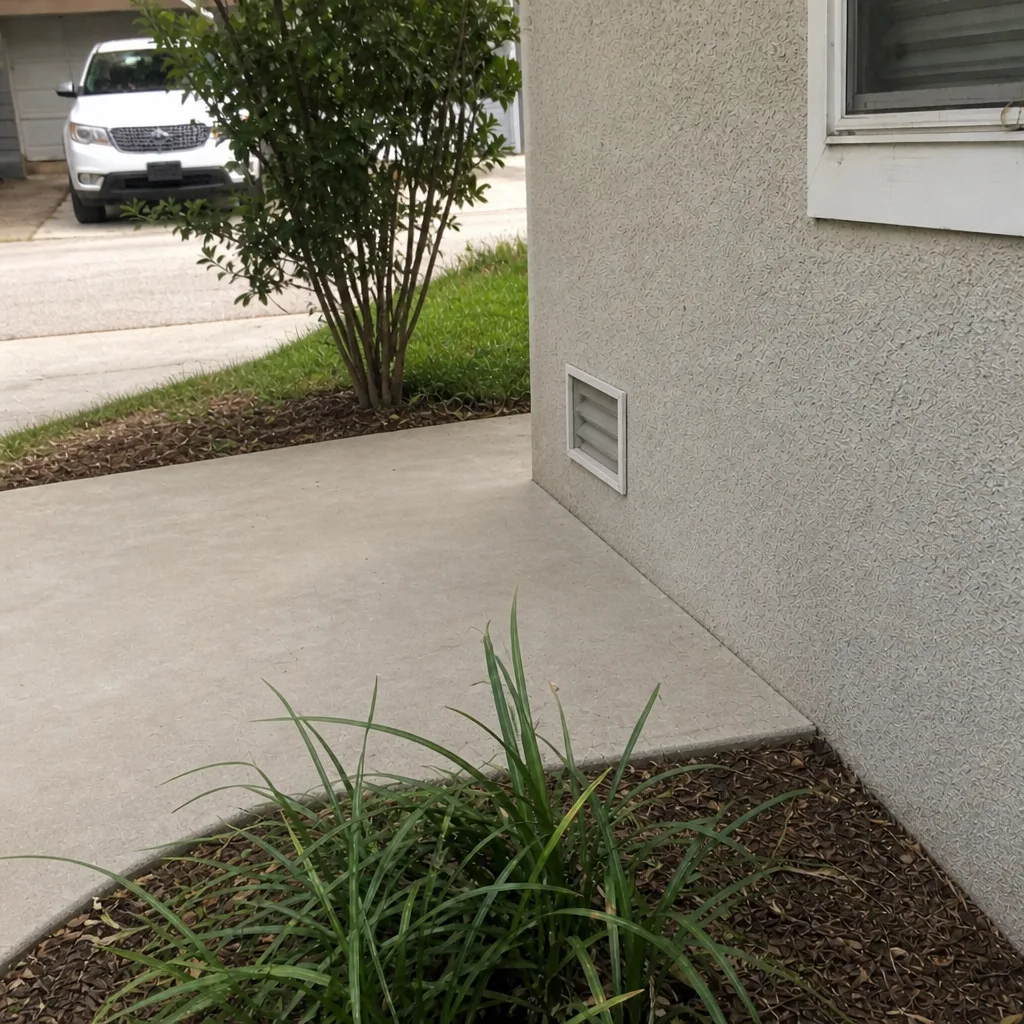 After
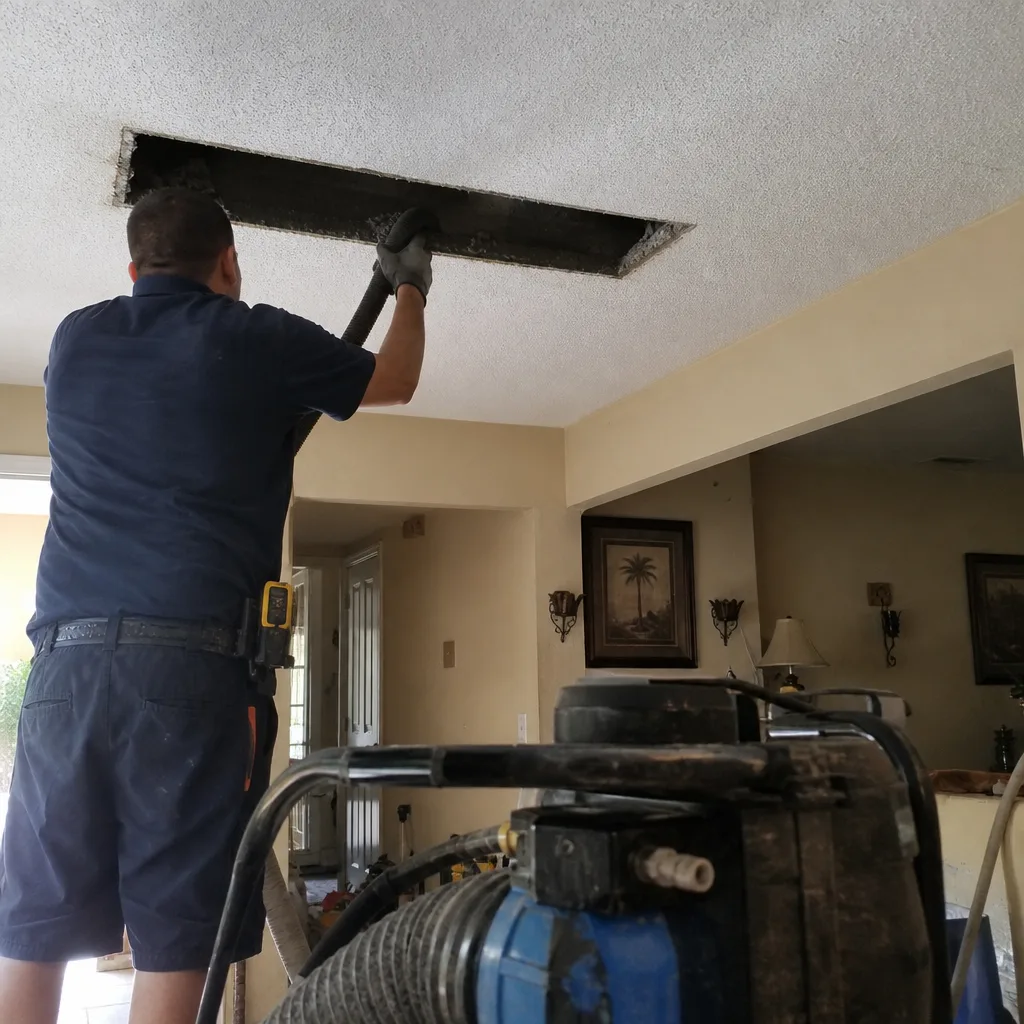 Before
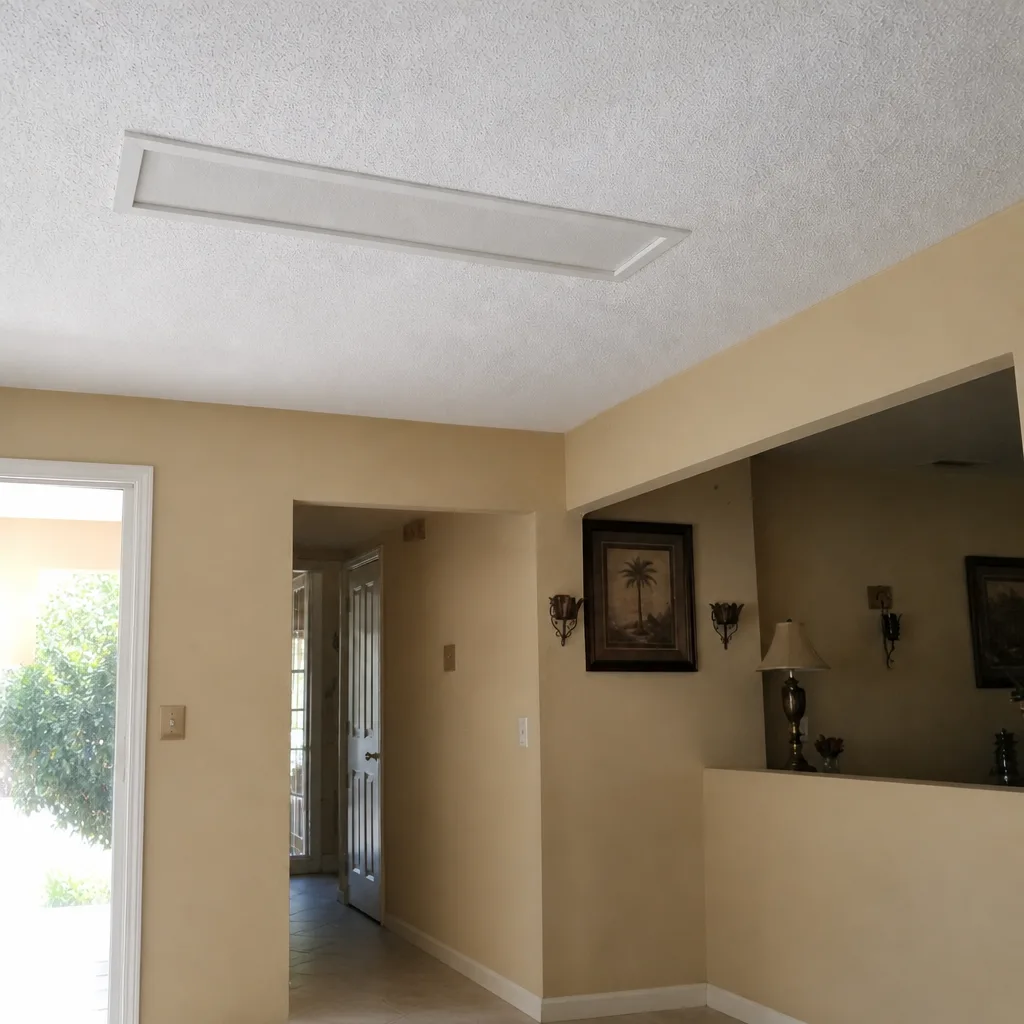 After
When to Call a Professional
Call a professional any time the scope is more than cleaning. That includes: a register that blows weak or not at all, visible dust blow-out on startup, sagging or disconnected flex duct, a separated plenum, a return that feels wrong, or a home inspector’s note on the mechanical system you need to act on. Cleaning before a sale or after a renovation is a professional’s job too, because home-grade equipment mostly redistributes debris instead of capturing it. If you’re in Brandon and want to understand what’s actually in your ducts before deciding on repair scope, Duct Cleaning Brandon offers free estimates in Brandon. Call (844) 834-1263. We answer 24/7, and fast dispatch runs from 7am to 7pm, Sunday through Friday. Our technicians have up to 14 years of experience, and our before-and-after photos show you the ducts we actually cleaned.
Frequently Asked Questions
No. Routine air duct cleaning – brushing, agitating, and extracting debris from the existing duct system – is maintenance under Florida code and does not require a permit. Where homeowners get tripped up is when cleaning reveals a repair. If the scope is more than cleaning, a mechanical permit may apply. Call (844) 834-1263 for an exact scope conversation before work starts; estimates are free.
Section 603 addresses duct system materials, installation, sealing, insulation, and support. In plain terms, it requires ducts to be installed tight, insulated in unconditioned spaces, properly supported, and correctly terminated. It applies whether or not a permit is pulled, because it’s a standard of construction. The specific scope interpretation for a given repair is best confirmed with the Hillsborough County building department.
Start with the Hillsborough County online permit portal: address search for the property shows every permitted mechanical job on record with dates and inspection status. Compare that against the physical ductwork in your attic. If they don’t match, ask the seller’s disclosure and pull paper records from the county’s records office. When you book a cleaning, we photograph what’s there so you have a documented baseline. Call (844) 834-1263 to schedule.
No. A mechanical permit for duct repair requires a licensed mechanical contractor. A duct cleaning company’s role is cleaning, documentation, and identifying what needs repairing. The repair phase belongs to a mechanical contractor with the right license. We’re clear about that line when we price a visit, and we don’t blur it. Call (844) 834-1263 if you want to understand scope before booking.
Air duct cleaning in Brandon is priced per system, not per vent, and the range depends on system size, accessibility, and condition. We don’t quote a teaser figure and then invoice something larger; you get one flat price per system agreed before work starts, laid out in a written estimate. That price includes the equipment method we’ll actually use – Rotobrush and Nikro for agitation and extraction, Abatement Technologies negative air to contain debris. Call (844) 834-1263 for a free estimate.
Cheap quotes usually buy you a shop vacuum and a promise, not a full-system clean. When the equipment isn’t purpose-built, dislodged debris goes back into the house, or nothing gets dislodged at all. We use Rotobrush and Nikro systems and Abatement Technologies negative-air containment because the result is documented from source to register. You see the before-and-after photos of your own ducts before you pay. Call (844) 834-1263 and we’ll walk you through the method on your specific system.
Ask for two things: before-and-after photos of your own ducts, and the equipment method the contractor plans to use. A written scope and photos are the answer to the bait-and-switch reputation this industry has. We photograph every cleaning, on every visit, and the record stays yours. Call (844) 834-1263 to book a free estimate with a written scope.
Brandon’s hot, humid climate ages duct systems faster than cooler markets because attic temperatures run high most of the year. In practice, that means cleaning about every three to five years for most homes, more often after major renovations, new construction, or if there’s a known allergy or respiratory concern in the household. A first-time deep clean in an older Brandon home often turns up years of accumulated building dust. Call (844) 834-1263 for a specific recommendation on your home.
The Bottom Line
Duct cleaning in Brandon doesn’t need a permit. The repairs that cleaning reveals often do, and staying on the right side of that line protects both your home’s mechanical system and its resale paperwork. Florida Building Code Section 603 lays out the standard for duct assembly, Hillsborough County’s permit portal gives you the paper trail, and the inspection process is straightforward when it’s done right. Our role is to clean thoroughly, document what we find, and be honest about where our scope ends – because a well-documented cleaning followed by a properly permitted repair is a home that holds up at inspection, at sale, and in daily life. If you’re ready to start with the cleaning, we’re ready to show you exactly what’s in your ducts.
Have questions about permits, codes, or what your ducts actually need? Call (844) 834-1263 for a free estimate. We answer 24/7 with fast dispatch from 7am to 7pm, Sunday through Friday. Three services under one team – air duct cleaning, dryer vent cleaning, and air duct repair – and before-and-after photos of your own system on every visit.
Written by the team at Duct Cleaning Brandon.